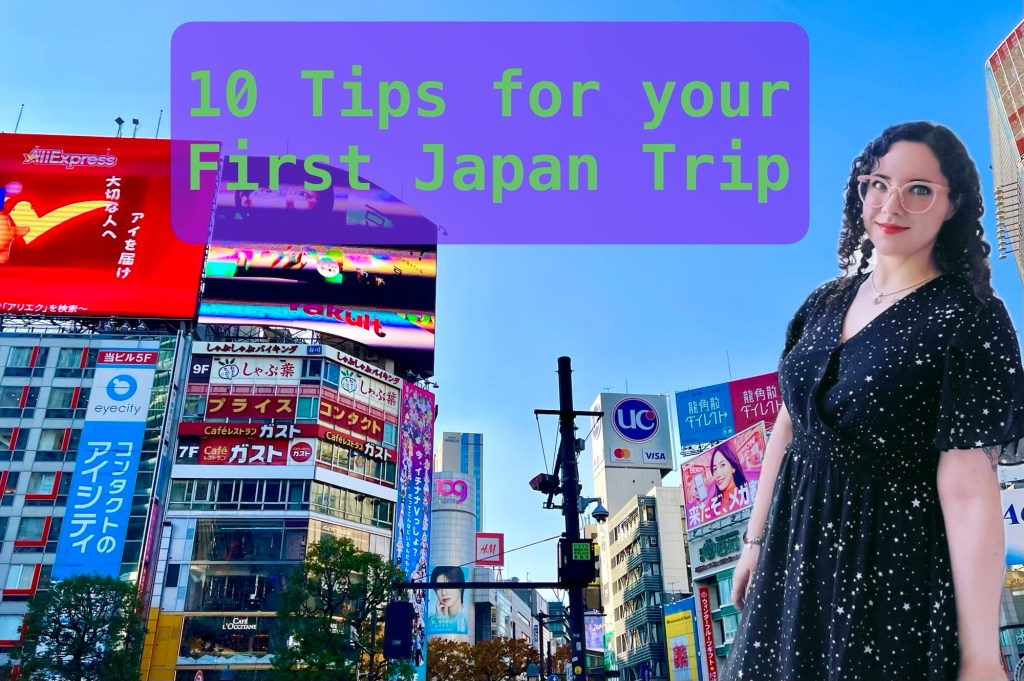
Planning my first trip to Japan was as exciting as it was overwhelming. There is so much to see and do, and it’s easy to worry about everything that could go wrong, or like you have to cram as much as you possibly can into a single itinerary.
After spending 18 days traveling through Tokyo, Kyoto, Osaka, Nagoya, and Nara, I came home with a few lessons that I wish I’d known before I left. If you’re planning your first visit to Japan, here are my biggest tips.
1. Plan A Rest Day If You’re Visiting For Two Weeks Or Longer
If you’re walking 20,000+ steps per day, navigating busy train stations, traveling between cities, and constantly taking in new sights, it catches up to you. Traveling and sight seeing is truly amazing, but it is also very exhausting.
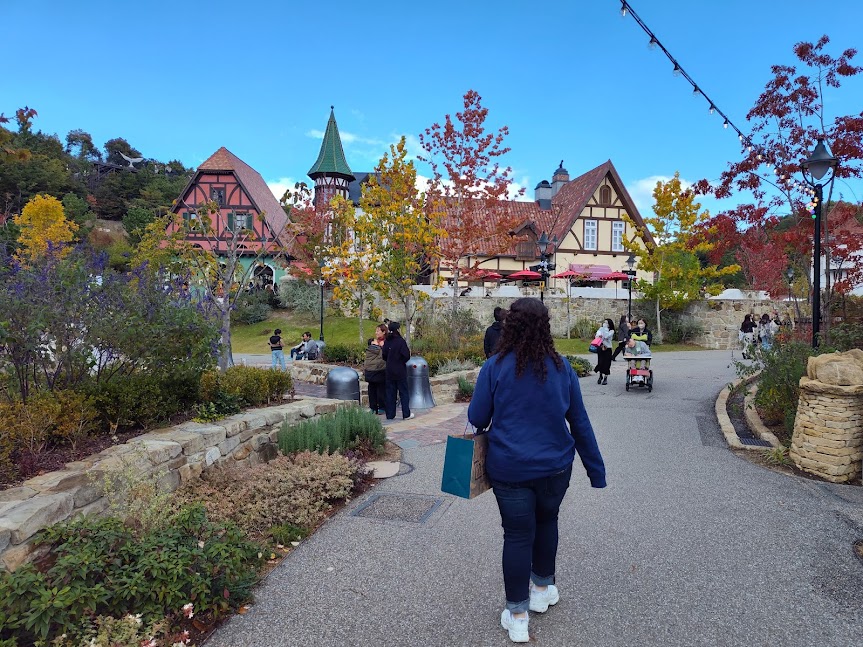
About halfway through our trip, I kind of hit a wall. For a couple days, I was extremely tired and burnt out. We didn’t plan a slower itinerary or a rest day around the middle of our trip; instead, we visited three theme parks almost back to back: Nagashima Spa Land in Nagoya, Ghibli Park in Nagoya, and Tokyo DisneySea. While I still had a great time, I felt like I wasn’t able to enjoy some of the attractions quite as much as I would have liked, particularly the large and sprawling Ghibli Park. At the end of our visit to Ghibli Park, it was time to walk over to the area of the park to see the Whisper of the Heart attractions, including a replica of the antique shop that is a focal point of the film. Whisper of the Heart is my favorite movie, and instead of being as excited as a little kid on Christmas Eve, I considered skipping the trek to that area! Thankfully, my husband talked some sense into me and we went. I am so glad because I had an amazing time exploring that antique shop. I even got a little emotional at times because Whisper of the Heart has meant a lot to me over the years!
Point being, the exhaustion of a packed itinerary is no joke! Plan a rest day or a couple of slow paced days in the middle of your itinerary so that you can recharge. Your body will thank you. It’s better to have one slow day, or one day with not much planned, than to spend 3 days not enjoying yourself to the fullest. Give yourself permission to slow down so you can enjoy the rest of your vacation.
2. Use Google Translate’s Camera Feature
Google translate was probably the most useful app on my phone during my trip to Japan, largely due to the camera feature.
The camera feature in Google Translate allows you to point your phone at menus, signs, museum information, product labels, and more. It will display the translation over the Japanese text. I used it constantly throughout our trip. It came especially in handy when I needed to purchase ibuprofen for a headache. The drug store I went to had hundreds upon hundreds of products, and, obviously, none of the labels were written in English. It was also quite useful while leafing through restaurant menus. Use the technology you have at your fingertips to make your trip as smooth and seamless as possible!
3. You Only Really Need To Know A Few Basic Japanese Phrases
Before our trip, I was worried that the language barrier would make traveling difficult. I even purchased a deck of flash cards containing a bunch of common Japanese words, phrases, and questions. I have also had several friends ask me how I was able to spend so long in Japan without knowing the language. This seems to be a common point of stress and worry among travelers, and I can see why!
In reality, learning just a handful of phrases went a long way. The ones I used the most often were:
-Hello (Konnichiwa)
-Thank you (Arigato gozaimasu)
-Excuse me (Sumimassen)
-Please (Onegaishimasu)
The most interactions you’ll have as a tourist are with cashiers, restaurant staff, hotel employees, and transportation workers. I rarely had to say much more than these few phrases. When I did, I spoke into Google Translate and showed whomever I was speaking to the Japanese translation on my phone screen. Everyone I spoke to was very patient and kind. Don’t let a language barrier keep you from visiting Japan!
4. Spend More Time In Fewer Places
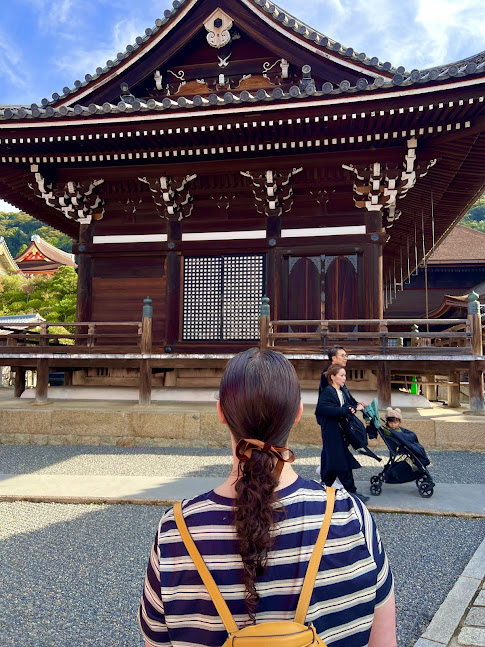
This is actually my husband Tim’s best piece of Japan travel advice.
While planning a trip to Japan, it’s tempting to try to squeeze in as many cities as possible. But instead of asking yourself, “How many cities can I visit?” ask, “How much can I experience?”
Tokyo is a perfect example. We spent 9 of our 18 days there, and we didn’t even scratch the surface. Tokyo is one of the biggest cities in the world, and you should treat each of its many neighborhoods as separate cities. There is so much to see in Tokyo that you could live there for YEARS and still have so much to see and experience. You don’t have to take every possible day trip from Tokyo just to check more cities off your list. If you take this approach, you will spend a sizable portion of your vacation on a train or bus! Cut some of the day trips, and explore some of Tokyo’s many, many neighborhoods. We visited Shibuya, Shinjuku, Toyousu, Shiodome, Ikebukuro, Akihabara, Odaiba, Ginza, and more. Each neighborhood has its own personality and could easily fill a whole day.
Quality beats quantity every time. On your first trip to Japan, make sure you don’t neglect one of the most impressive and awe inspiring cities in the world. Take your time in Tokyo.
5. Let Google Maps Handle Public Transportation
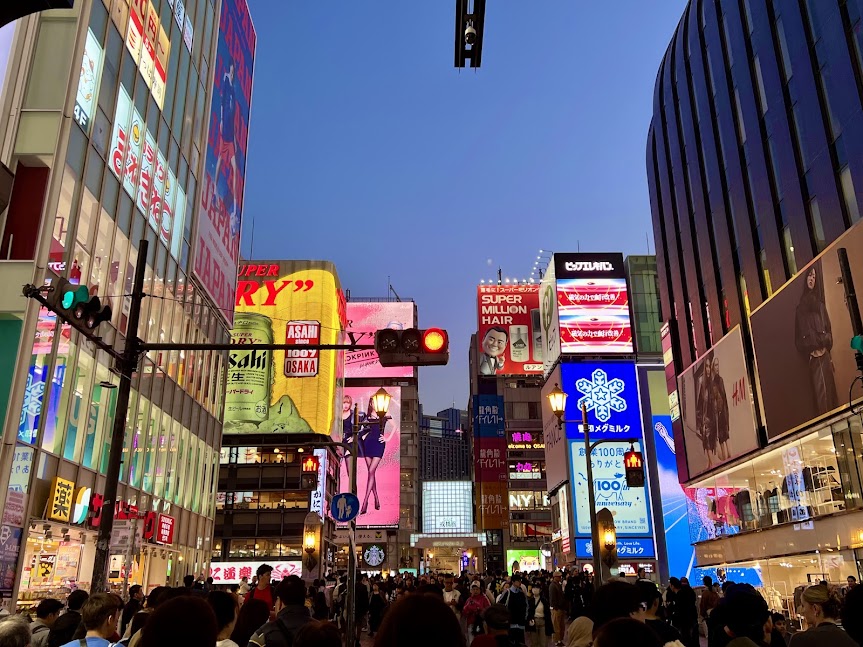
Japan’s train system has a reputation for being intimidating, but Google Maps made it surprisingly manageable.
The app doesn’t just tell you which train to take. It tells you which platform to go to, when the train leaves, where to transfer, and how long each part of your journey will take. We relied on it every single day!
If you have Google Maps and a reliable data plan, navigating Japan becomes a lot less complicated than many first-timers expect. We did make an error or two in our travels, but we were able to course correct fairly easily and without losing too much time. I can’t imagine taking the trip we did without it.
6. Star Places On Google Maps Before You Go
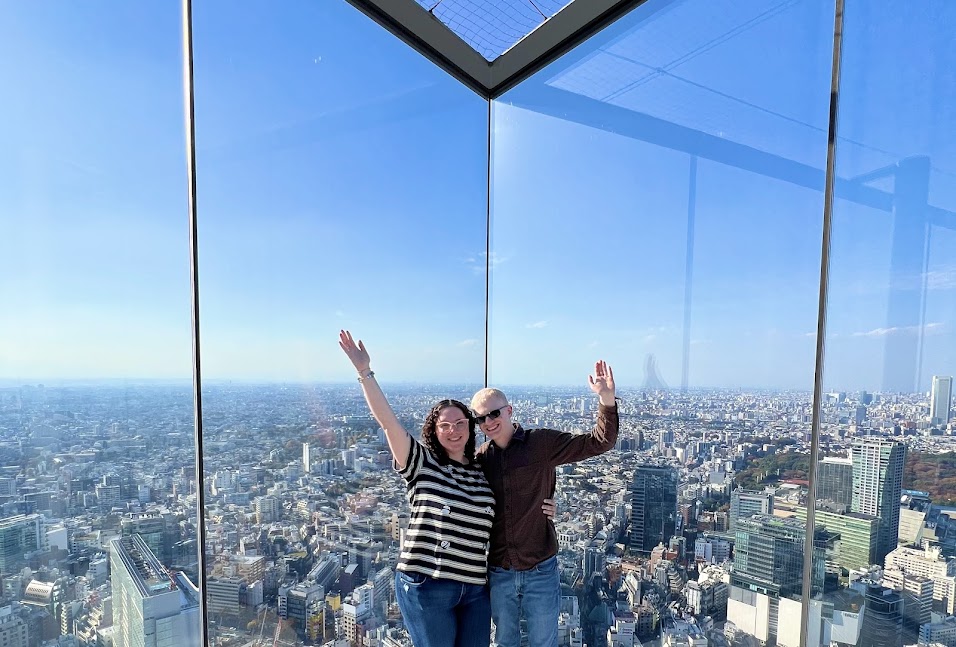
This is another tip I learned from Tim, and it completely changed how we explored.
Before the trip, we starred attractions, shops, restaurants, and other areas of interest to us. That way, whenever we found ourselves with extra time, we could simply open Google Maps and see what was close by!
Some of our favorite discoveries happened because of this approach. Instead of strictly following a rigid itinerary or, conversely, wandering around aimlessly, we were able to wander while knowing there was always something interesting nearby.
7. Make Time For Your Own Interests
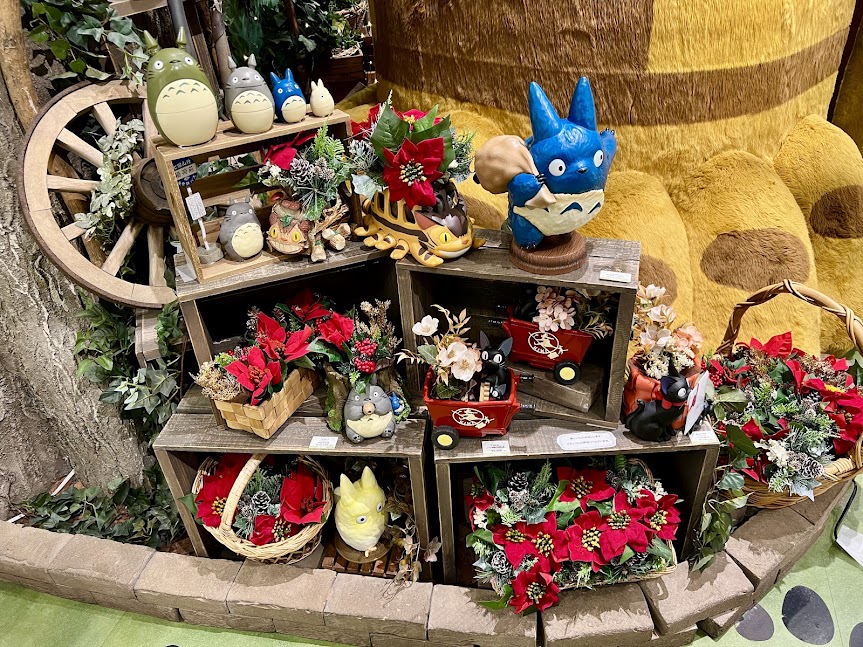
Your itinerary doesn’t have to look like everyone else’s! Tokyo is enormous, and there is truly something for almost every hobby imaginable.
As a huge K-pop fan, I loved exploring Shin-Okubo, Tokyo’s Koreatown. I browsed K-pop stores and hunted for albums, photocards, and niche merchandise. (Read more about my K-pop adventures in Japan here!) I also stumbled across stores dedicated to everything from ball-jointed dolls to Lolita fashion to tabletop miniature painting. I visited themed cafes, Ghibli stores, and niche museums. Some of my favorite memories came from the things I did that wouldn’t be on a typical “Top 10 Things to do in Tokyo” list. I recommend opening Google and seeing what’s out there for your hobby or interest!
8. Leave (Or Make) Room For Souvenirs
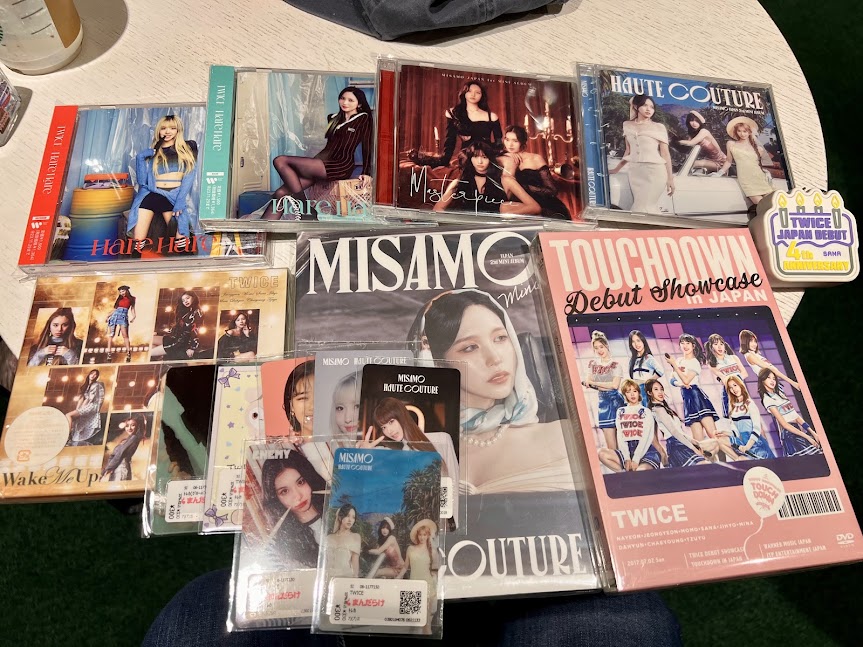
If this is your first trip to Japan, there’s a good chance you’ll come home with a lot more souvenirs than you anticipated.
Many people visiting Japan purchase stationery, anime merch, snacks, clothing, beauty products, kitchen items, and more. In my case, I bought souvenirs for just about every city, attraction, and Tokyo neighborhood that I went to. I also bought gifts for friends and family, as well as a comically large amount of K-pop merchandise! I knew I had run out of luggage space less than a week into the trip.
An easy solution for me was to buy a huge duffel bag to check on the flight home. I stuffed it full of all of my souvenirs and other purchases. Stores like Don Quijote make this easy. I was relieved to have the extra room when it was time to pack!
9. Bring A Portable Phone Charger
Your phone will be working harder while you’re in Japan than when you’re at home. You’ll be using data and GPS throughout the day, translating signs and menus, taking hundreds of photos, filming videos, looking up train routes, and more.
A portable power bank will give you peace of mind and will mean that you never have to worry about your battery running out halfway through the day.
10. Take More Photos Than You Think You Need, And Then Take Even More Photos
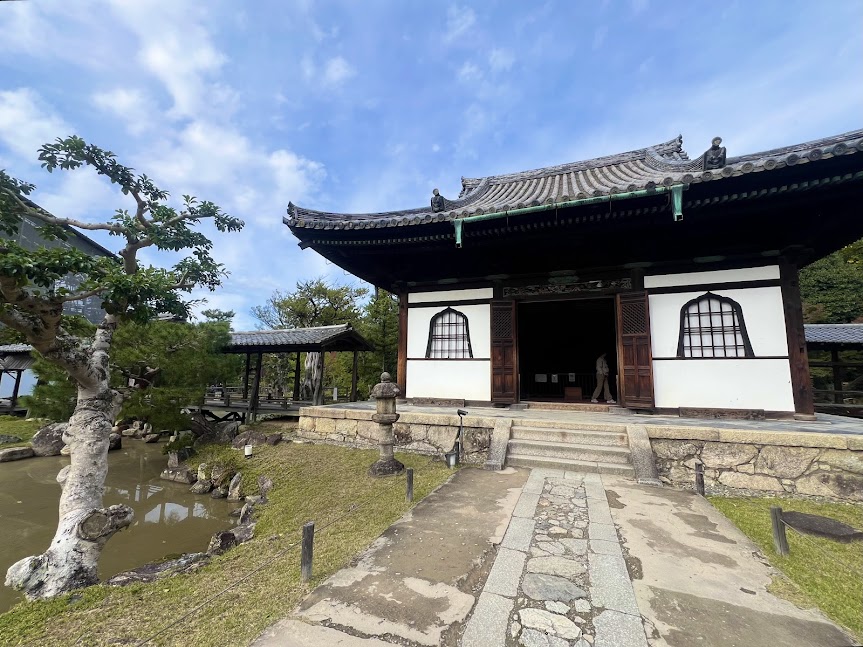
This may sound obvious to some, but it needs to be said. Some people don’t think to take a lot of pictures, or are just not inclined to, but it is so important to thoroughly document your trip. I took over a thousand photos and I regret nothing.
Take photos of the major attractions, but also take photos of your meals, the view from your hotel window, a funny souvenir, a cute looking cafe you happen to walk by. Just take the damn photo. These smaller moments can be just as meaningful as the famous landmarks.
When I got home, I chose a couple hundred of my favorite picture and had them made into a photo book that I can look back on forever. I framed a few and have them displayed in the living room. Years from now, you’ll be grateful that you took the extra picture. Looking back through them might bring back memories that you would otherwise have forgotten!
Final Thoughts
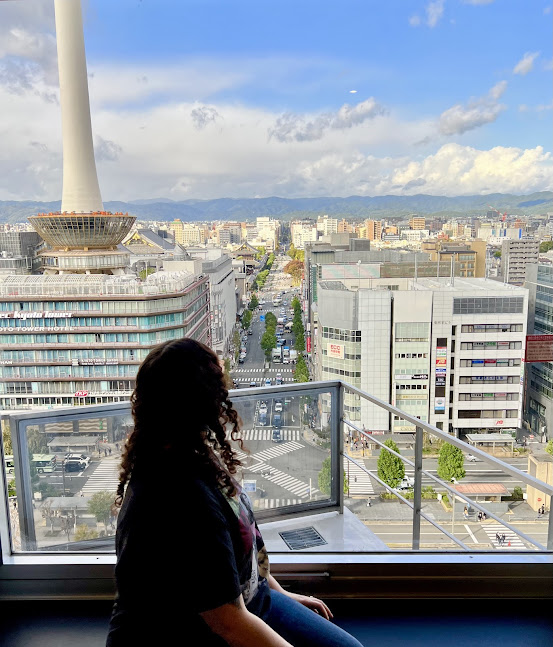
Japan was everything I had hoped it would be and more.
If I had to sum up my one biggest piece of advice, it would be: don’t try to see everything. Explore neighborhoods instead of racing between cities. Follow your own interests. Make sure to leave some wiggle room and flexibility for unexpected discoveries.
I hope you find these tips helpful as you prepare for your own trip to Japan. It’s really not as intimidating as you may be thinking. Don’t forget to look up from your itinerary once in a while!


Leave a Reply