Tag: tokyo

  • My Day in Shinjuku: Cinnamoroll, Shrines, K-pop, & City Vibes

    My Day in Shinjuku: Cinnamoroll, Shrines, K-pop, & City Vibes

    By day 16 of our honeymoon in Japan, you might think the novelty of Tokyo would have started to wear off, but it hadn’t. Not even close! This ended up being one of the days of our trip that perfectly combined so many of the things that I love about Japan: ridiculously cute food, shrines tucked into the middle of the city, K-pop and Korean culture, street food, shopping, and wandering around Tokyo after dark to take in all the big city vibes and night life happening all around me.

    Starting the Day at the Cinnamoroll Café
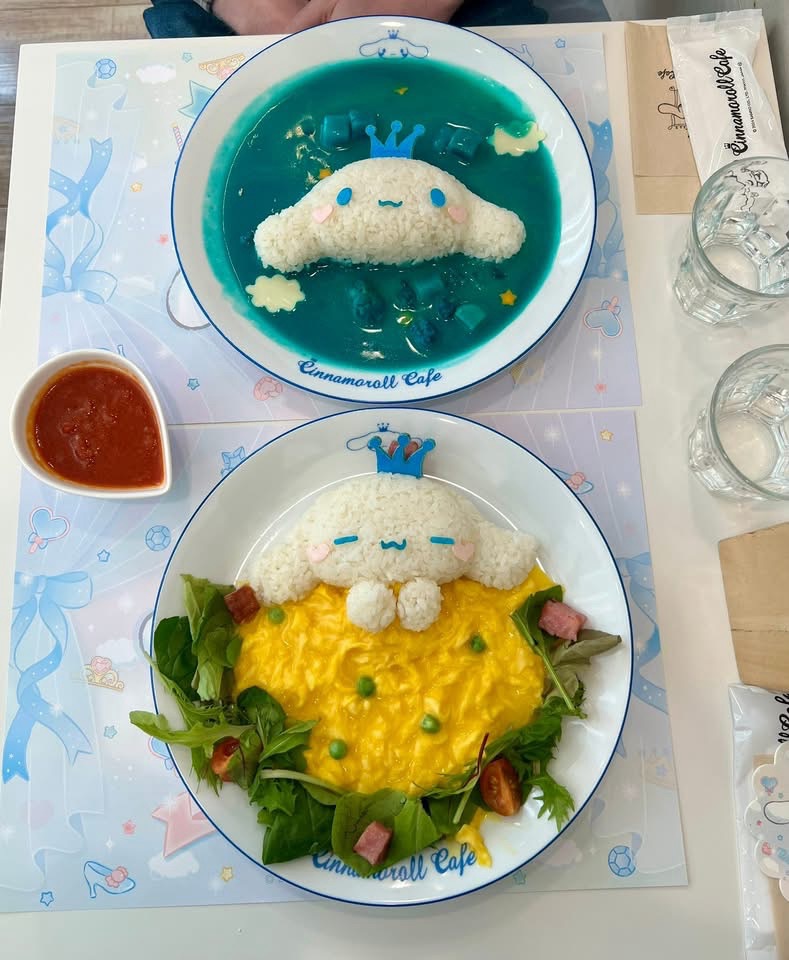
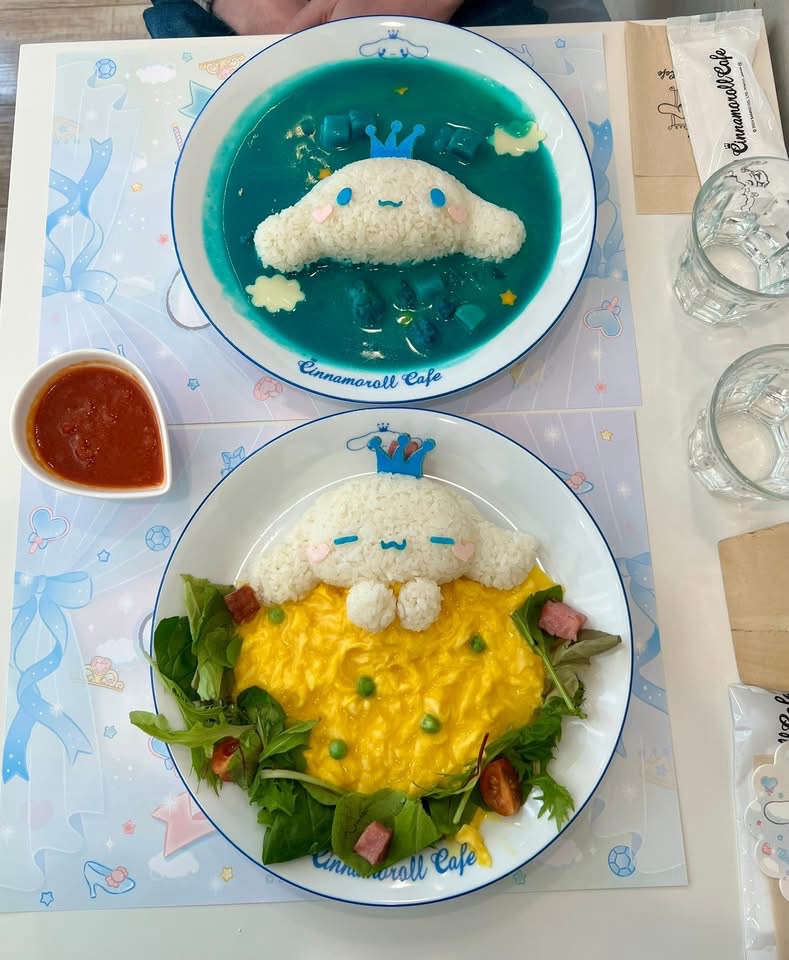
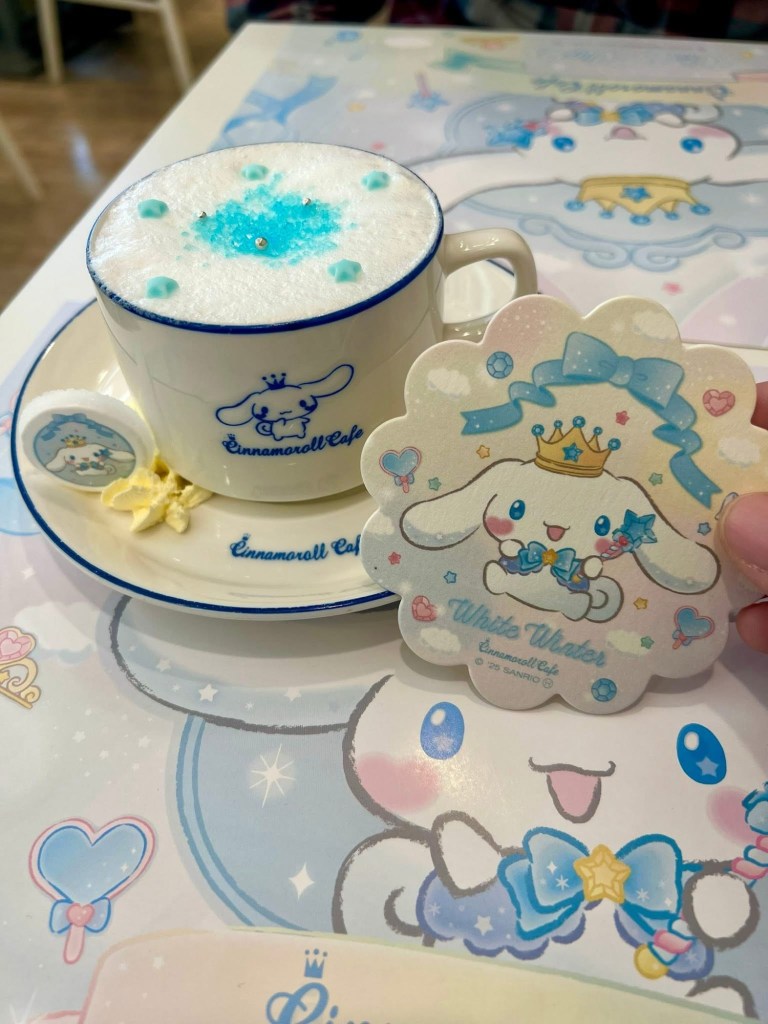
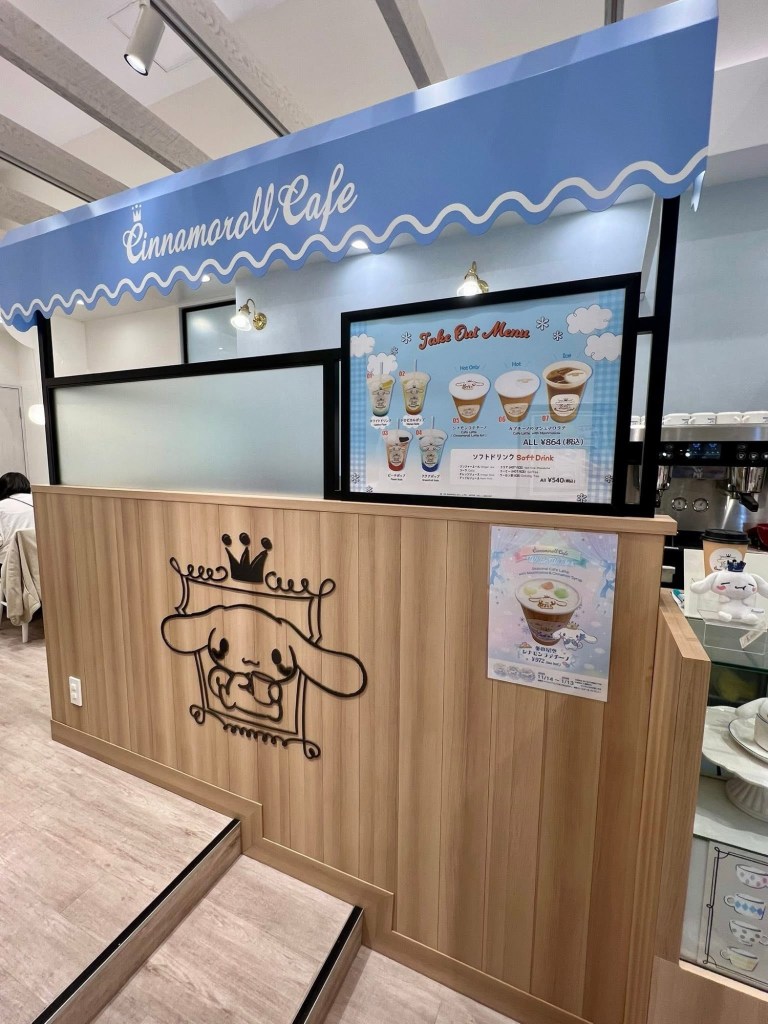
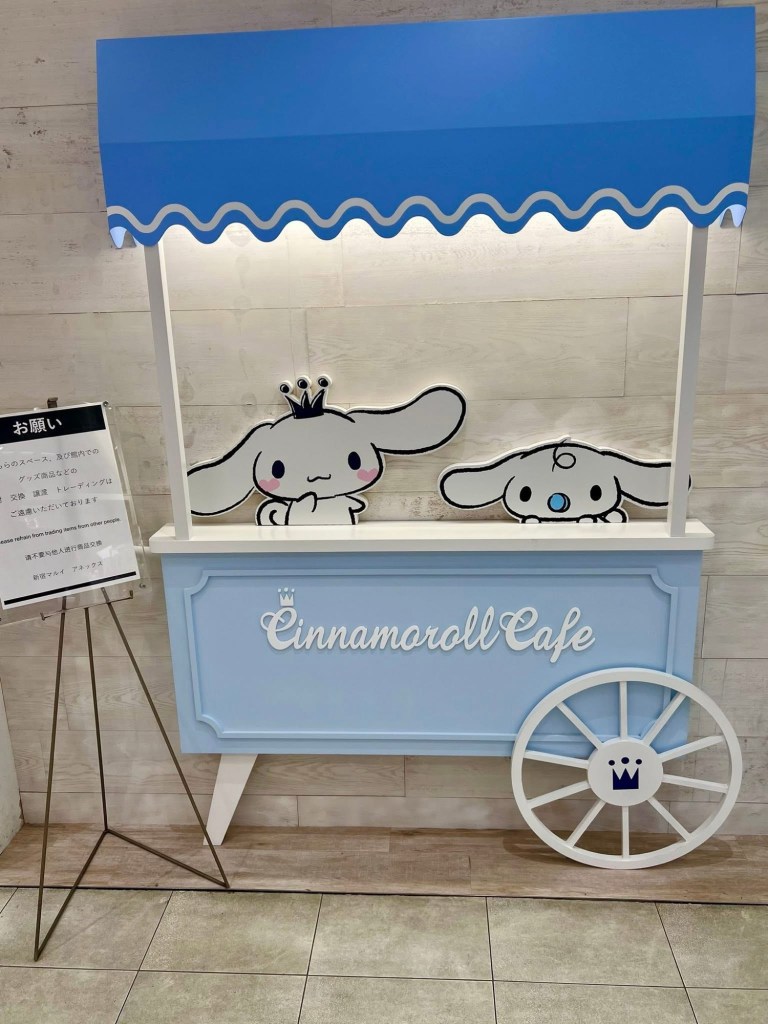
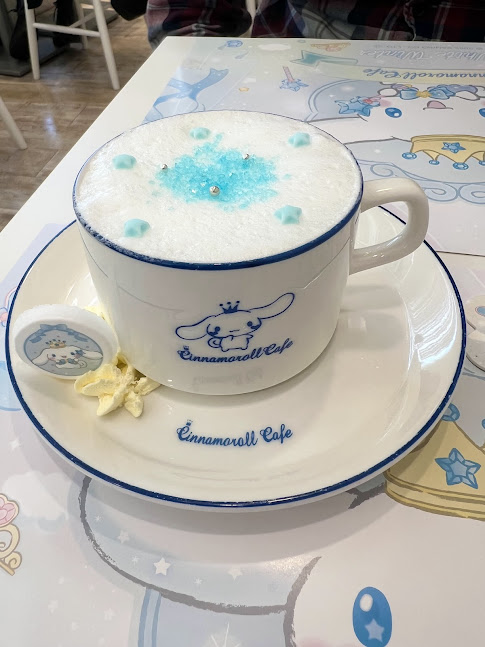
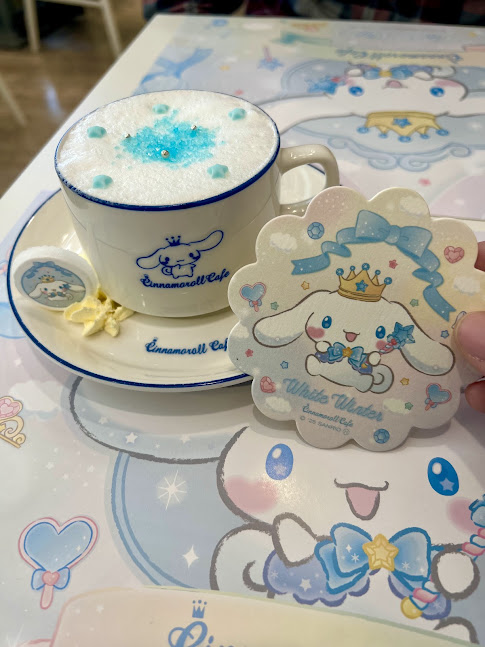
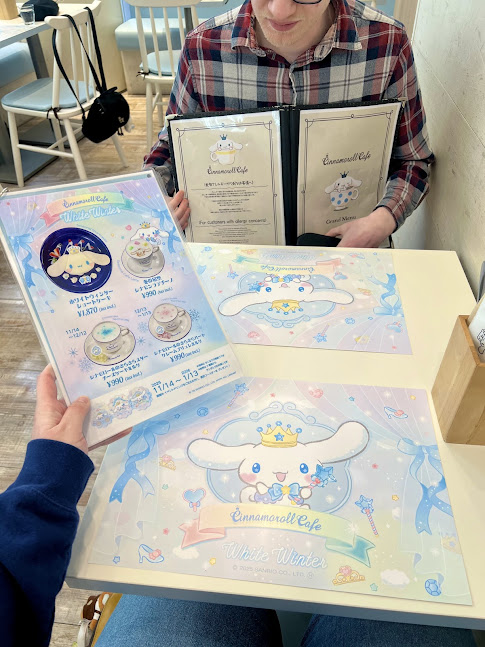
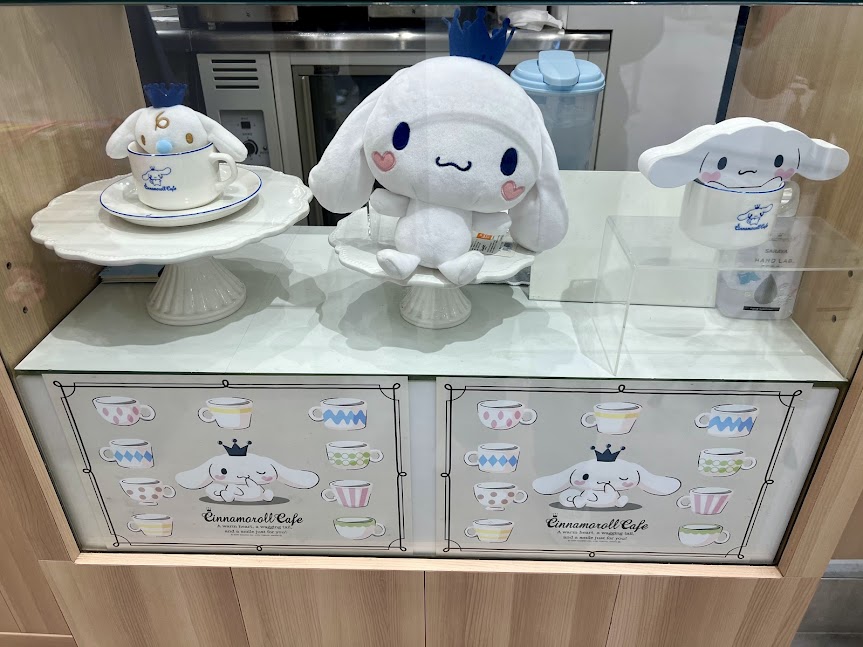
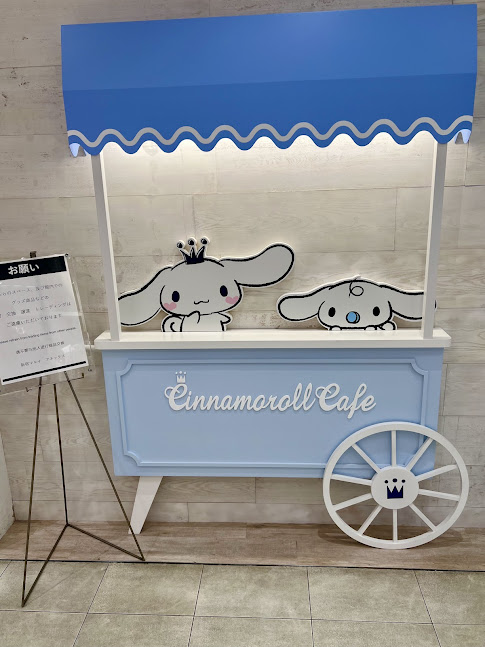
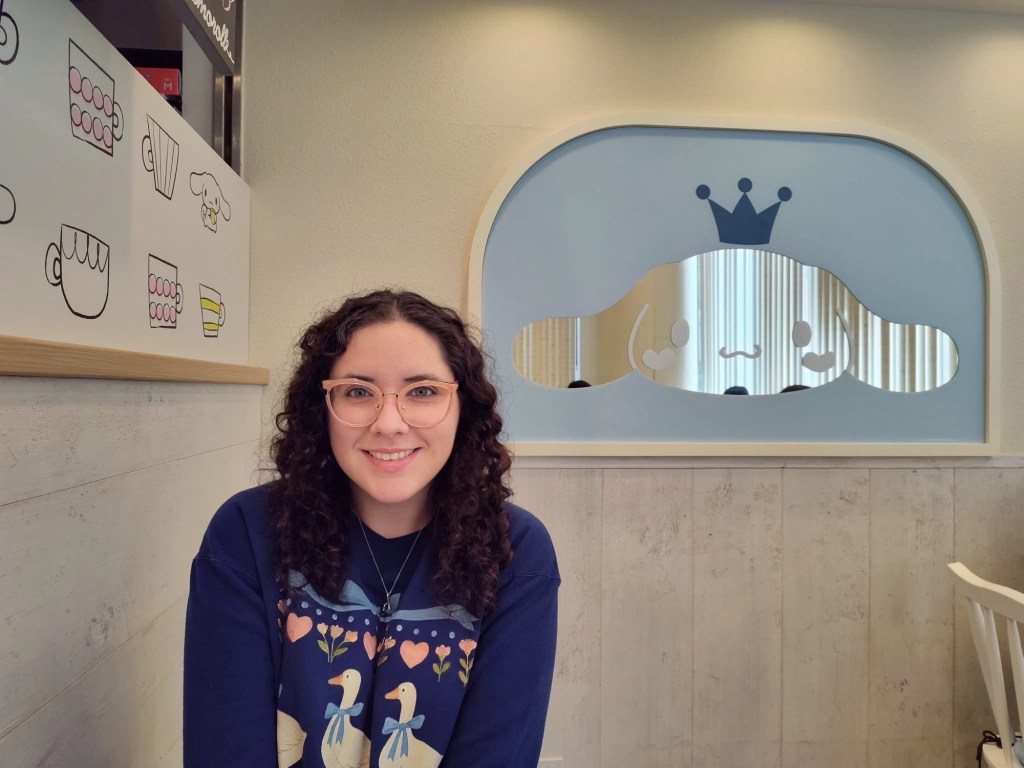
    We started the day with an early lunch at the Cinnamoroll Cafe, which had been high on my list ever since we discovered it while planning our trip. I’m a huge fan of Sanrio and themed cafés in general, so naturally, eating food shaped like Cinnamoroll was something I absolutely needed to do while in Tokyo. And the café definitely delivered on the cute factor!

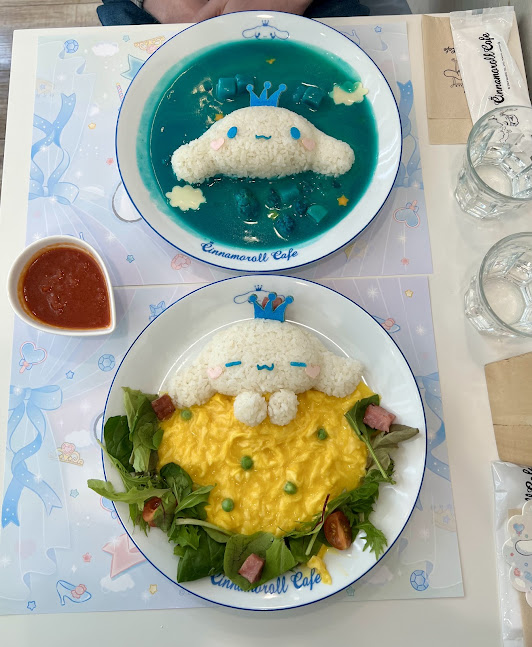
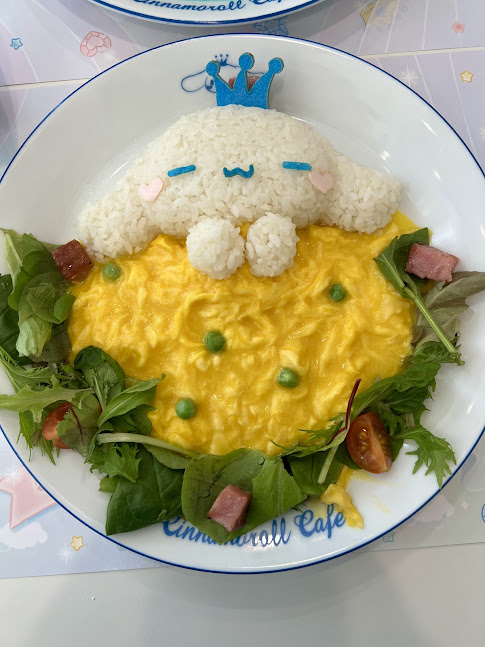
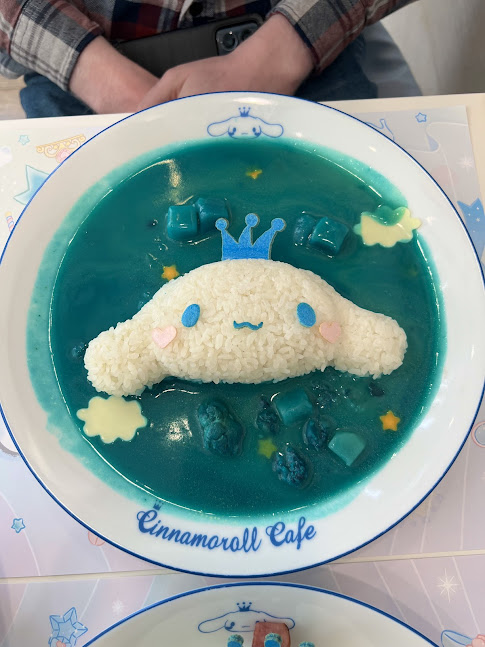
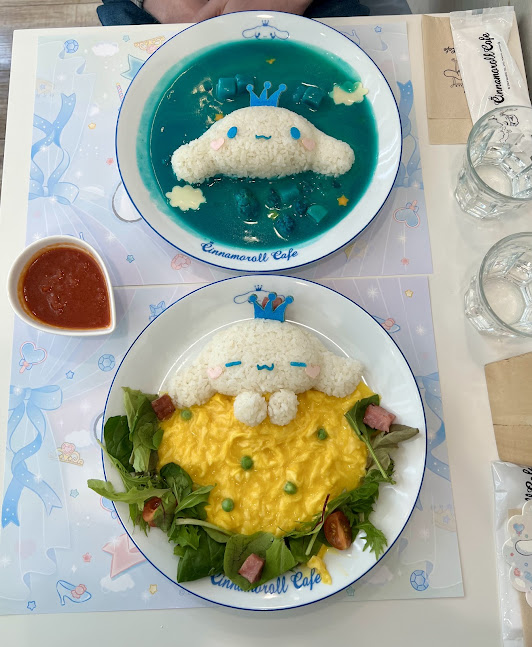
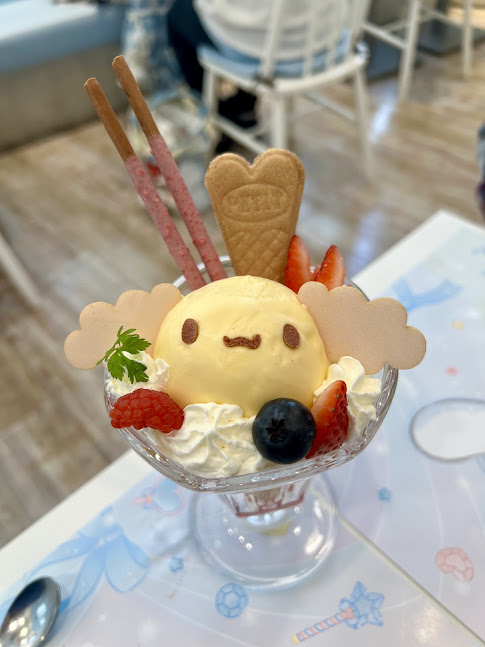
    Tim ordered Japanese-style curry and rice, and I went with the omelette rice, both complete with an adorable little Cinnamoroll made out of rice. We also ordered a Cinnamoroll dessert afterward, because obviously.

    The food was good and I’m very glad we came here. I even picked up some souvenirs in the gift shop on our way out! Including a pin featuring artwork of the omelette rice I ate.

    If you plan to come here on your trip to Japan, I recommend lining up 20-30 minutes before it opens! They don’t take reservations, and it gets very busy! There is also a location in Osaka.

    A Sunday Flea Market at Hanazono Shrine

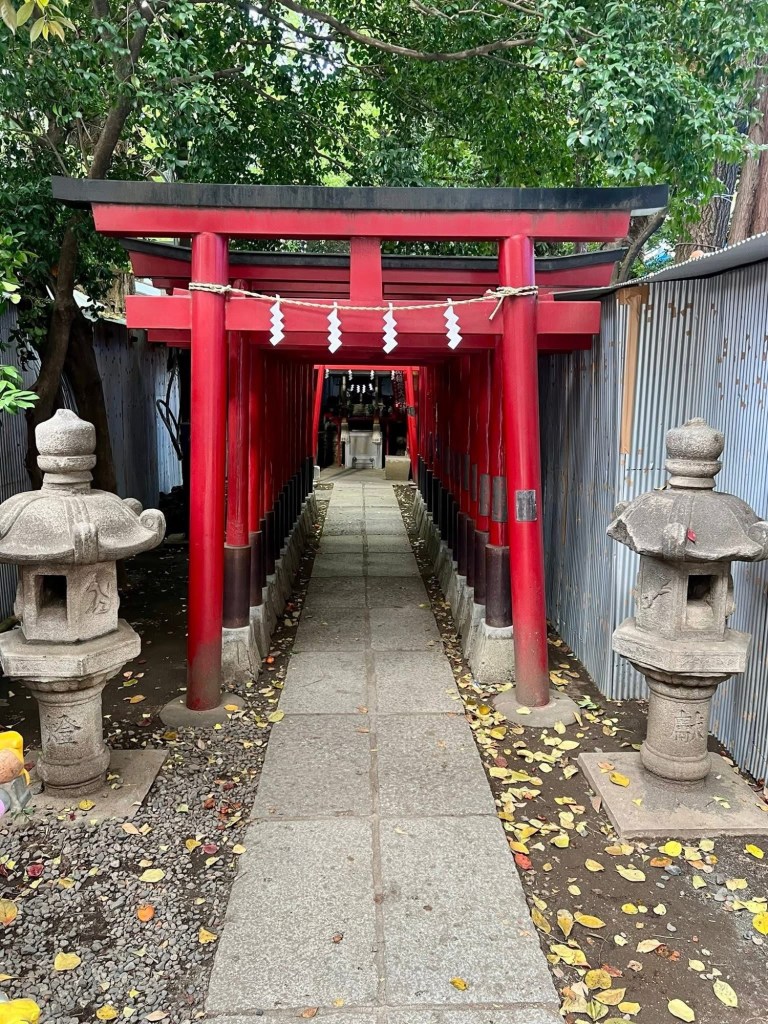
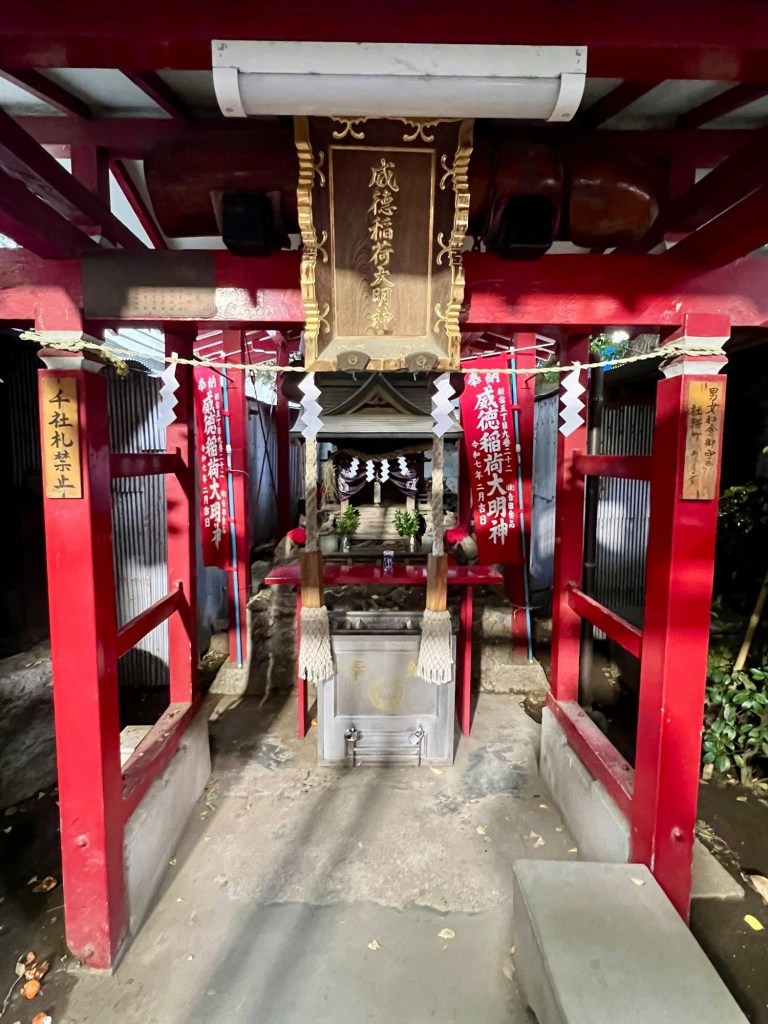
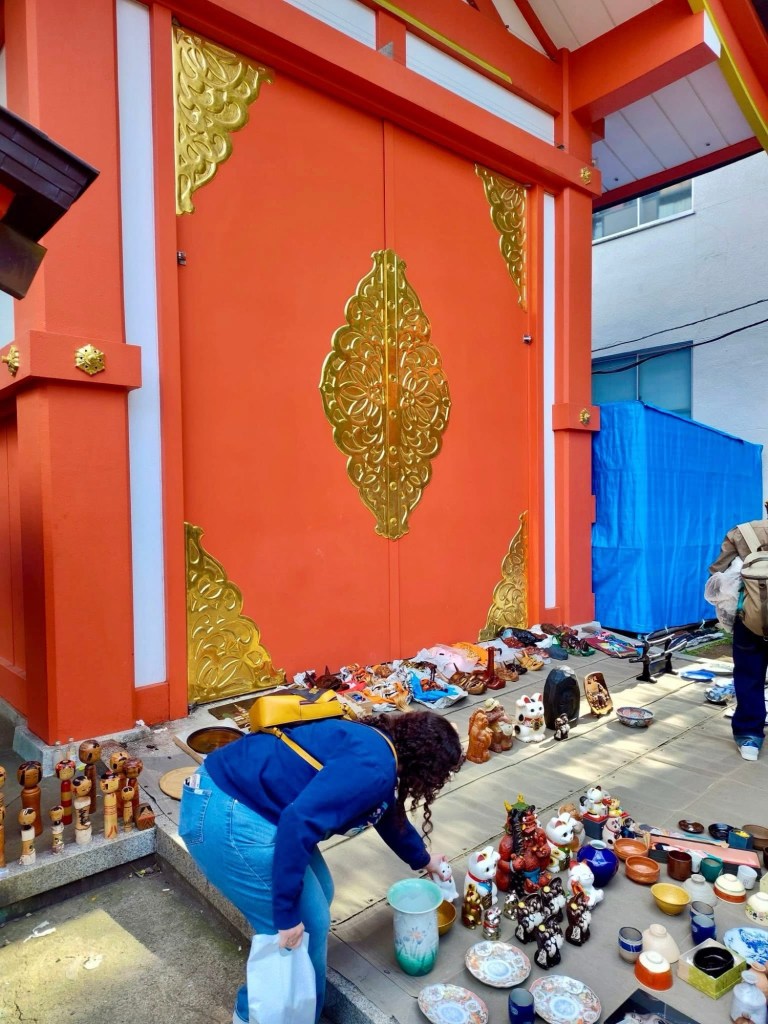
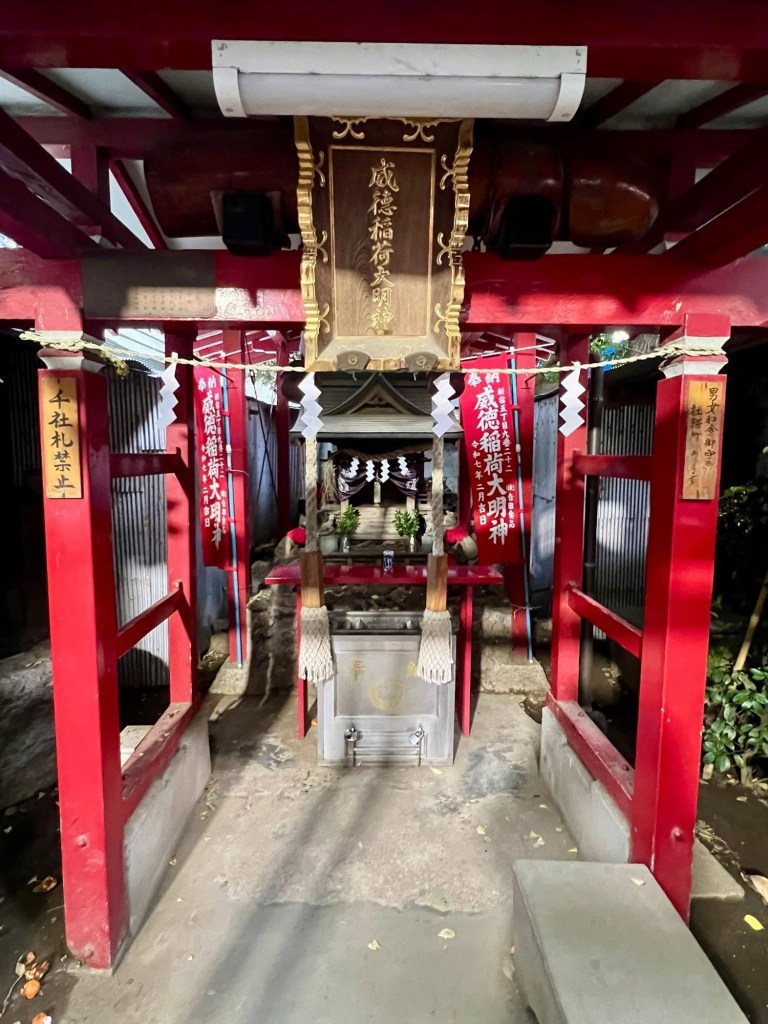
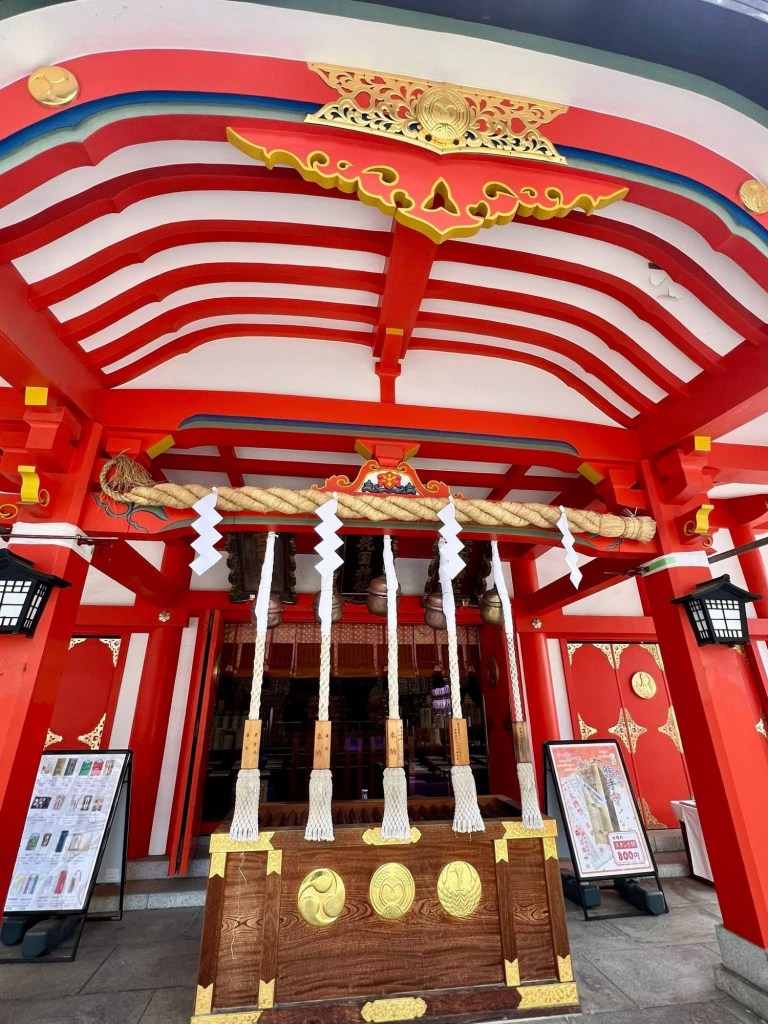
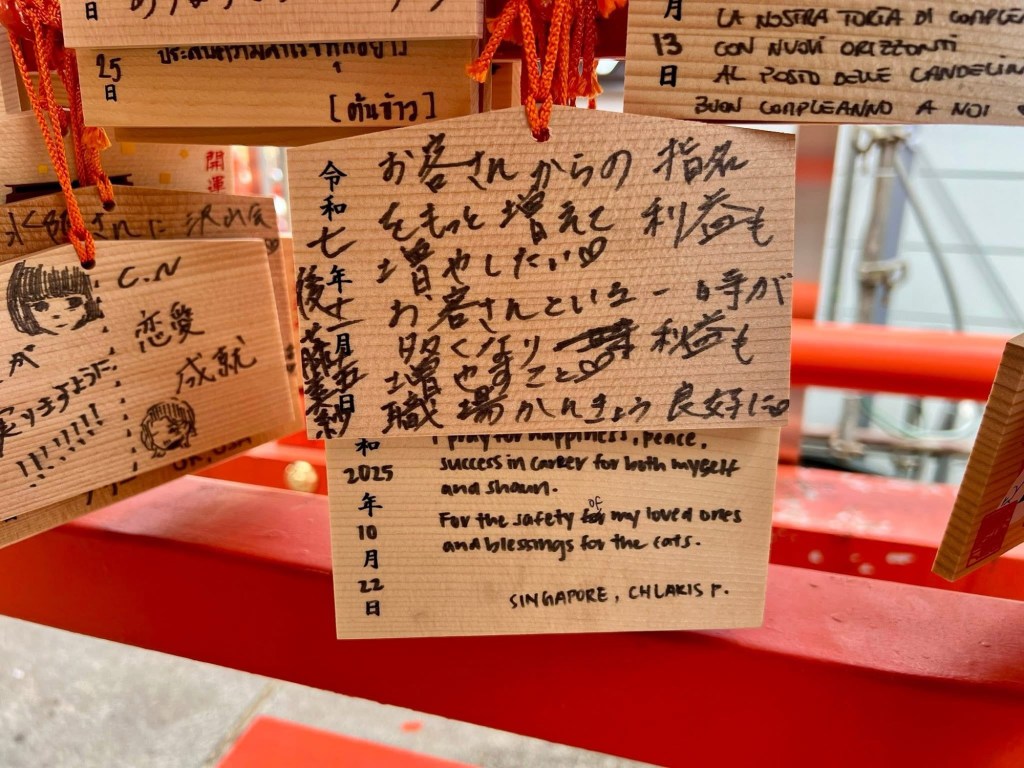
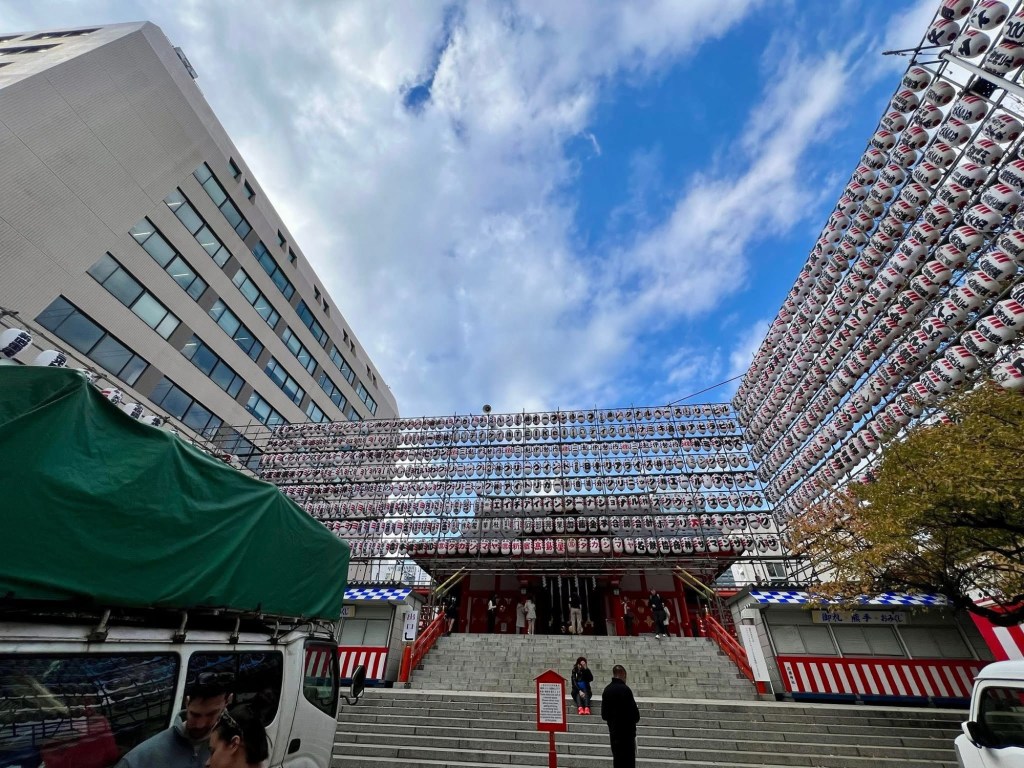
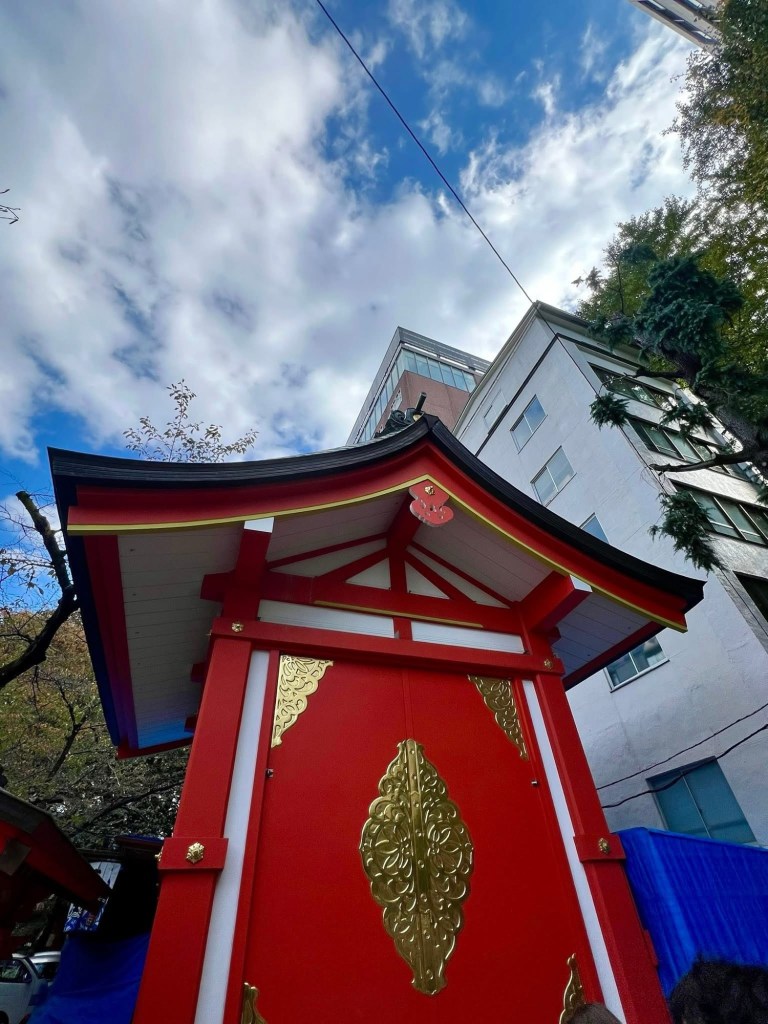
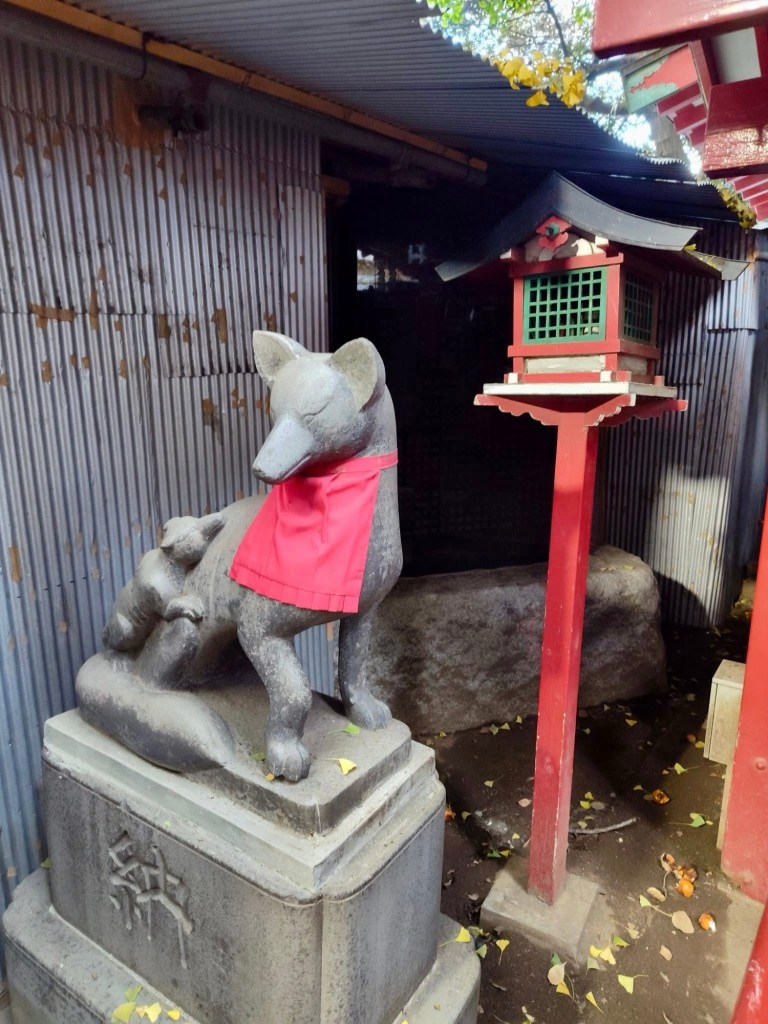
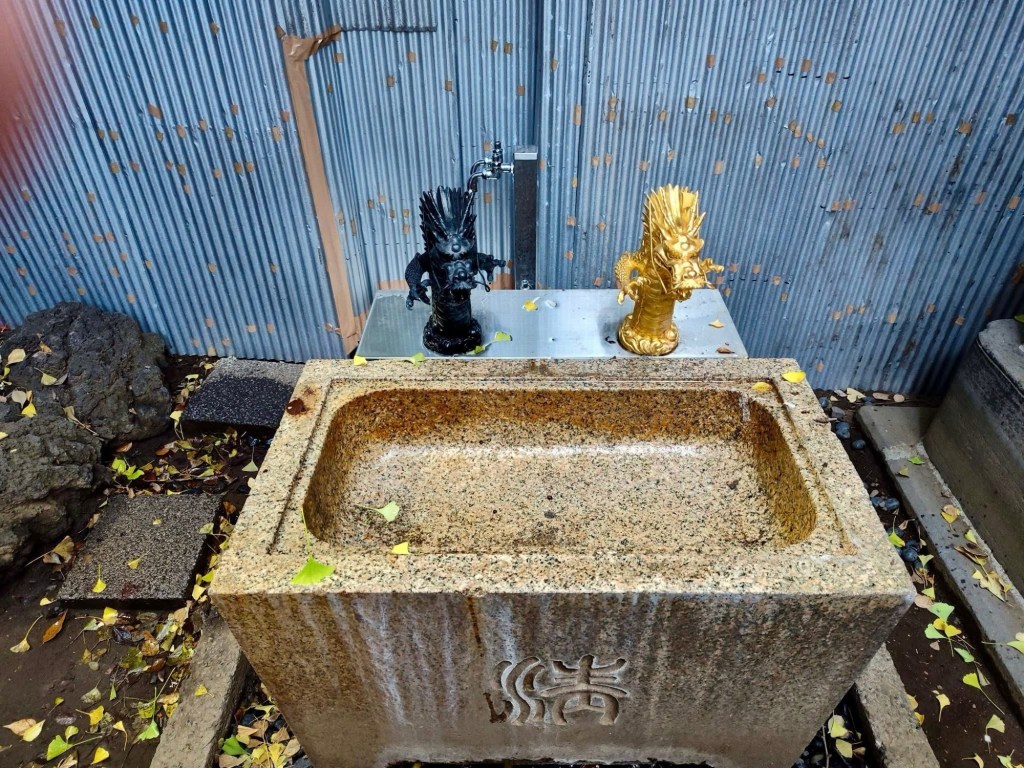
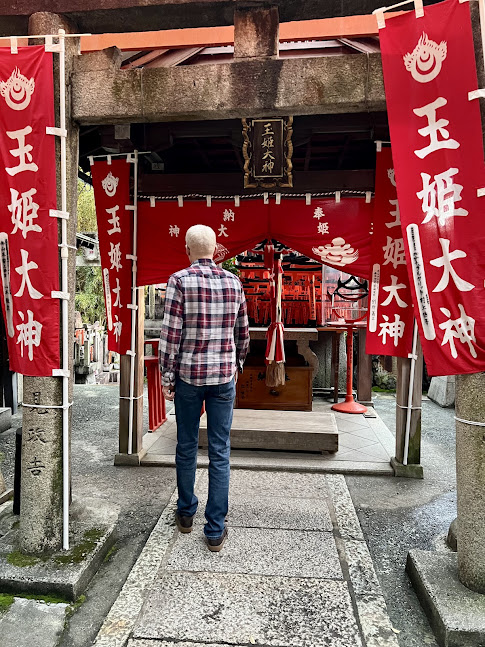
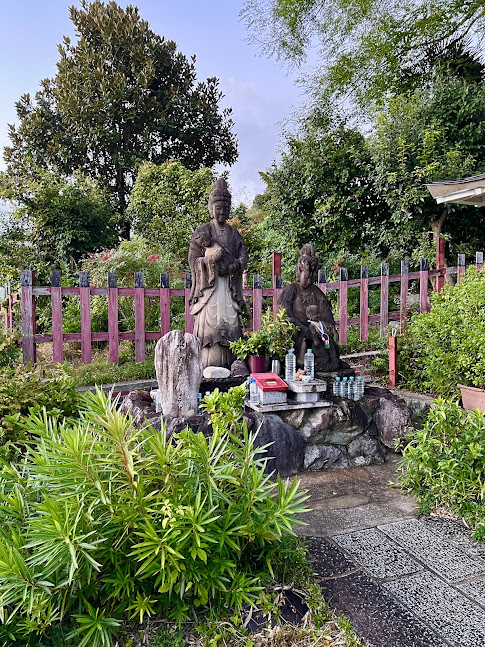
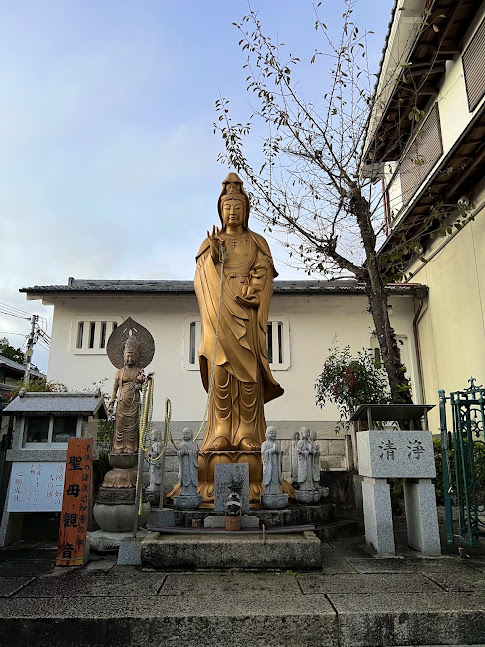
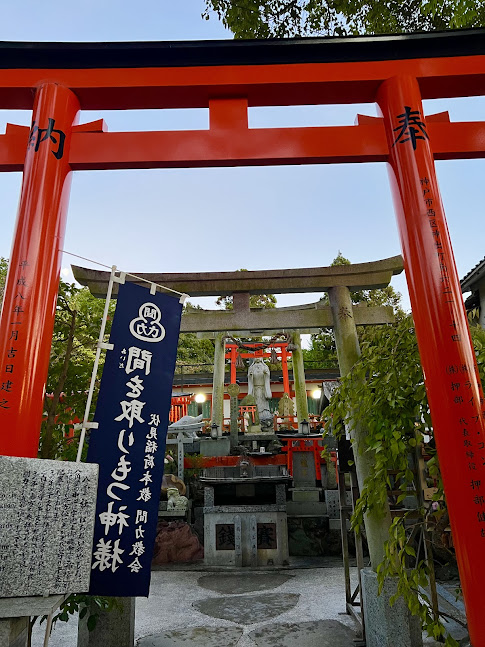
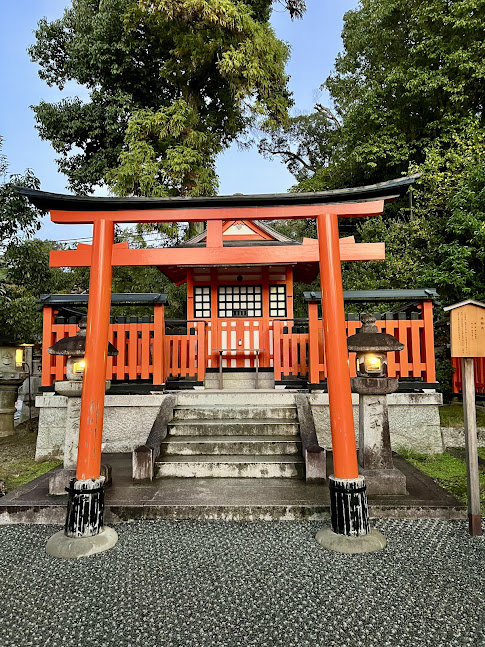
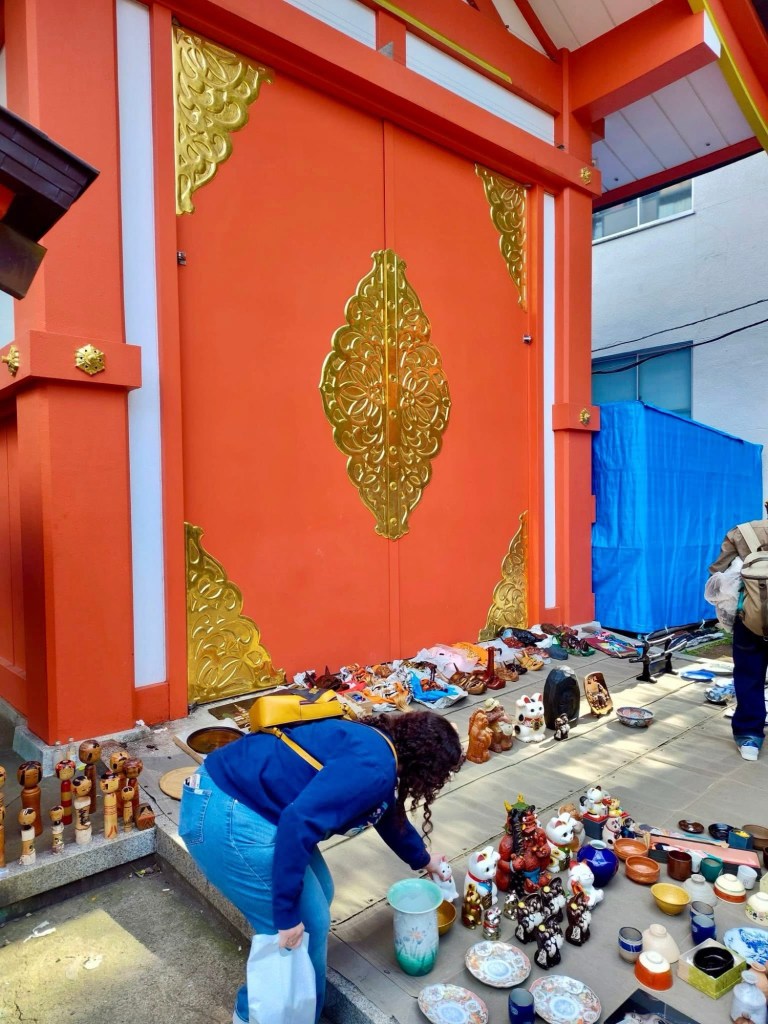
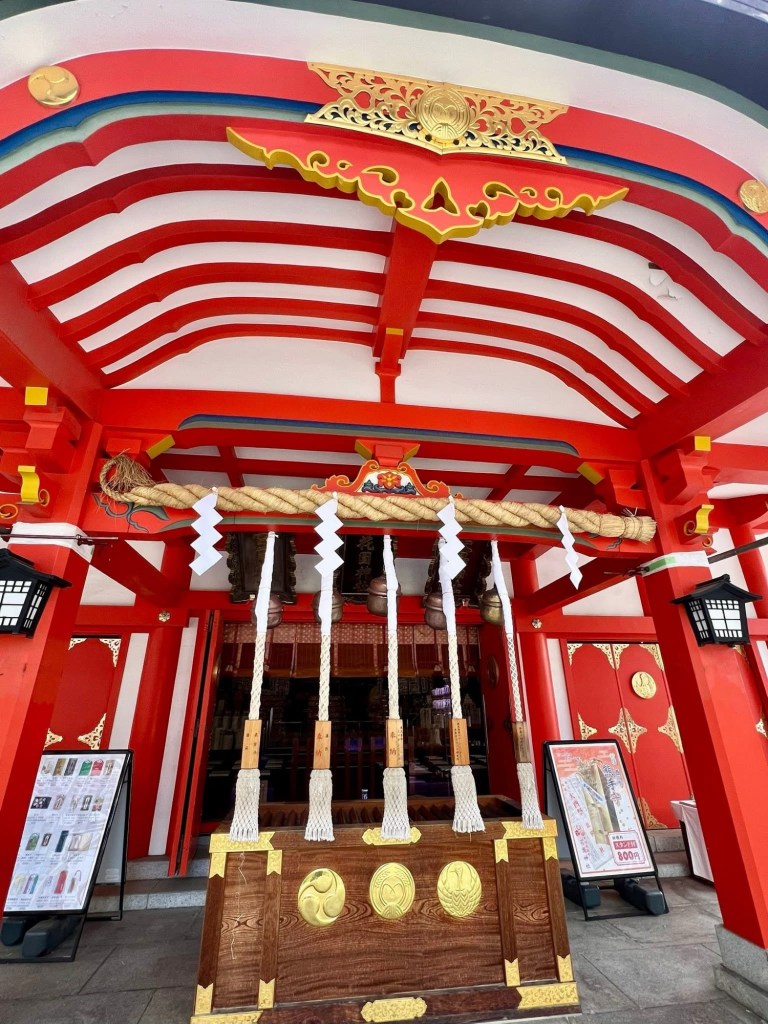
    After lunch, we headed to Hanazono Shrine. And, since we happened to visit on a Sunday, we were lucky and got to shop around at the flea market that is held on the shrine grounds once per week.
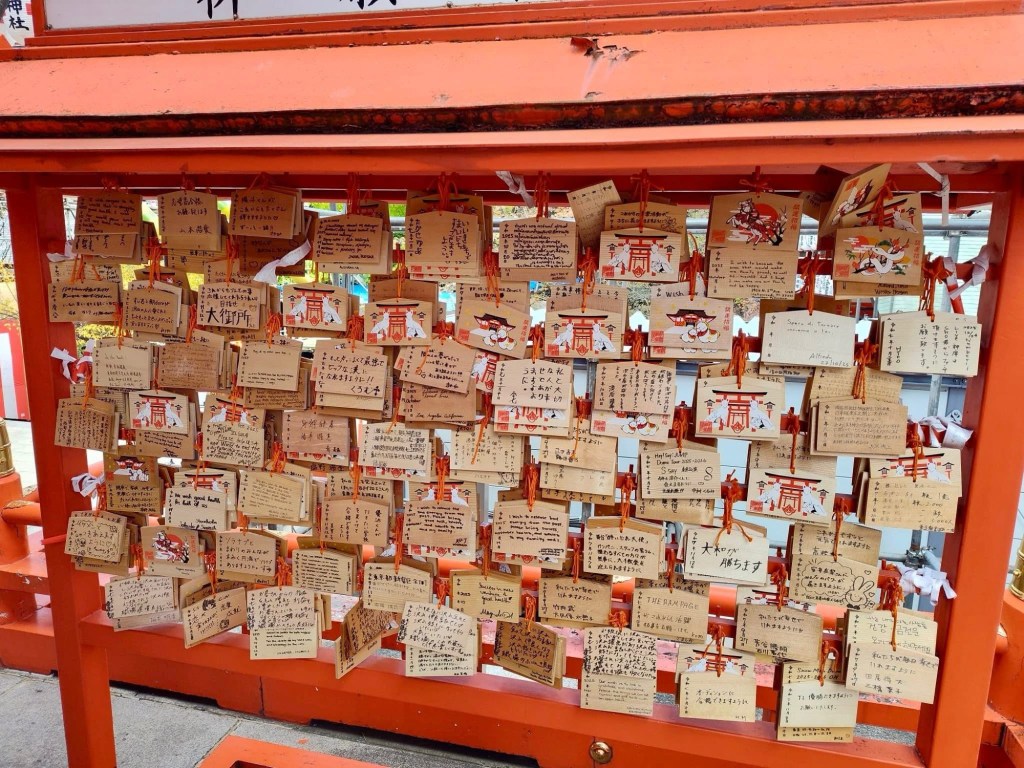
    The flea market had all sorts of things to look through, including ceramics, figurines and other little vintage objects. I got a couple of vintage looking lucky cats to gift to friends as well as a cute fox figurine. But even without the market, Hanazono Shrine would have been worth visiting. I loved how peaceful and traditional it felt despite being right in the middle of one of Tokyo’s busiest neighborhoods.
    K-Pop Heaven in Shin-Okubo
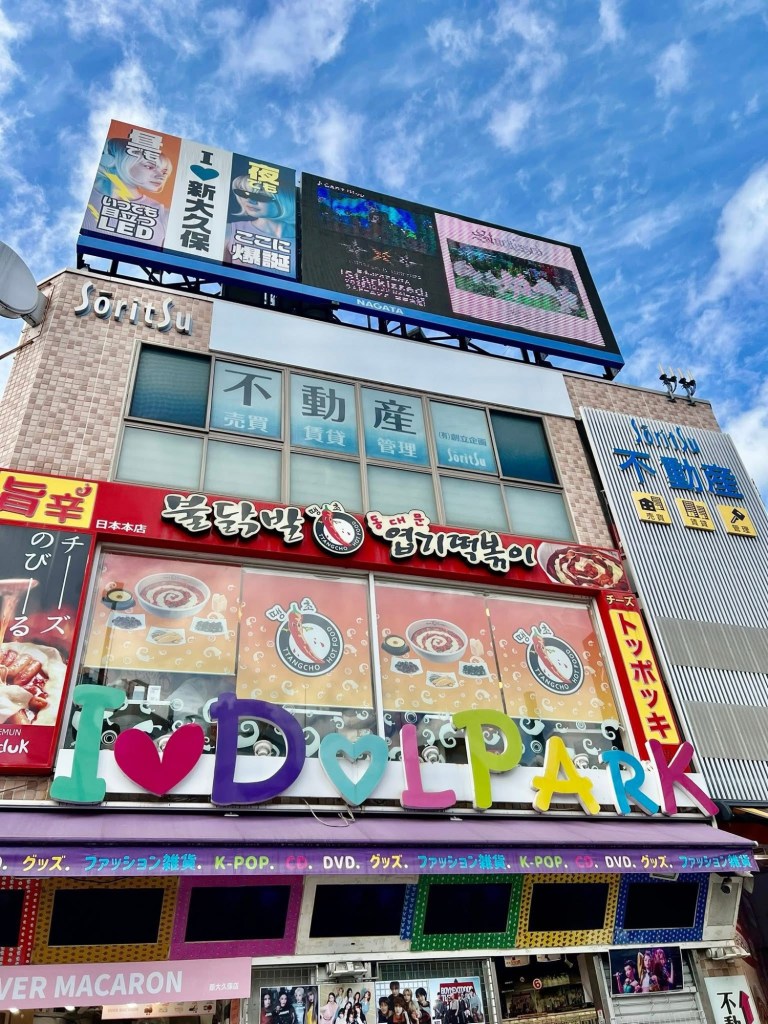
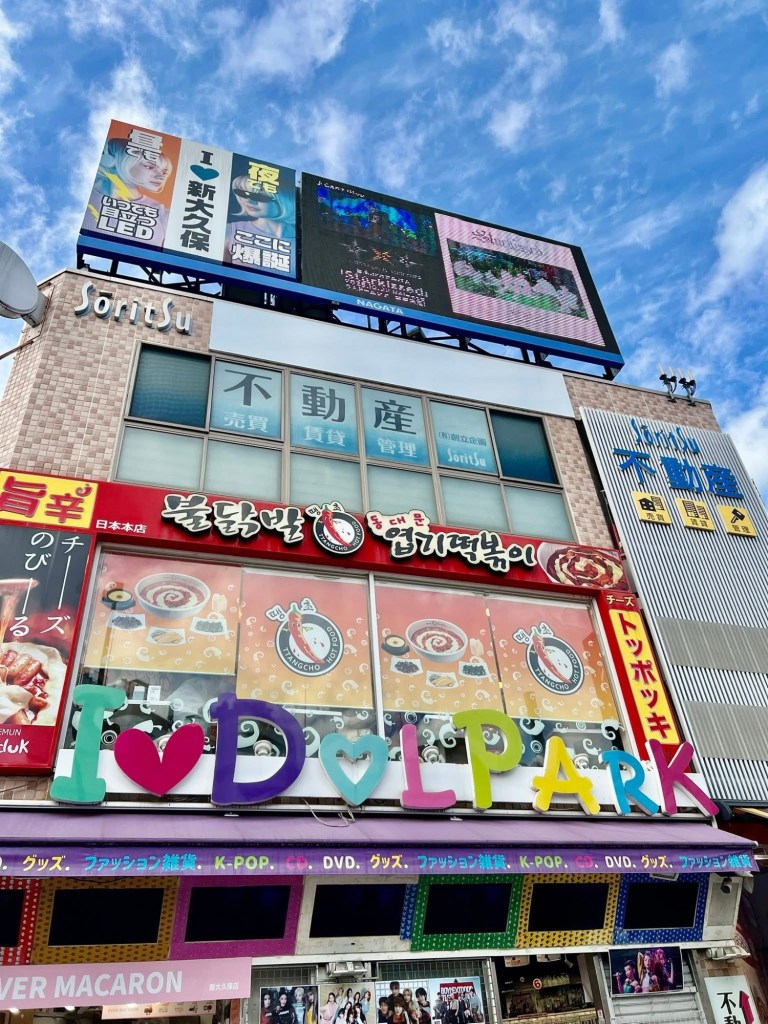
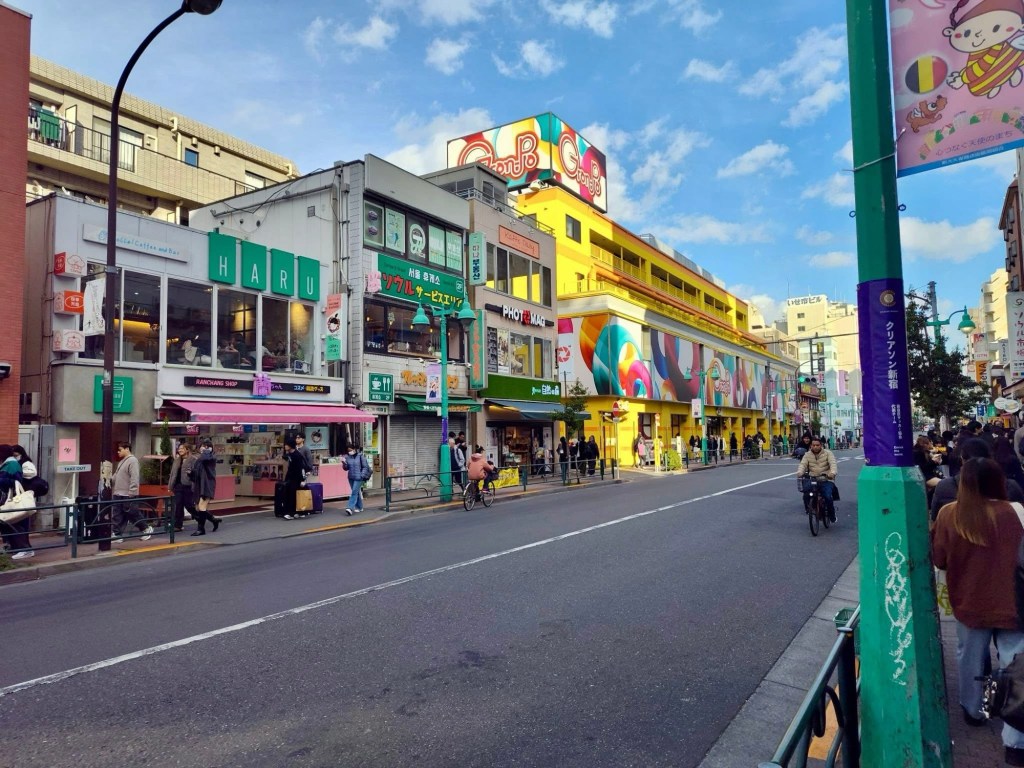
    Next, it was time for somewhere I’d been particularly excited to explore: Shin-Okubo, Tokyo’s Koreatown.

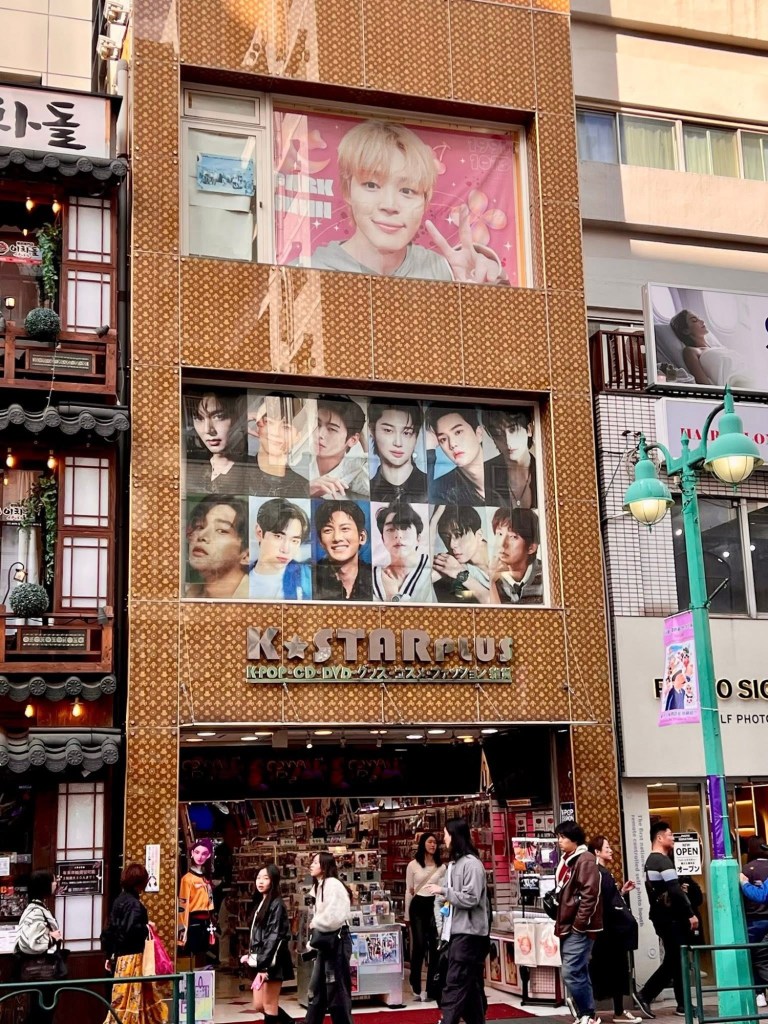
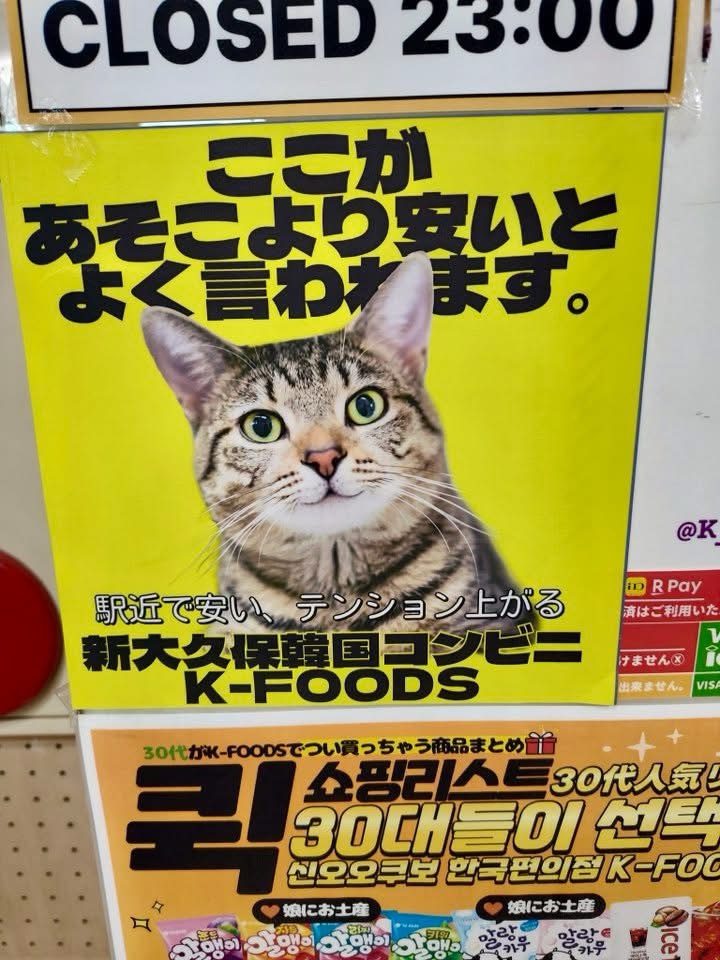
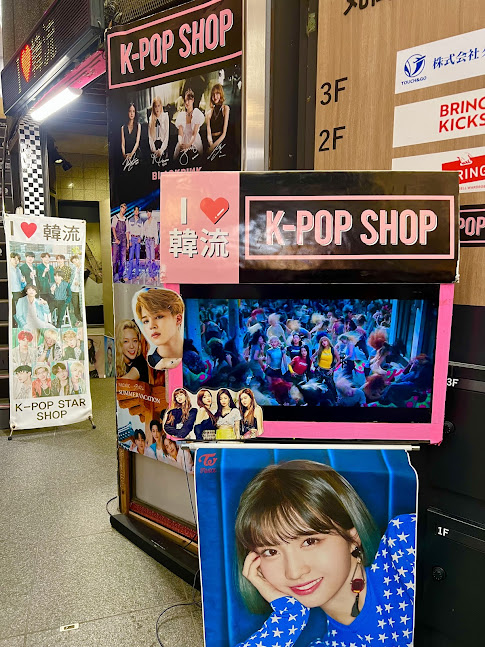
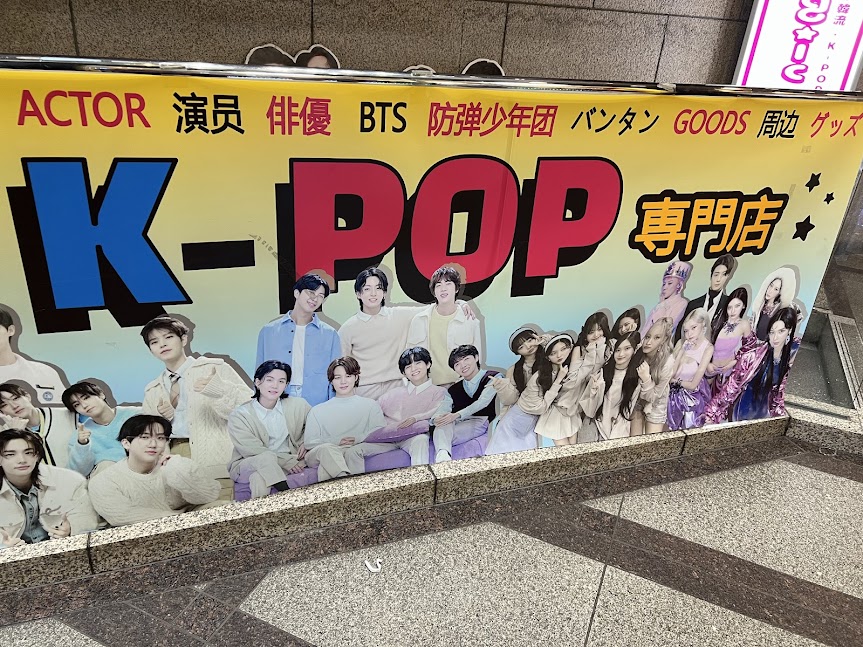
    As both a huge K-pop fan and someone who loves Korean food and culture, this was my kind of neighborhood. I visited multiple K-pop stores, wandered through the streets filled with Korean restaurants and K-beauty shops, and heard K-pop playing seemingly everywhere we went.

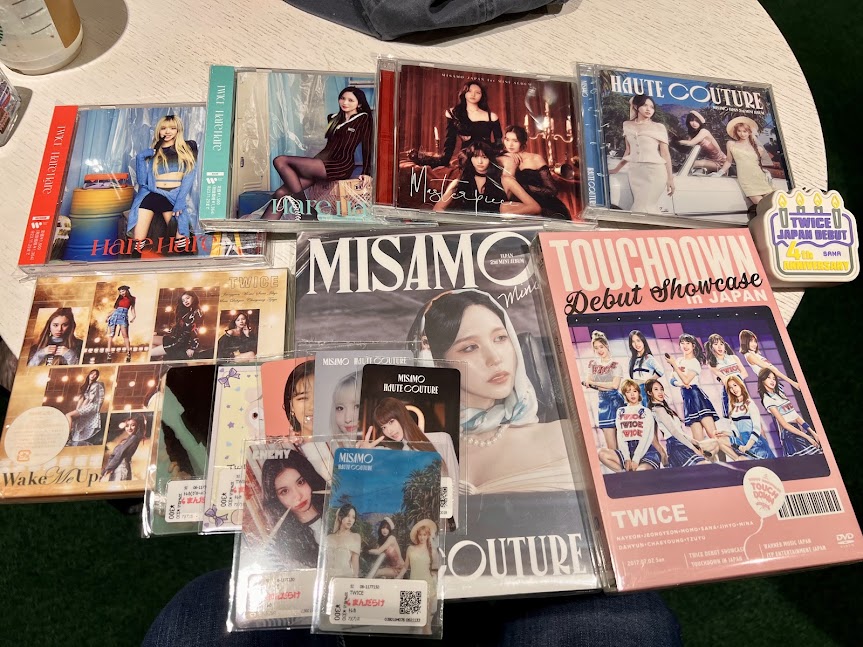
    It was so much fun getting to indulge my K-pop obsession while in Japan. I loved browsing merch and albums and seeing which groups seemed particularly popular there. A lot of the shops sold bootleg/unofficial items, and I bought a huge unofficial Sana photobook that I really love. I love girl groups, and especially Twice, and shopping for both official and unofficial merch was a blast. Shin-Okubo in general felt really energetic and colorful and I loved exploring.
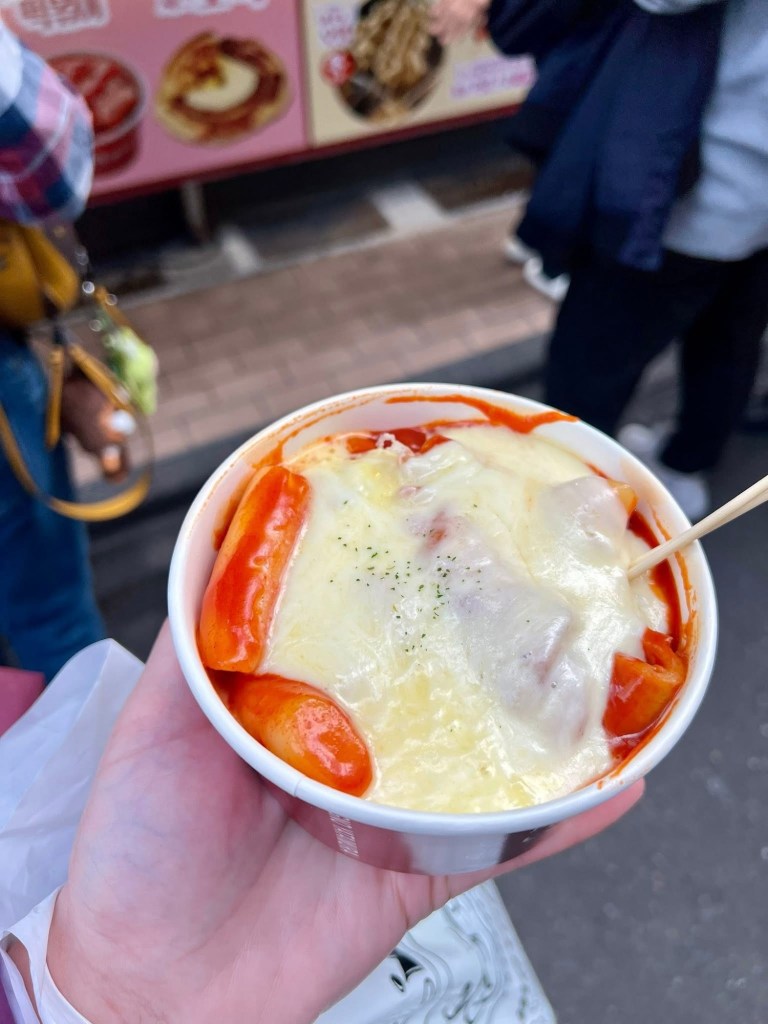
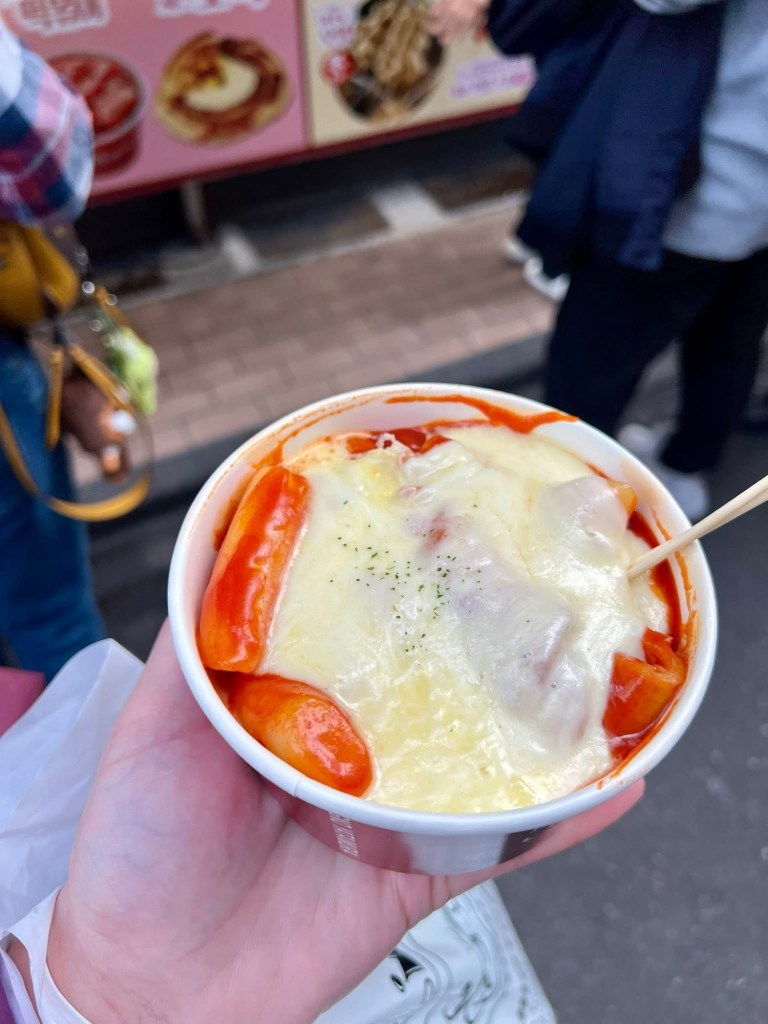
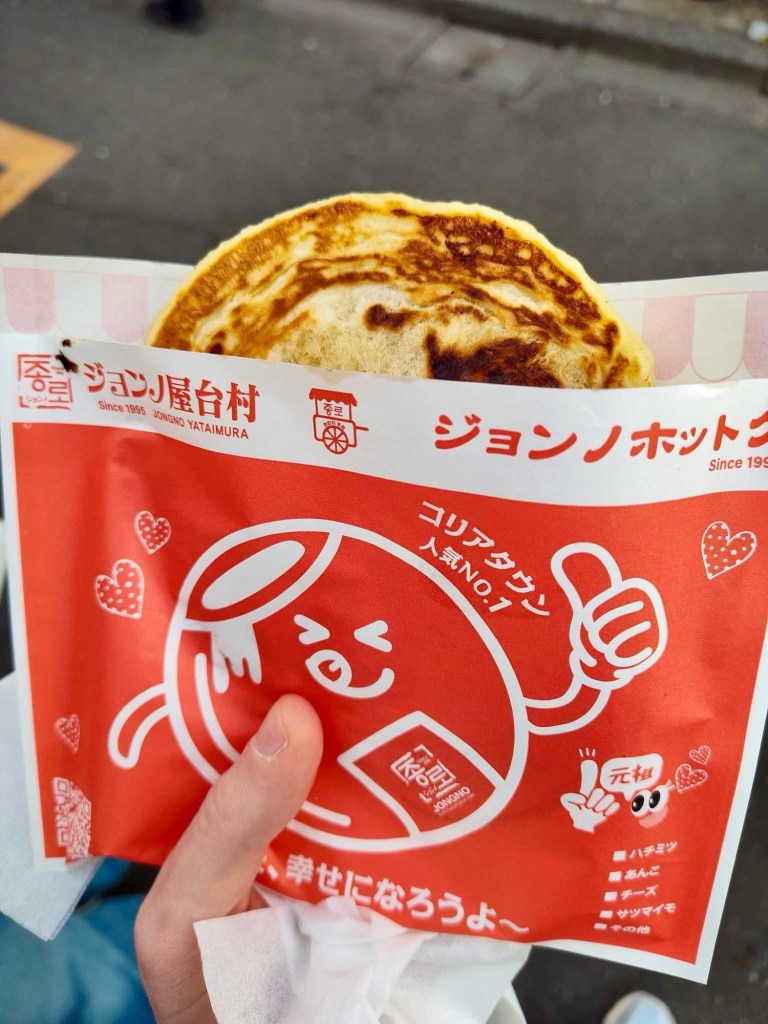
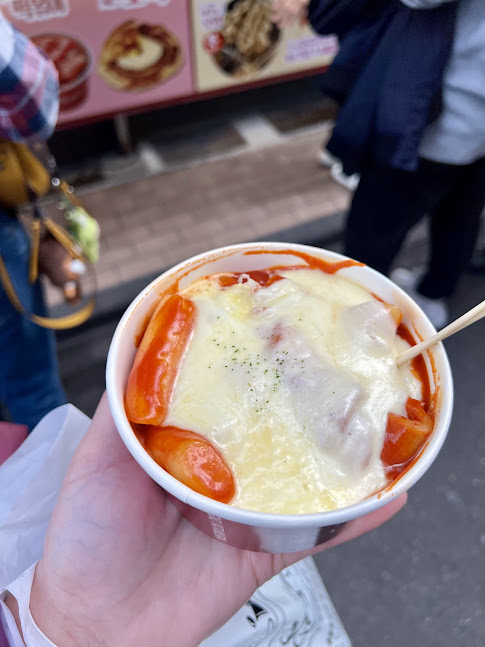
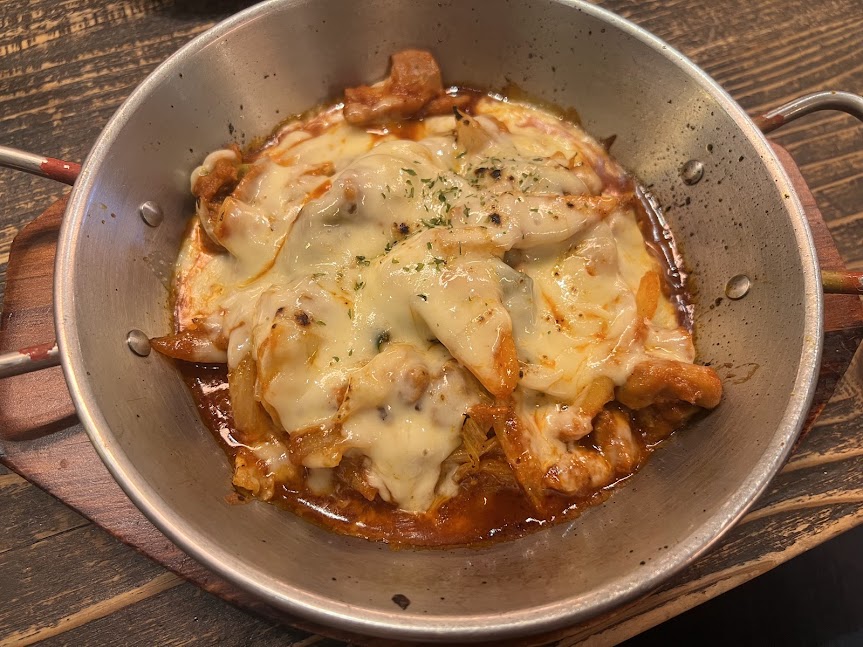
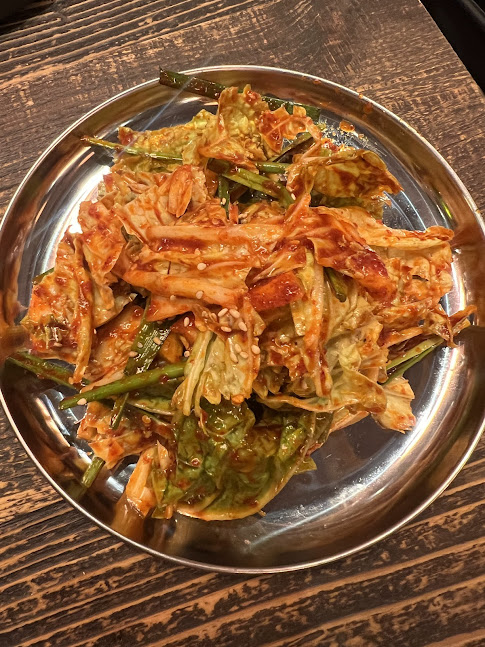
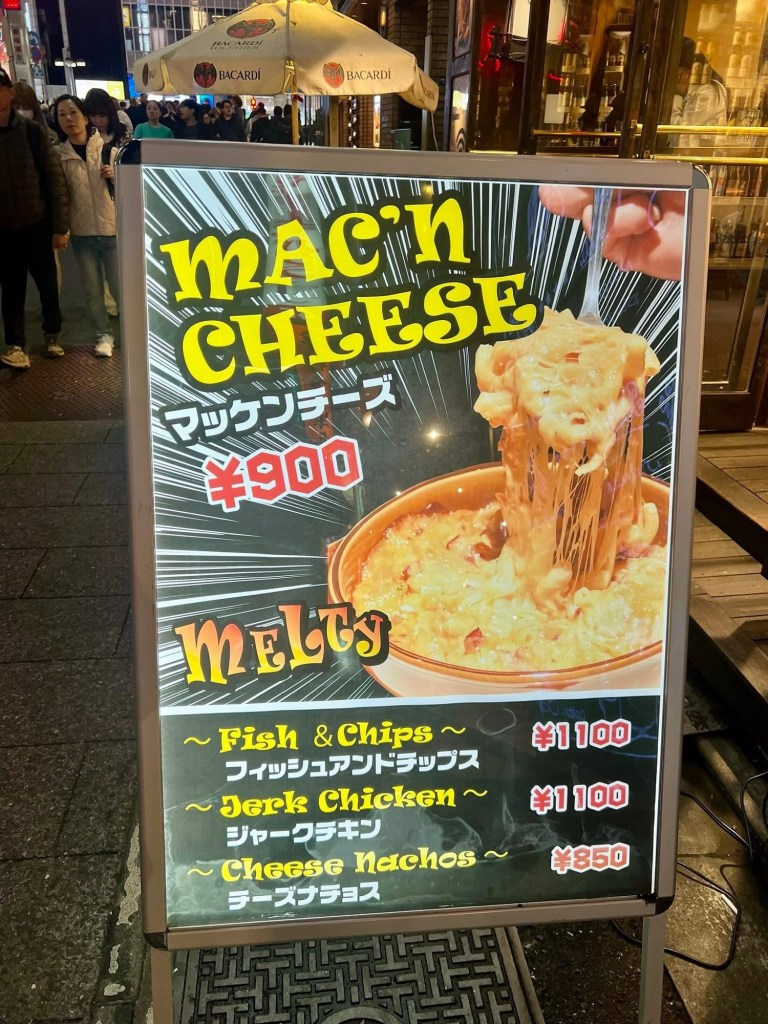
    Of course, we also had to eat! One of our street-food stops was for cheesy tteokbokki: chewy rice cakes covered in spicy red sauce and smothered in melted cheese. Tim got a hotteok, which is basically a Korean street food pancake. Between the K-pop stores and Korean snacks, I could have happily spent much longer wandering around Shin-Okubo.

    Small Plates, a Musical Surprise, & Shinjuku After Dark
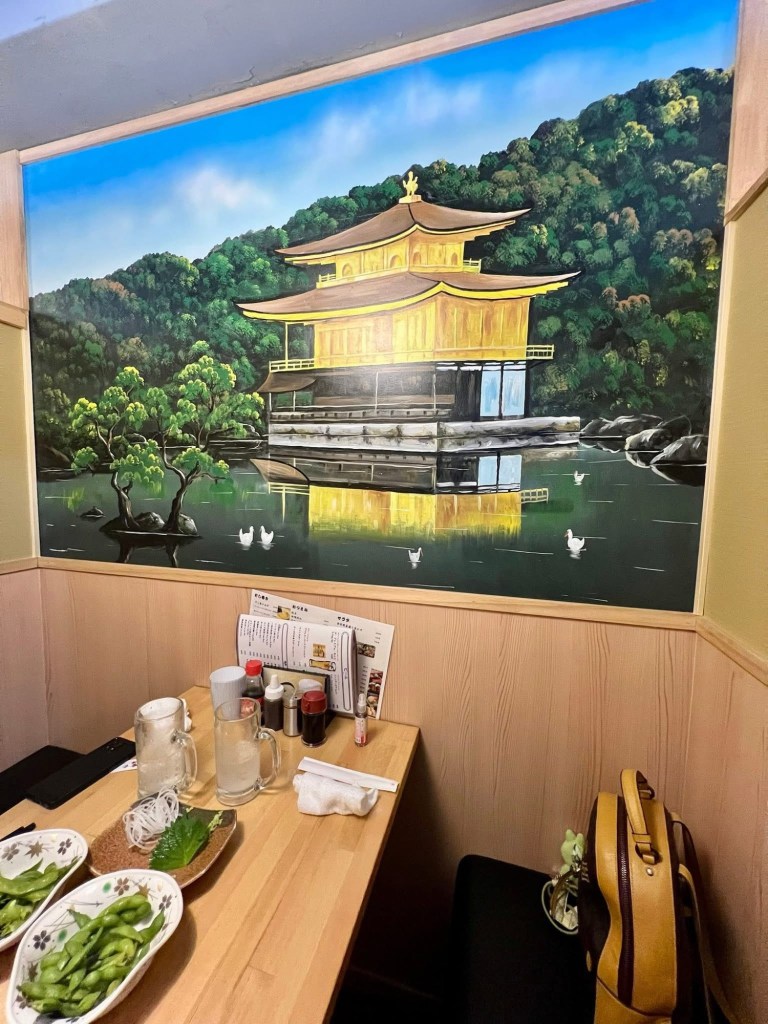
    Eventually we made our way back toward Shinjuku proper and decided on an izakaya for dinner, where Tim and I ordered a bunch of sushi and small plates to share. We absolutely love eating at izakayas. For those unaware, an izakaya is basically a bar or pub in Japan, where it is expected that you purchase a drink. Think of it like a table charge. They typically offer small plates as well.
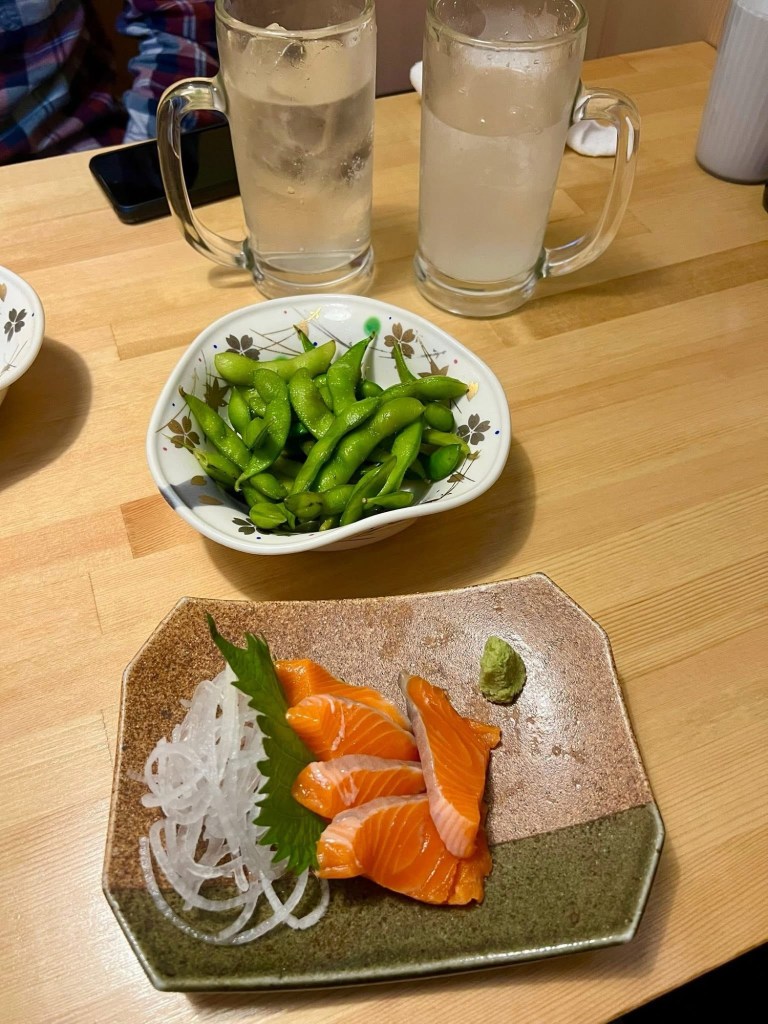
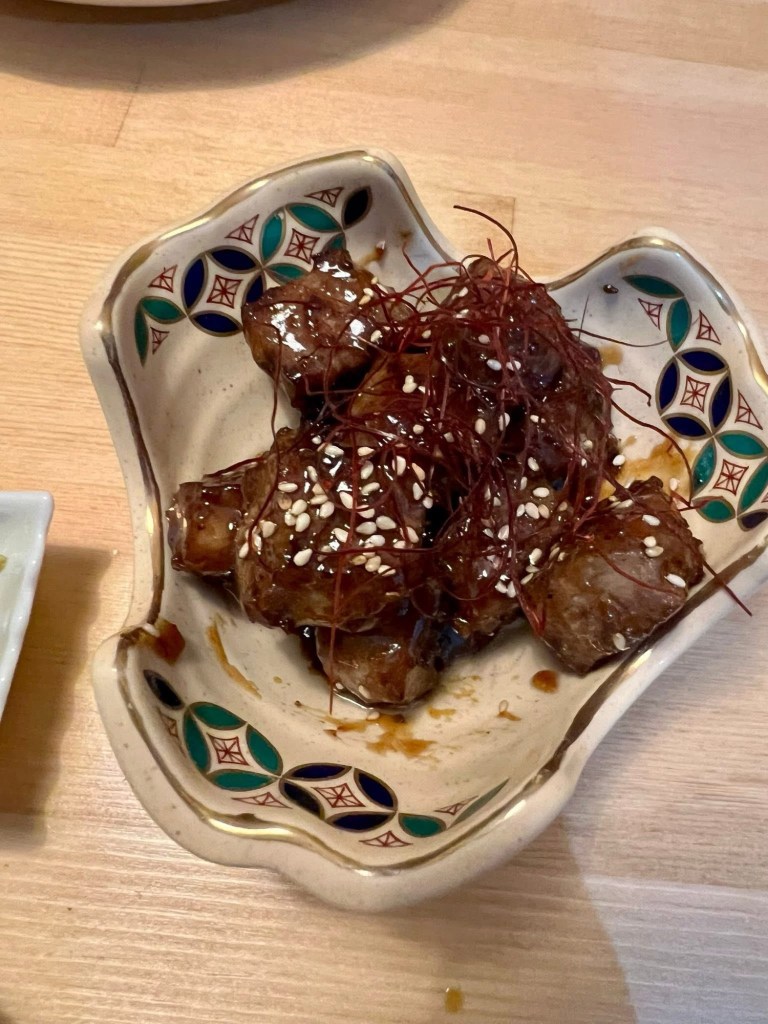
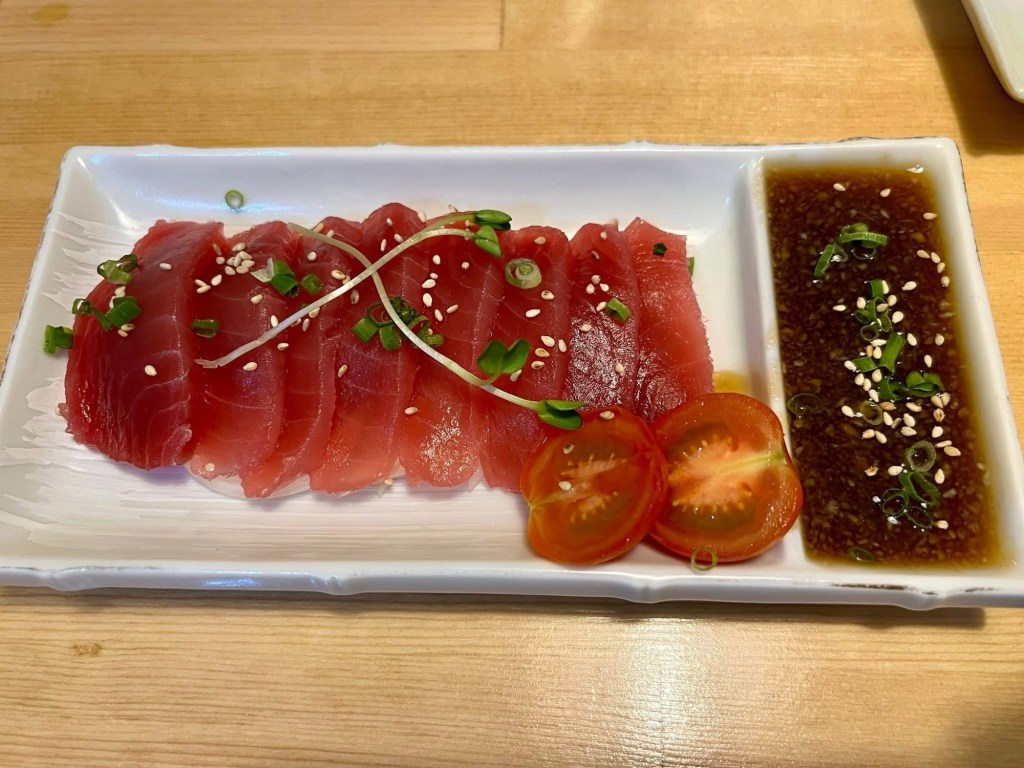
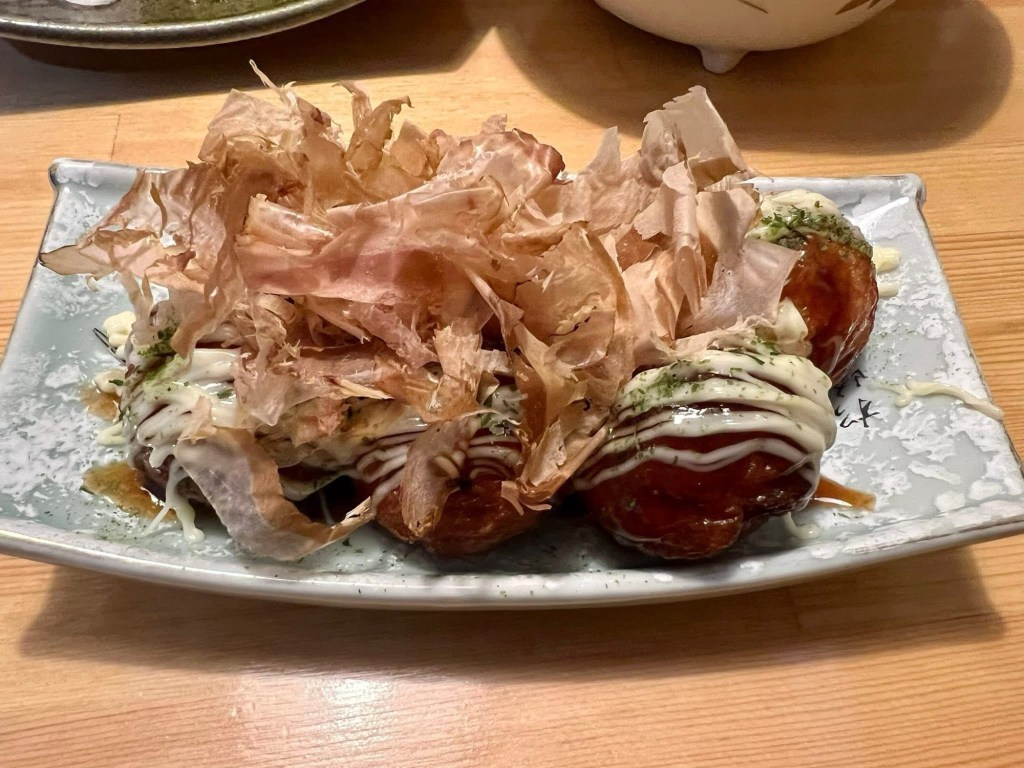
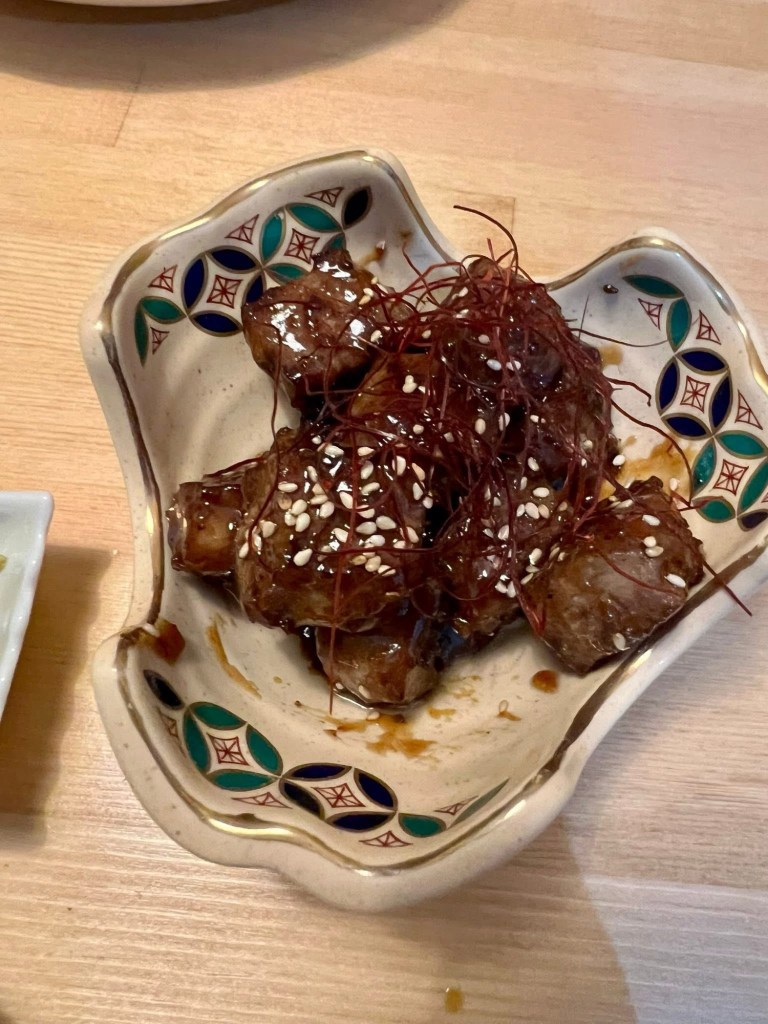
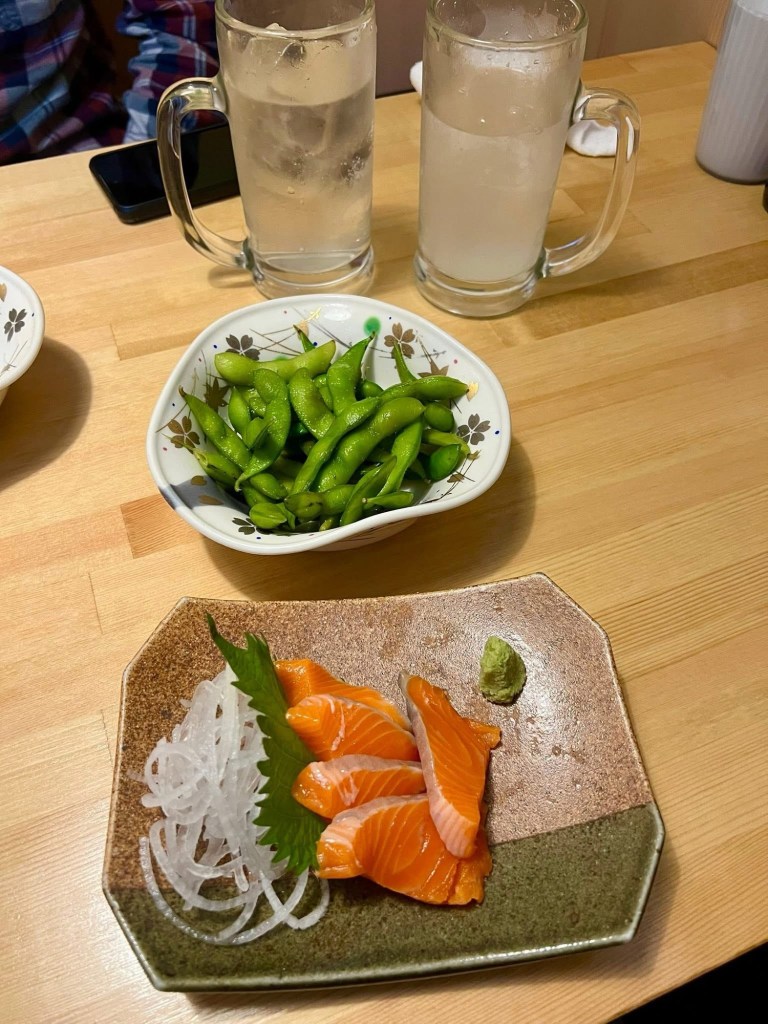
    I went straight for two of my favorite Japanese foods: salmon sashimi and takoyaki. Tim ordered Wagyu, okonomiyaki and tuna sashimi. One of my favorite parts about eating in Japan was being able to order several small dishes like this instead of committing to one huge entrée. It gave us an excuse to try a bunch of things at once. I love eating this way in general because it is so hard for me to choose just one thing. I am a huge foodie, especially when traveling, and I want to try EVERYTHING.
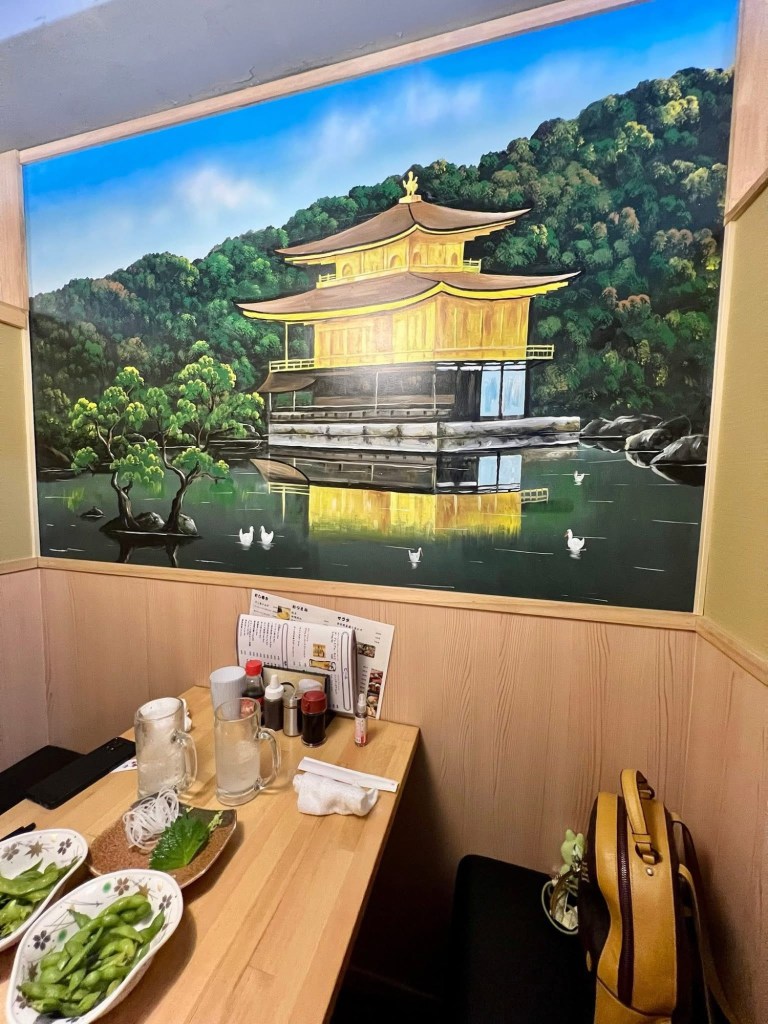
    After dinner, we started walking back toward the general direction of our hotel, but we took our time exploring the city and popping into any store that happened to catch our eye.

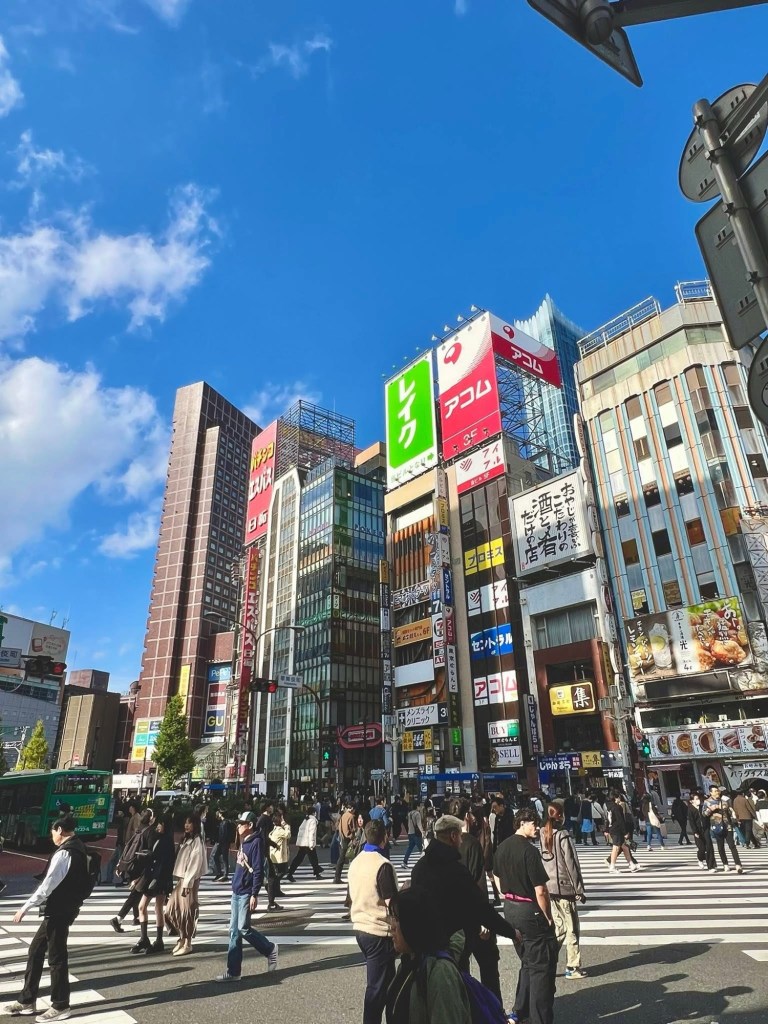
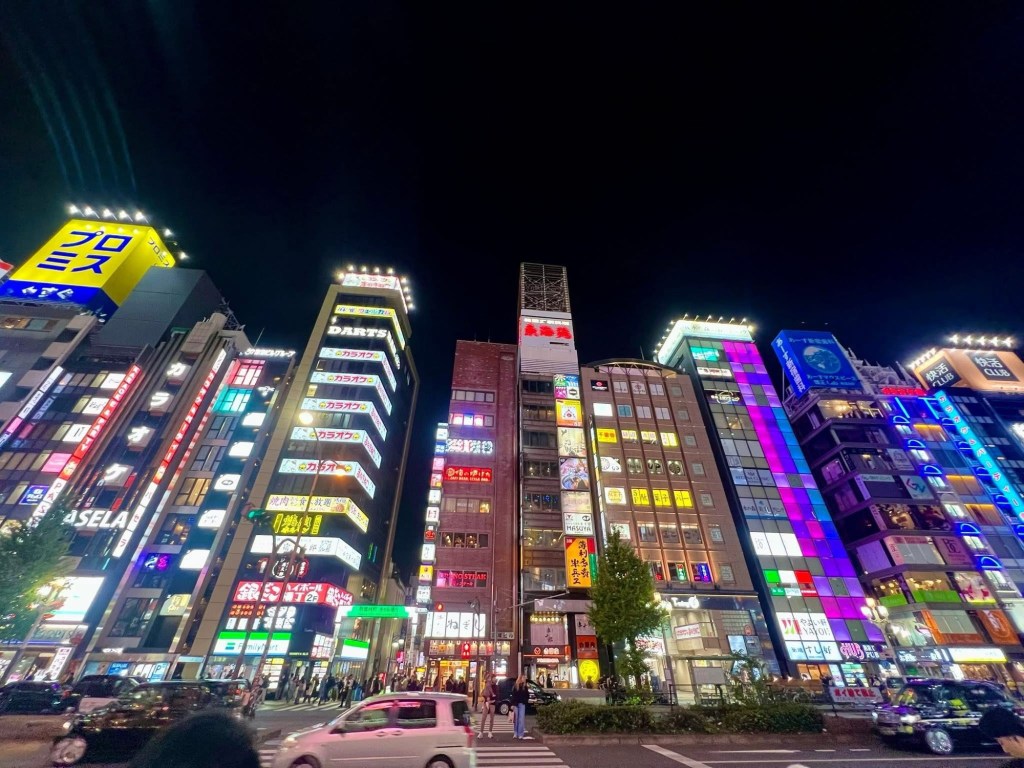
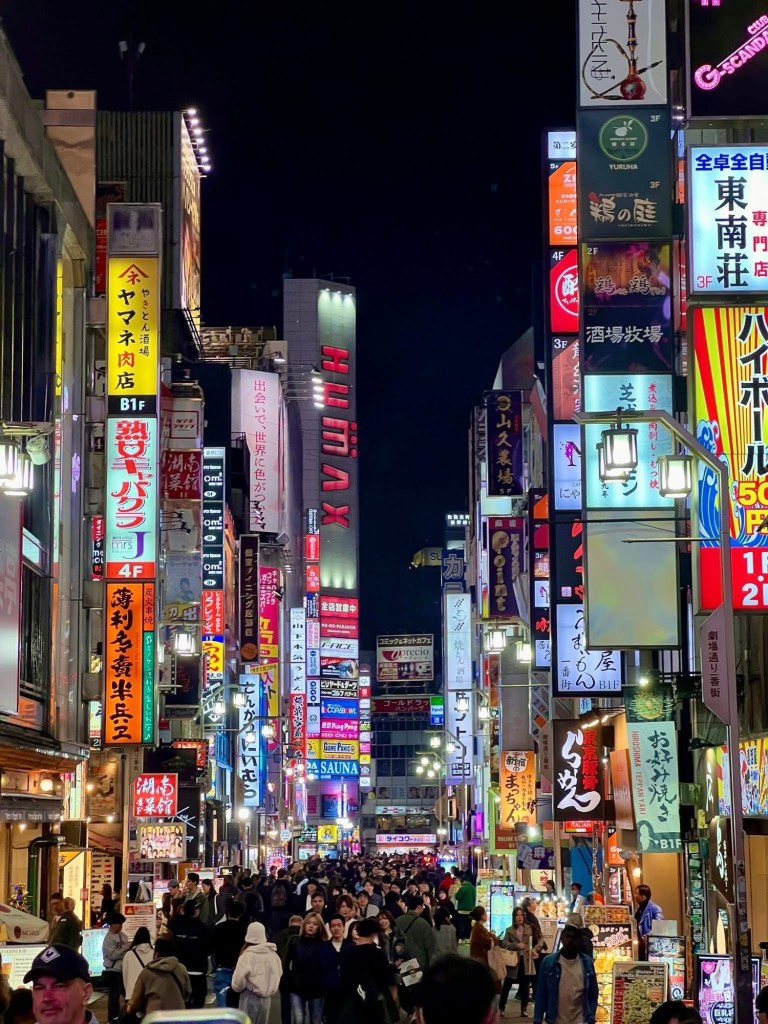
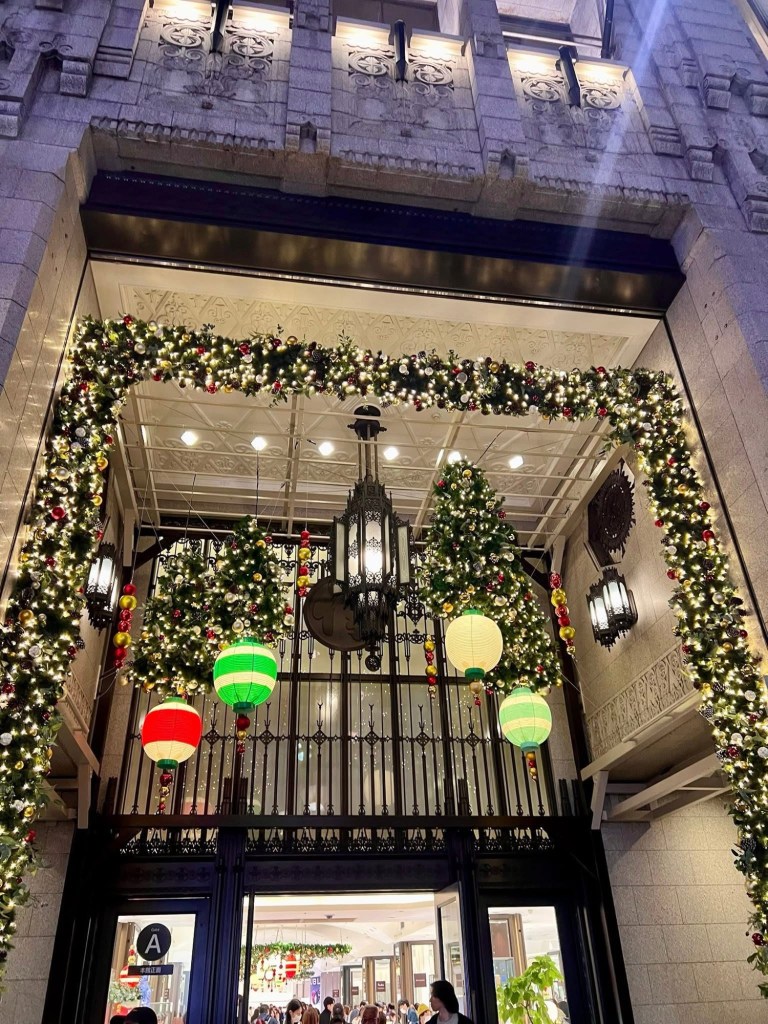
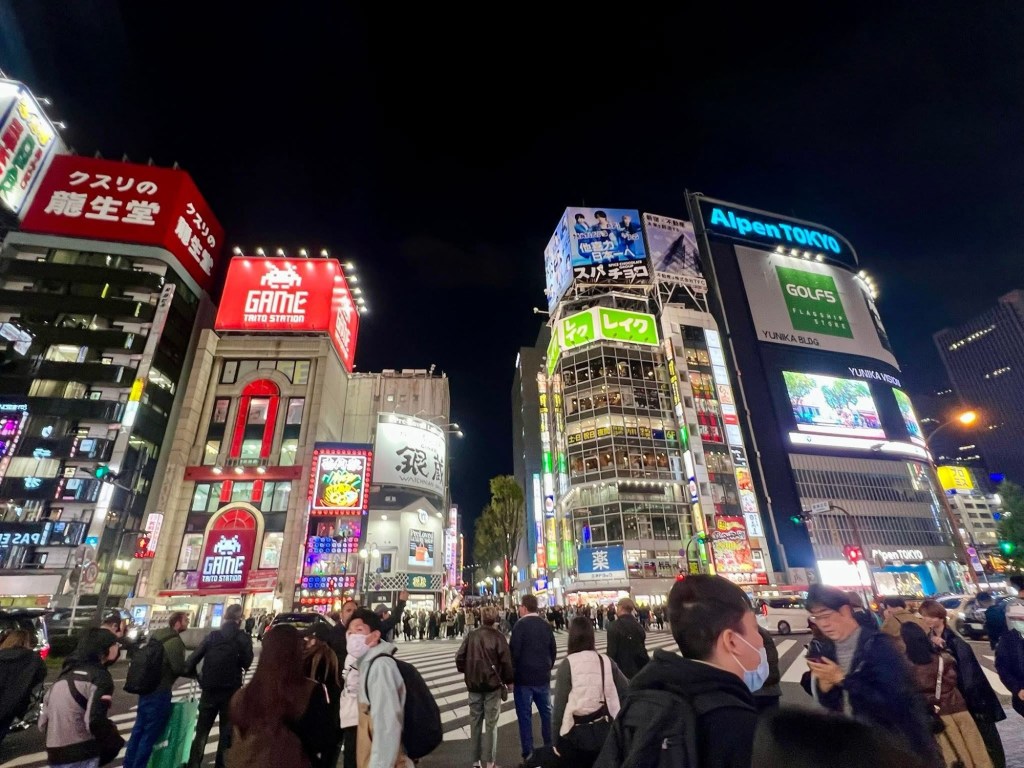
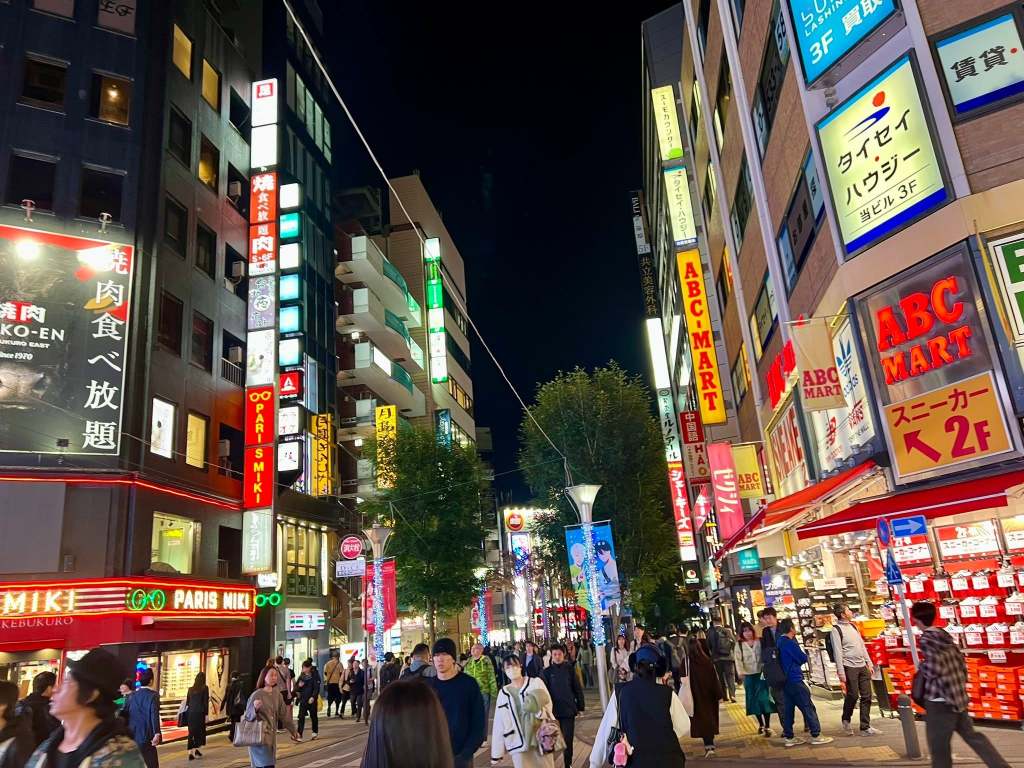
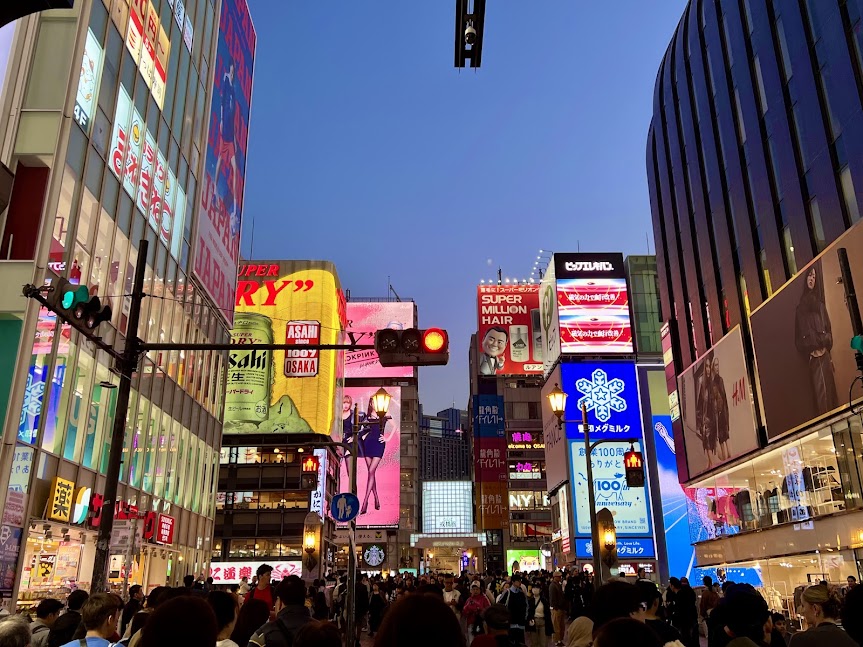
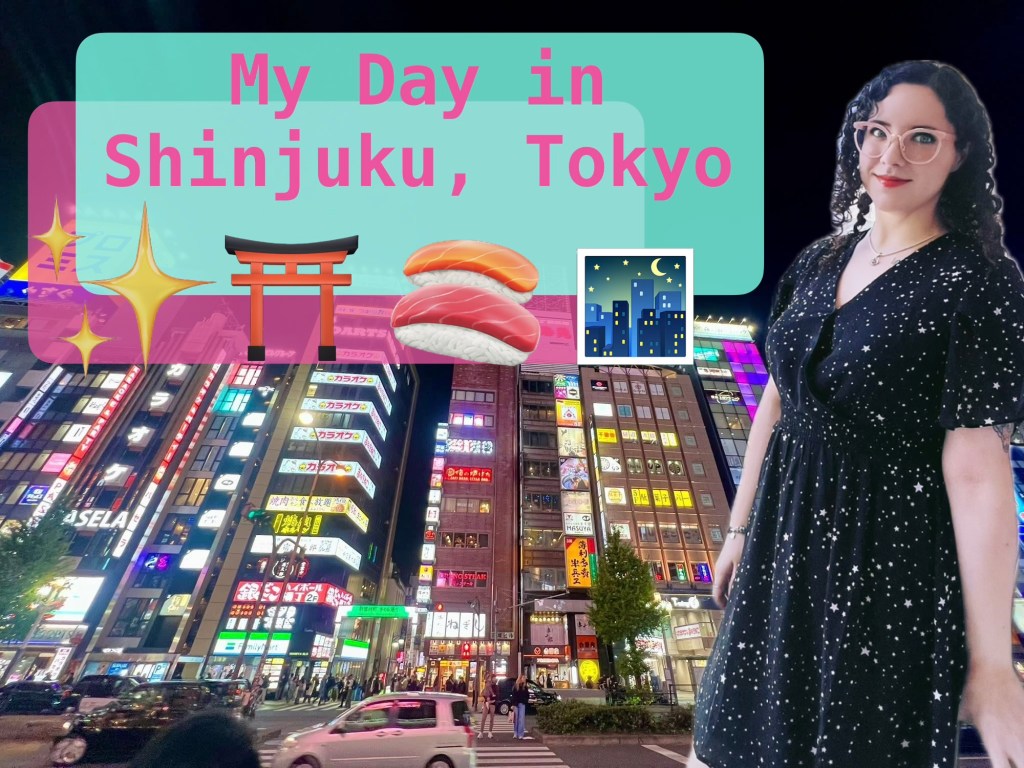
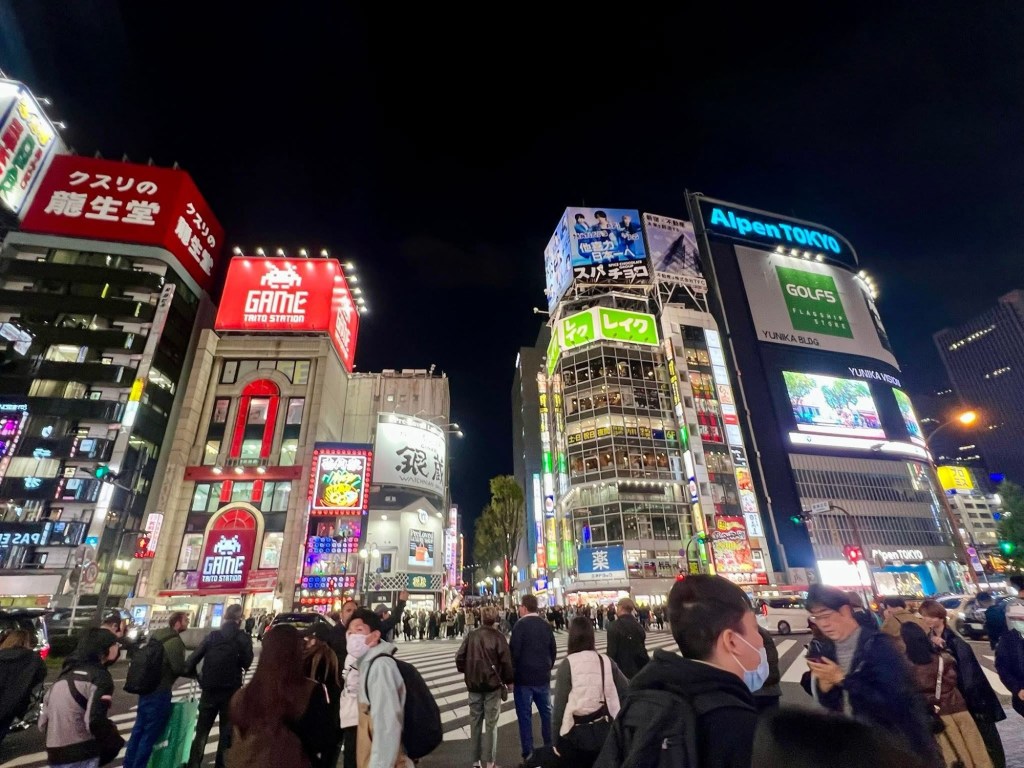
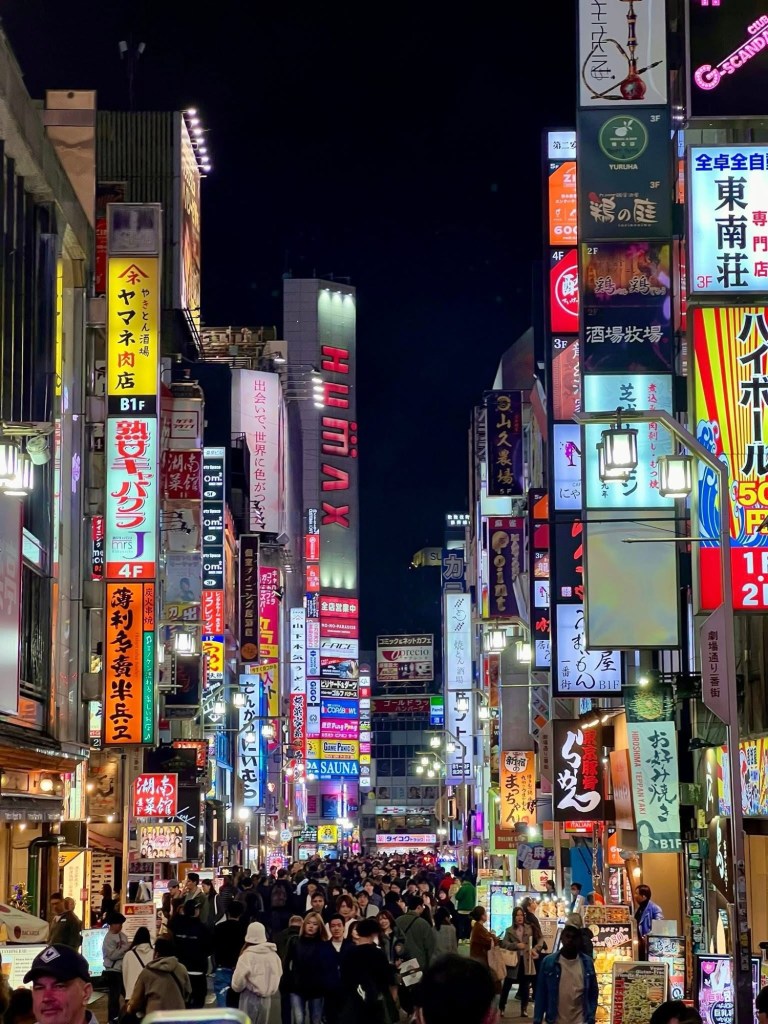
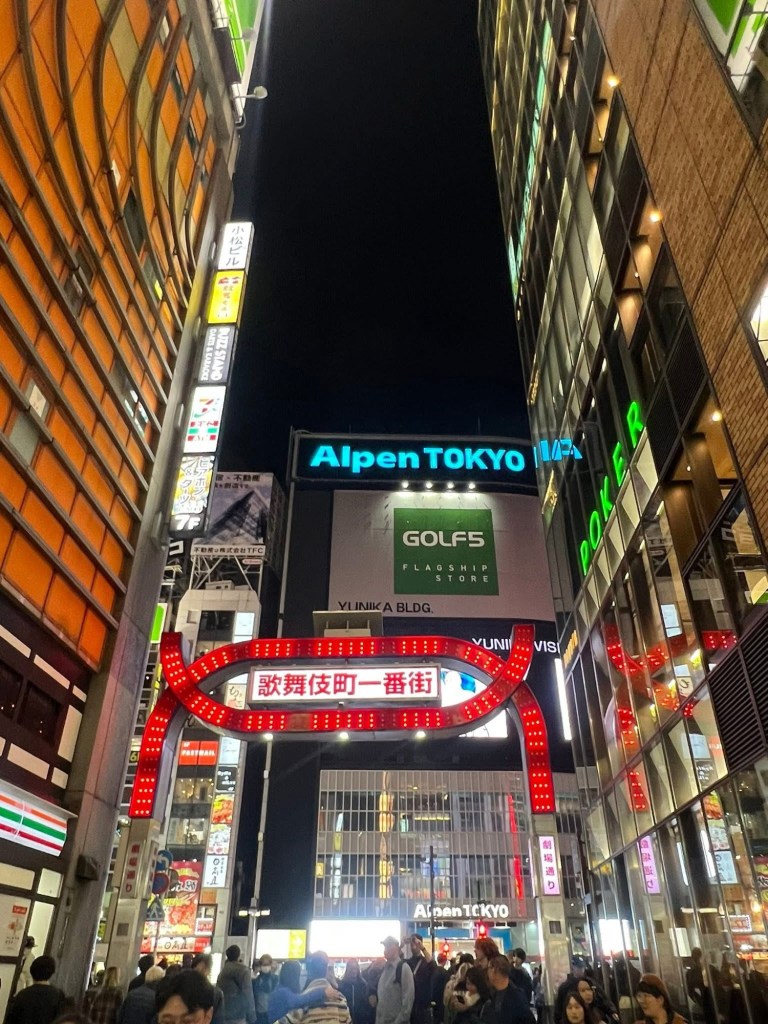
    Shinjuku at night really is an experience in itself. Giant neon signs cover the buildings, restaurants and bars occupy every available inch of space, and the streets are densely packed with people. Shinjuku feels like the quintessential “big city”, and at night it is truly beautiful, bustling, and wondrous. Below is one of my favorite pictures that I took during my whole 18 day honeymoon in Japan, and I really feel that it captures the overall vibe of Shinjuku perfectly.
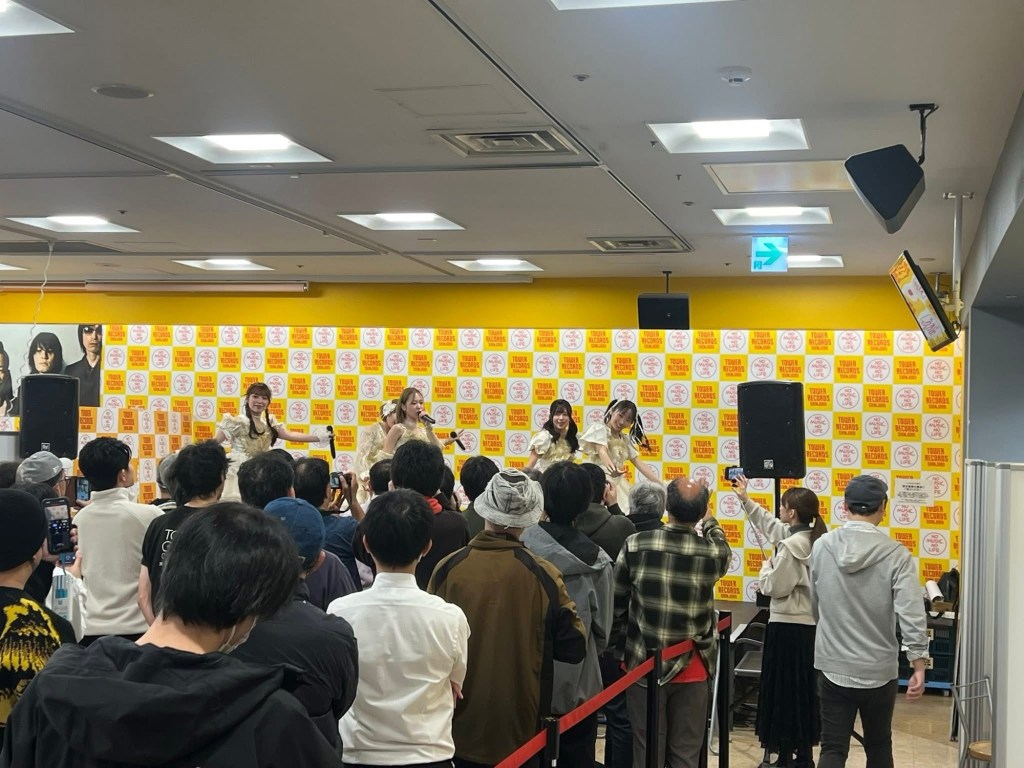
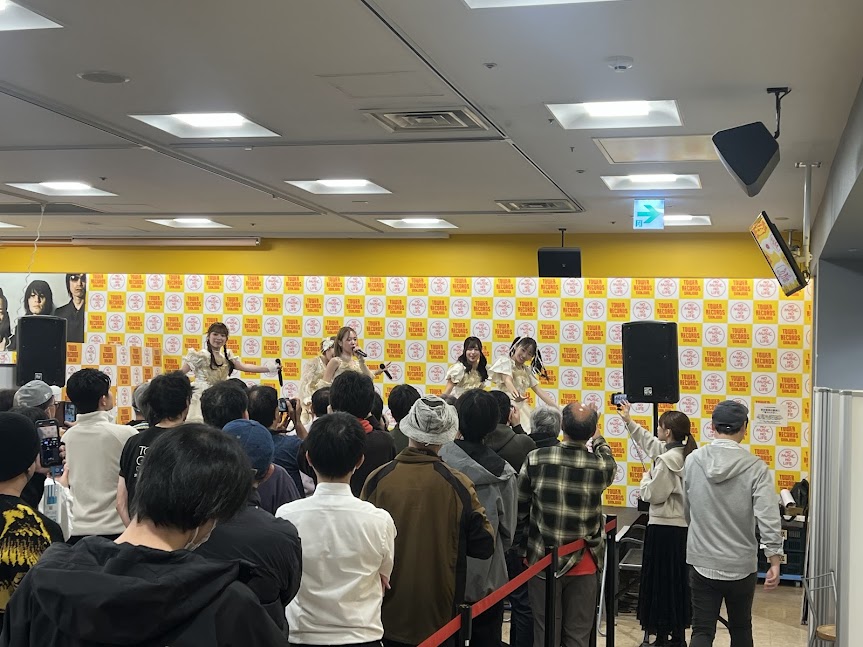
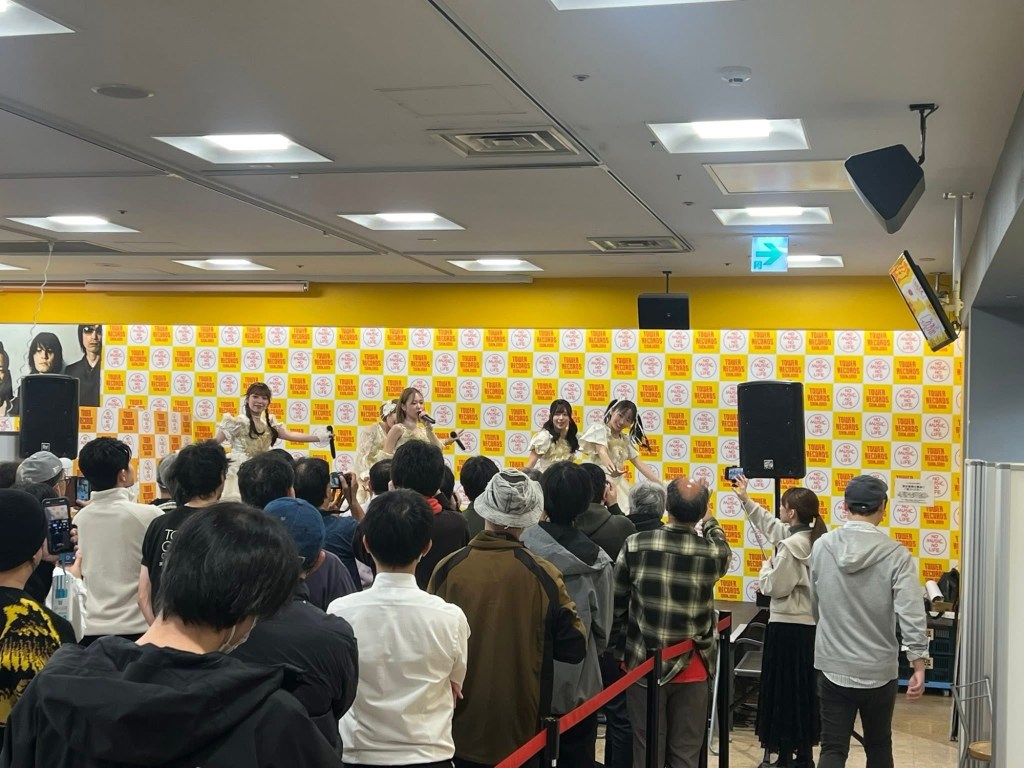
    One of our spontaneous stops that night ended up being particularly memorable. We popped into Tower Records and discovered that a J-pop group called .BPM happened to be performing! We stopped to watch for a while, and they were really good! It was such a cool, unplanned little travel moment that we never could have put on an itinerary. Their music and vibe would please any K-pop girl group fan, so definitely look them up if that’s your thing. These girls are very talented and clearly have some very dedicated fans!
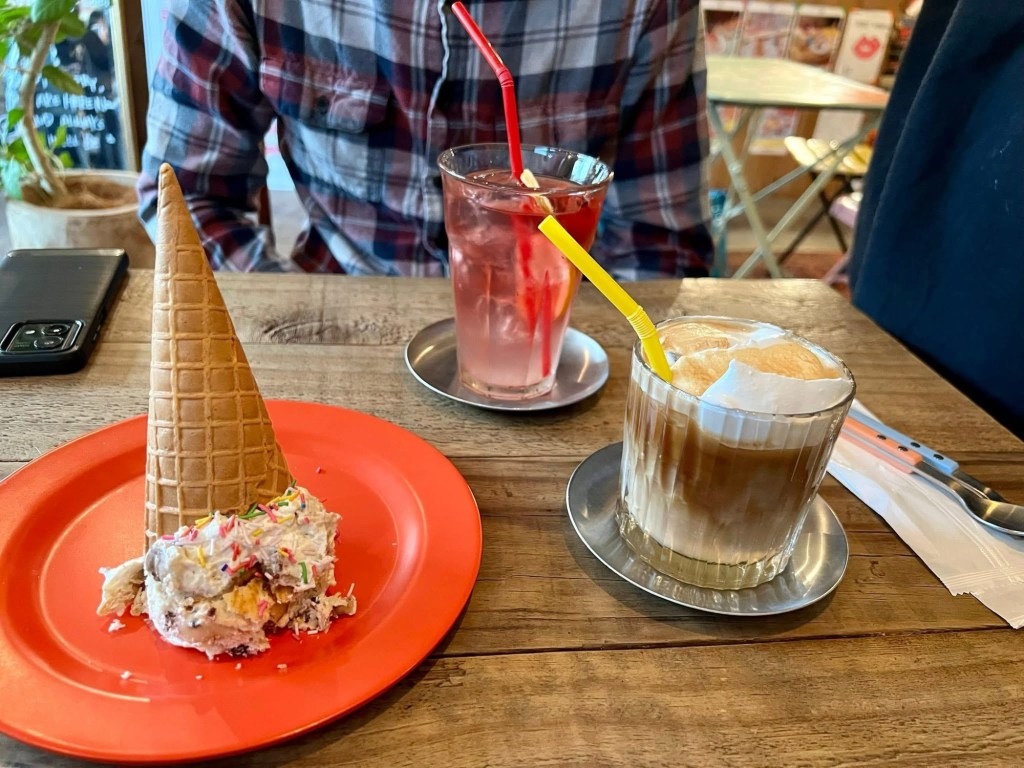
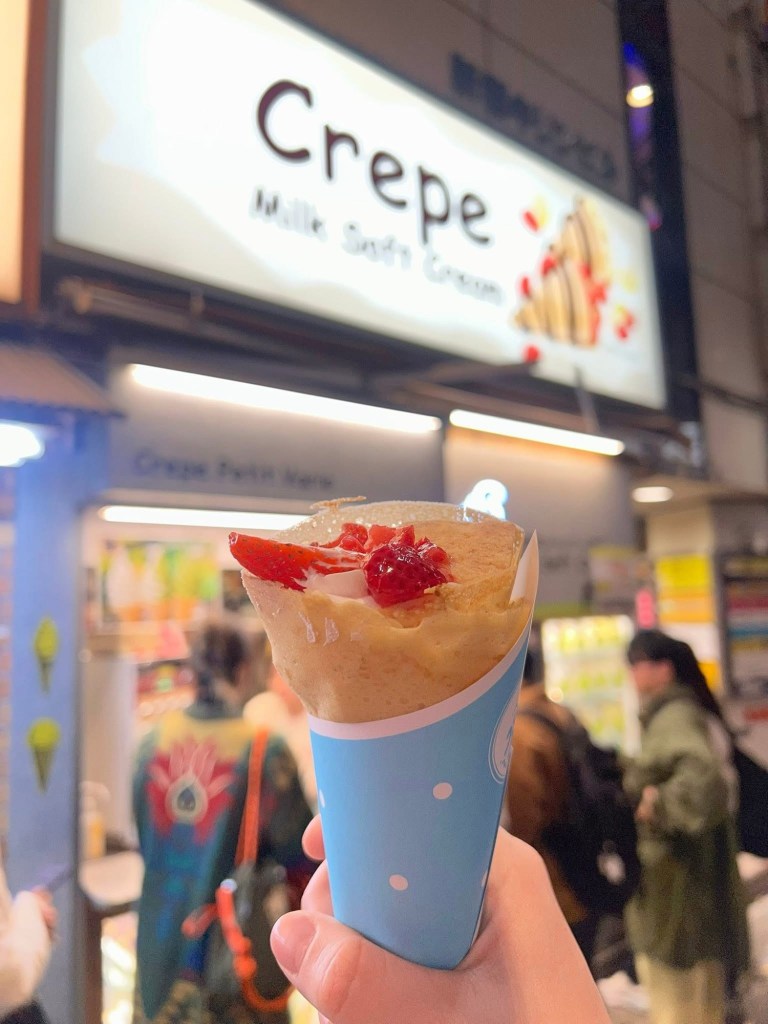
    And because we obviously hadn’t yet eaten enough adorable and delicious things that day, we finished the night by splitting a strawberry cheesecake crepe for dessert.
    Looking back, this day was the perfect snapshot of why I love Tokyo so much. Within the span of just one day, we went from a Cinnamoroll-themed café to a traditional shrine and flea market, spent the afternoon surrounded by K-pop in Koreatown, ate sashimi and takoyaki at an izakaya, stumbled across a live J-pop performance, and finished the night eating a crepe beneath the neon lights of Shinjuku.

    There wasn’t really one enormous bucket-list attraction anchoring the day. Instead, it was a collection of smaller experiences. And despite that, this was one of the days that ended up being the most memorable!

    Gallery
  • Shibuya vs. Akihabara vs. Ikebukuro: Which Tokyo Neighborhood Best Suits Your Interests?

    Shibuya vs. Akihabara vs. Ikebukuro: Which Tokyo Neighborhood Best Suits Your Interests?

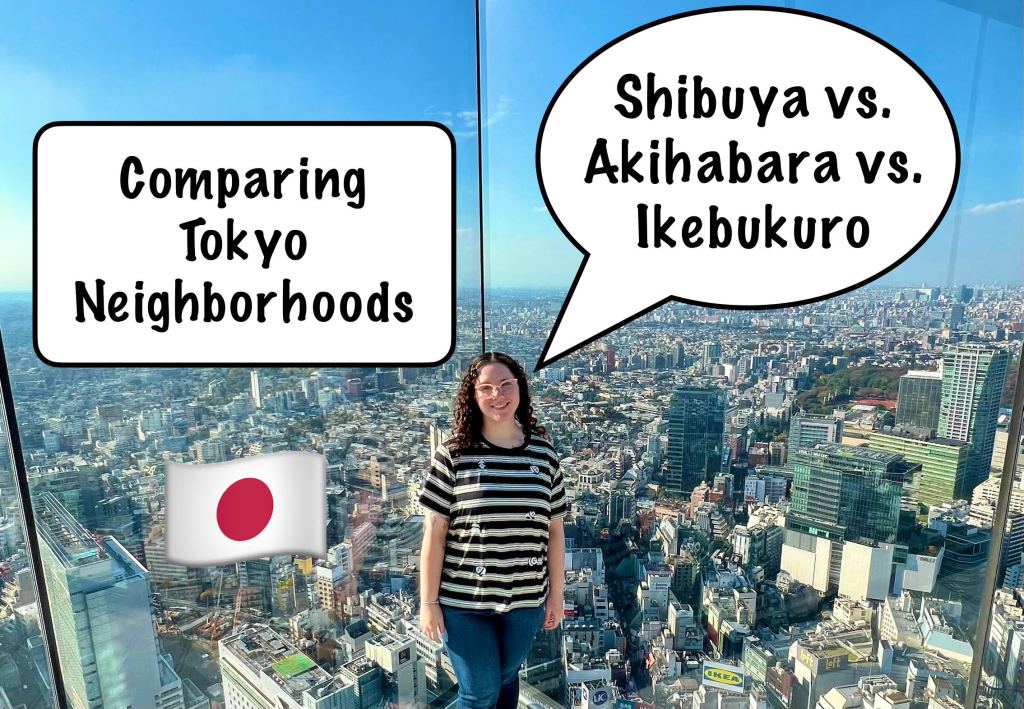
    One thing that surprised me about Tokyo was how distinct each of its neighborhoods feel from one another. Each one has its own character and personality. They feel less like neighborhoods and more like several different, smaller cities that make up the vast and seemingly unending Tokyo . It is one of the biggest cities in the world, and you would need months, if not years, to see all that it has to offer. However, you’re probably only visiting Japan for between 1 and 3 weeks, and need to decide which areas to prioritize! That’s what I’m going to try to help you out with today. I’ve chosen 3 Tokyo neighborhoods that I hold very close to my heart to write about: the modern and bustling Shibuya, the fandom and hobbyist paradise of Akihabara, and the frequently underrated Ikebukuro.
    Shibuya: For First-Time Visitors and Big-City Vibes

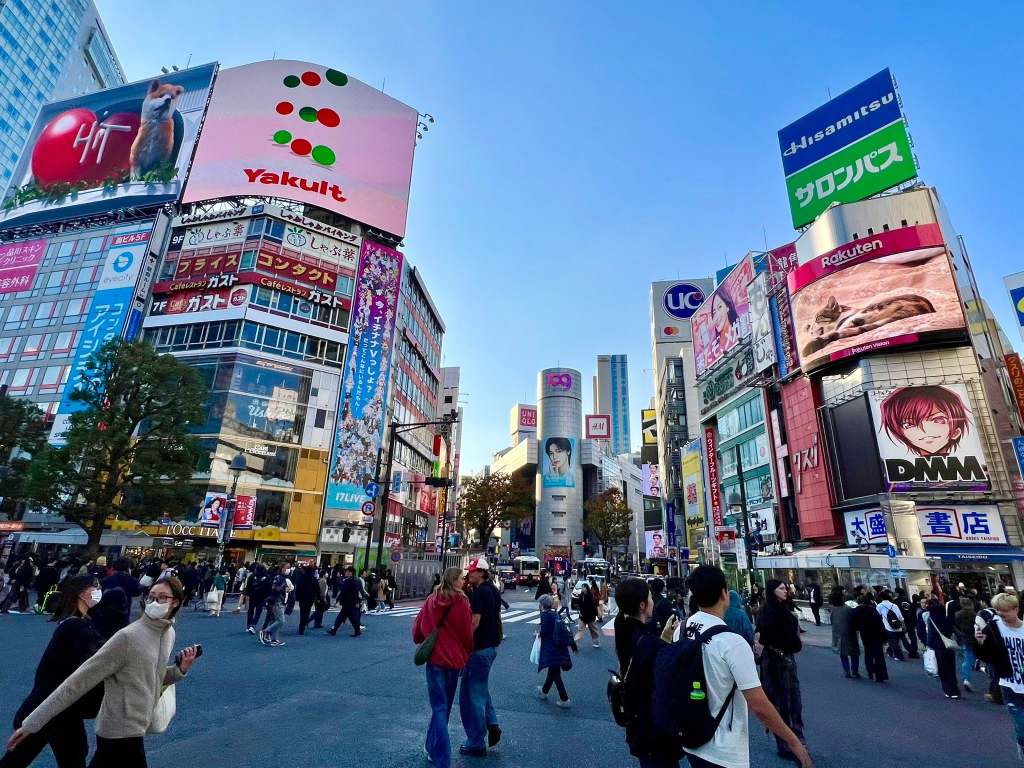
    If someone asked me where they should start exploring Tokyo, I would almost always say Shibuya. It has so many of the sights that people picture when they imagine Japan for the first time. Walking across Shibuya Scramble crossing, the busiest crosswalk in the world, was one of those experiences that you always hear about. And it does live up to the hype! It’s awe inspiring, if not a bit overwhelming, to see the sheer number of people who cross during each walk cycle. It is said that 1,000 to 2,500 people cross every two minutes. It is one of my stand-out memories from my time exploring Tokyo.

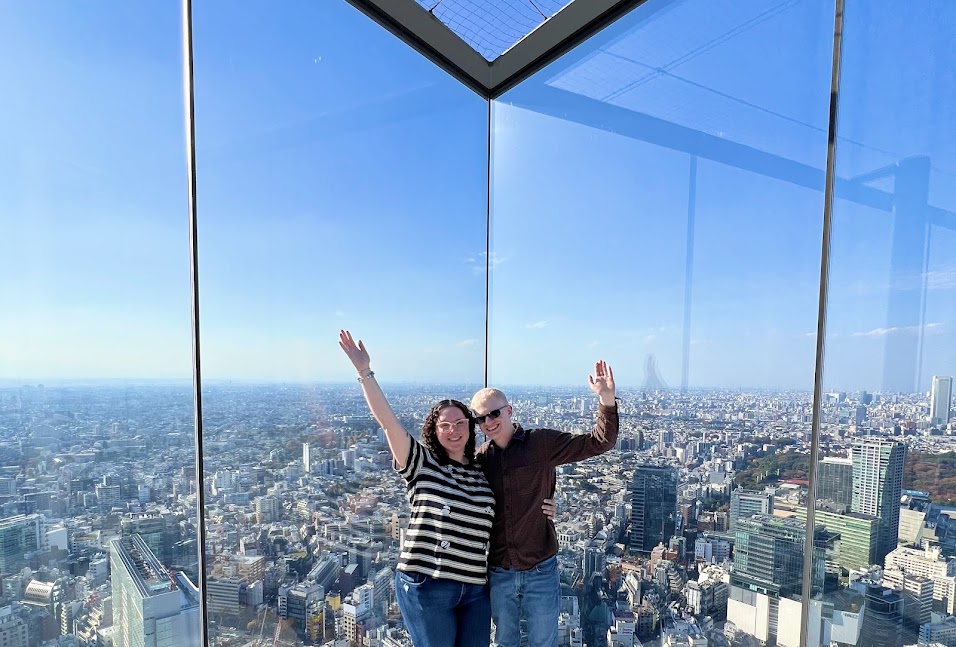
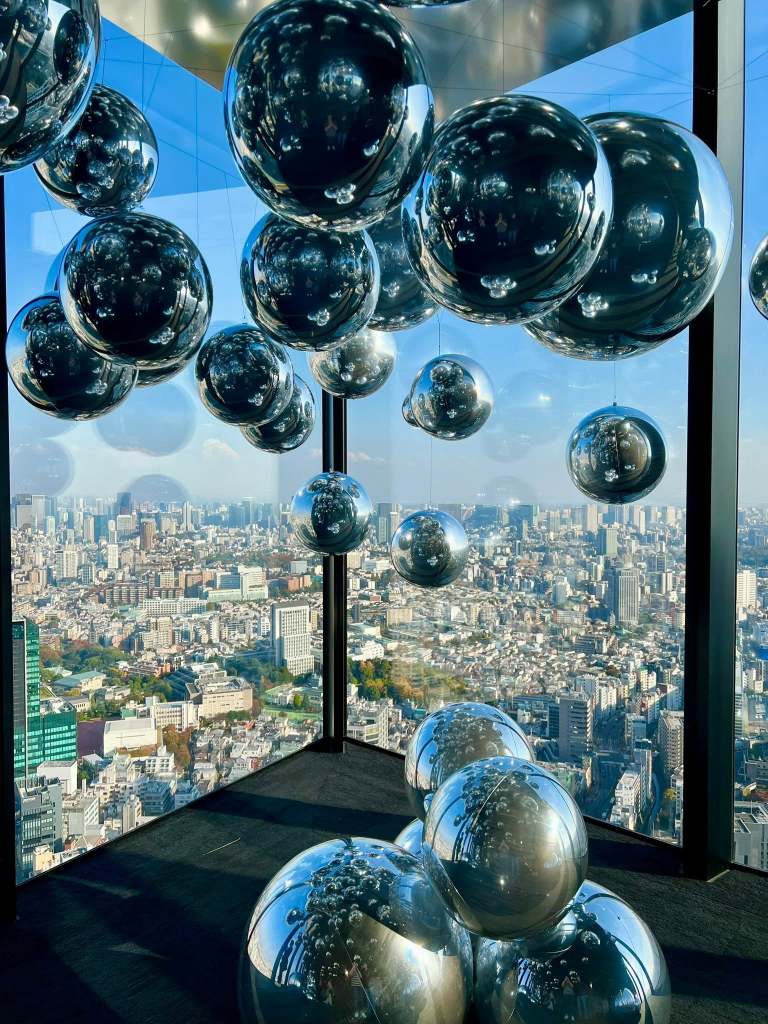
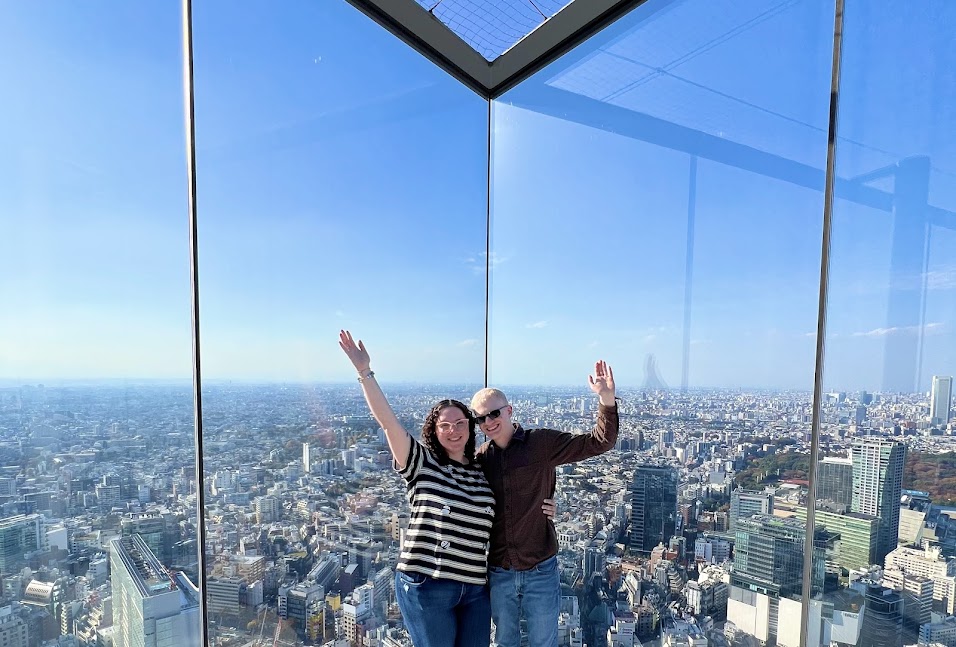
    Another highlight from our trip was right in Shibuya as well: the Shibuya Sky observation deck! It offers a 360 degree view of the city from one of the tallest buildings in Tokyo. Keep in mind that tickets for this attraction need to be purchased in advance. I recommend going at night or during sunset, if possible, but those tickets sell out extremely quickly. We went during the day, and we were fortunate that it was a clear day. Looking out over one of the largest cities in the world really puts Tokyo into perspective!

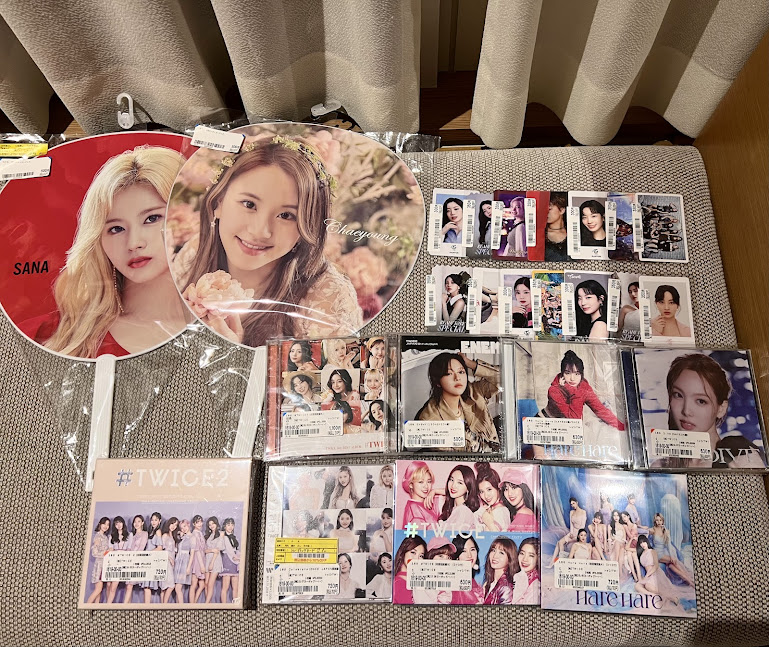
    Shibuya also ended up being one of my favorite places to shop. A highlight for me was getting a huge K-pop haul at Mandarake, a secondhand hobby store! But there are so many towering malls and places to eat, shop, and explore. Shibuya is an absolute marvel! If you love big, bustling city vibes, it absolutely cannot be missed!

    Akihabara: Heaven for Anime, Gaming, and Collecting

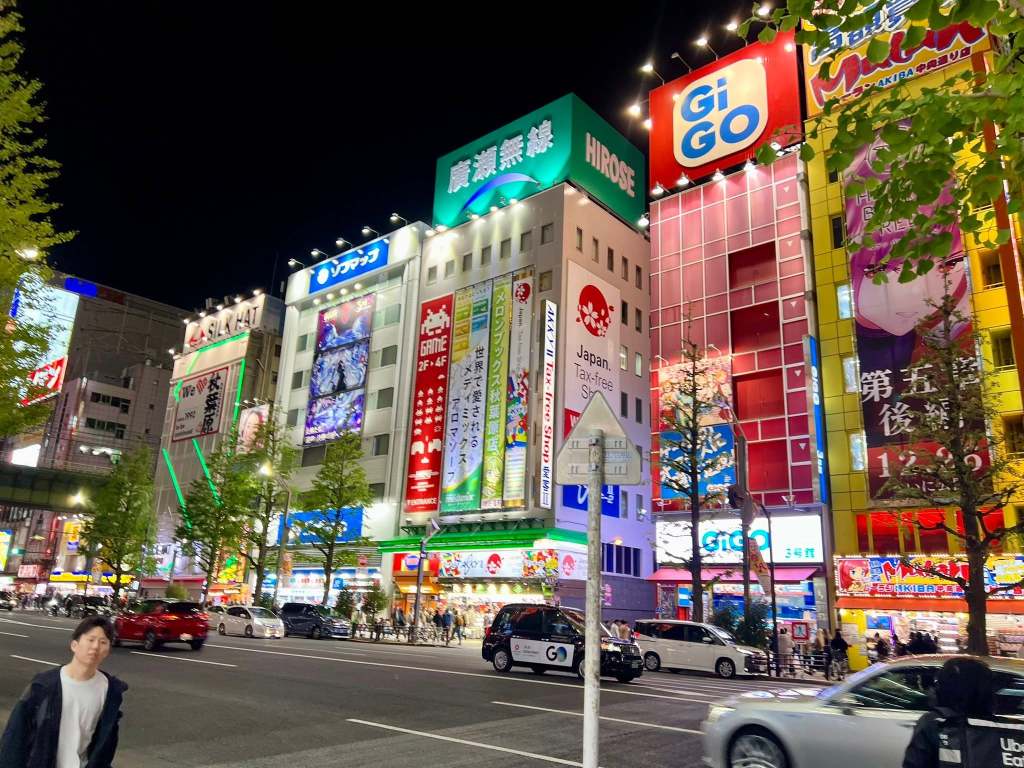
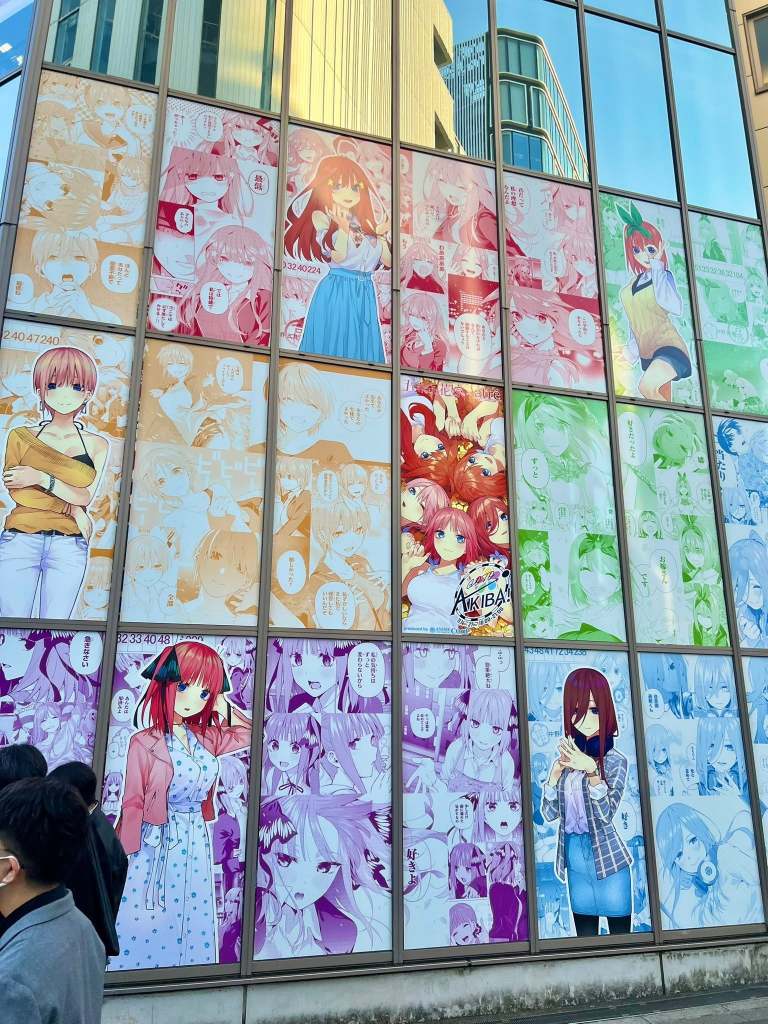
    Often referred to as Akihabara Electric Town, Akihabara is widely considered to be the heart of Otaku culture in Japan. The streets are densely packed with shops dedicated to anime, manga, video games, fandom, and general pop culture. There are also a lot of arcades! My husband and I were able to win a few things from UFO catchers at an arcade that we decided to wander into on a whim. In many ways, Akihabara feels like stepping into a gamer or anime lover’s paradise. Between the arcades, hobby shops, capsule toy machines, trading cards, figures, and anime, it feels impossible to see everything in one visit.

    I enjoy anime and video games, and I have lots of friends who are VERY into these hobbies, so I can easily say that Akihabara is a must-visit for your Japan trip if you are a gamer or an Otaku. My pop culture tendencies lean more heavily toward kawaii characters, K-pop, Studio Ghibli, and dolls, and they were all represented in Akihabara as well, although to a lesser extent than currently popular anime, Nintendo, and so on. I did get a Hatsune Miku figurine and a Japanese copy of the first Death Note manga volume! I also got some great souvenirs for my friends based on their specific anime and video game interests. Also, if you are on a limited budget, there is no shortage of secondhand shops selling merch and collectibles. If anime and gaming are a big reason for your visit to Japan, I would say that it deserves a spot near the very top of your itinerary. It is vibrant, fun, and well… electric!
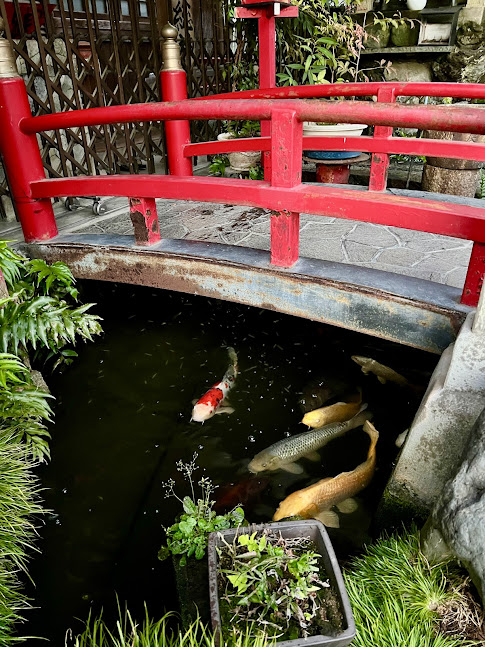
    Ikebukuro: An Underrated Tokyo Neighborhood

    Not unlike Akihabara, Ikebukuro is a big pop culture hub in Tokyo. However, before my trip, I hadn’t heard Ikebukuro mentioned even a fraction as often as I’d heard about Akihabara. After visiting, I’m not quite sure why. For me, it felt like the best of both worlds. It had plenty of anime stores and character merchandise, but it also felt a bit less chaotic. Sunshine City alone can easily fill an afternoon. And because of where my own interests land, I would actually say that I may have had a better time at the Sunshine City Mall than I did exploring the shops in Akihabara.

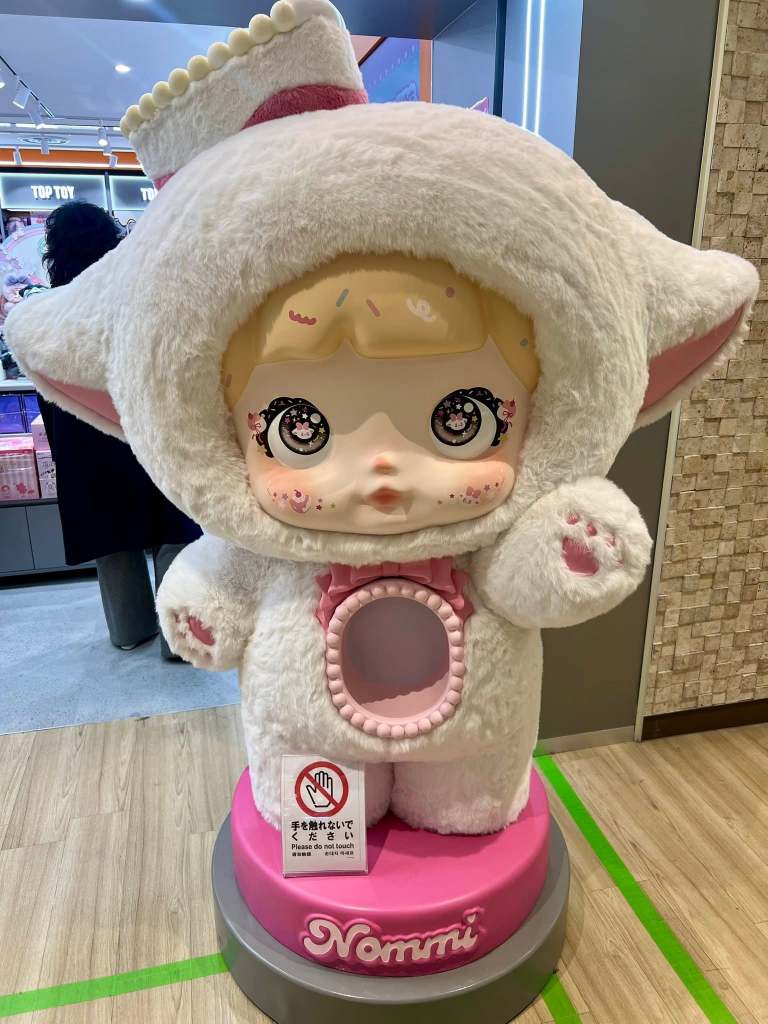
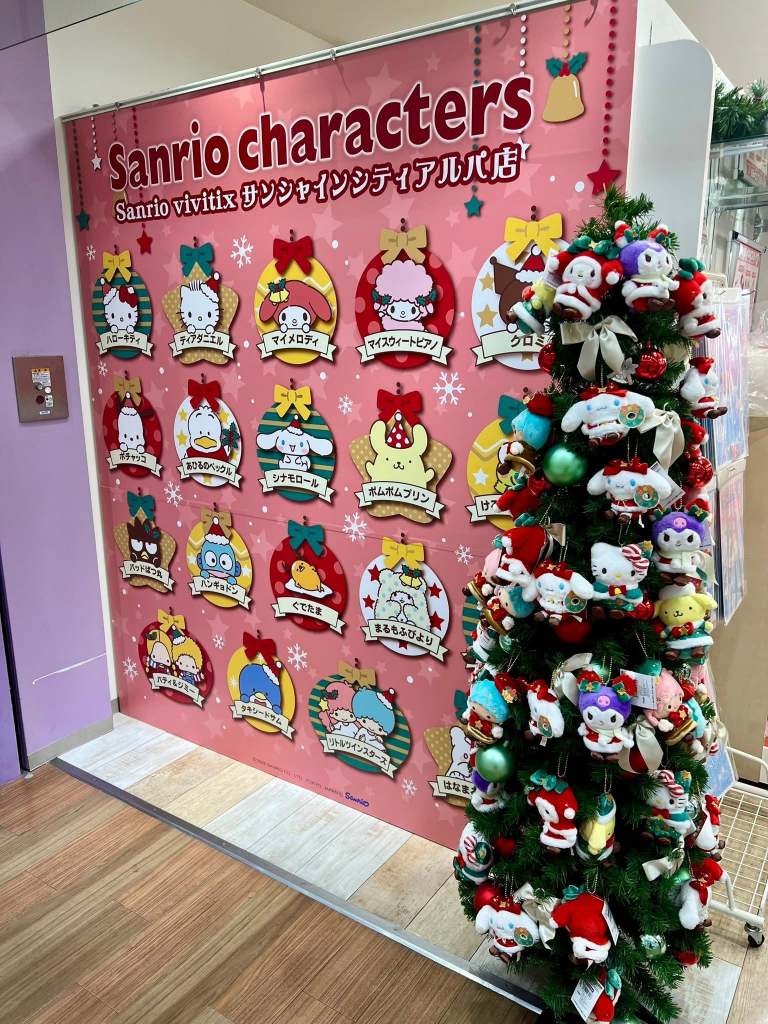
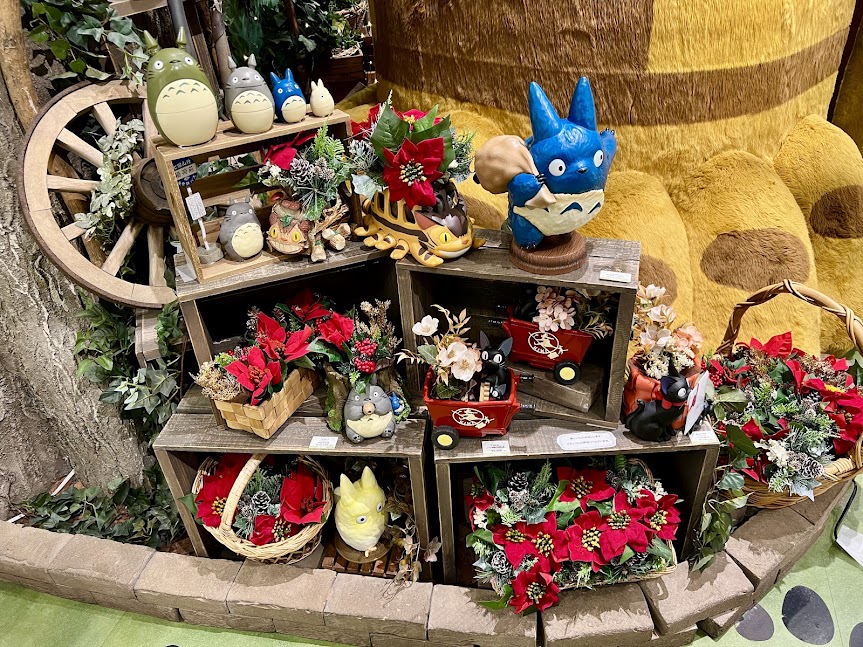
    Sunshine City had more things that appealed to me personally than Akihabara did. I shopped for Nommis and other plush pendants, popped into the Sanrio store, and visited the biggest Pokemon Center that I have ever seen by a very wide margin. There were themed cafes, a Miffy store, and no shortage of all kinds of other adorable character merchandise. I really love large indoor malls, and Sunshine City was among my favorites that I got to explore while in Japan!
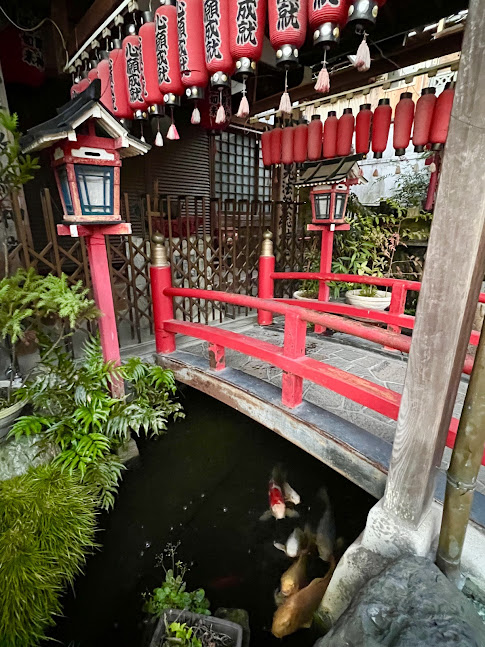
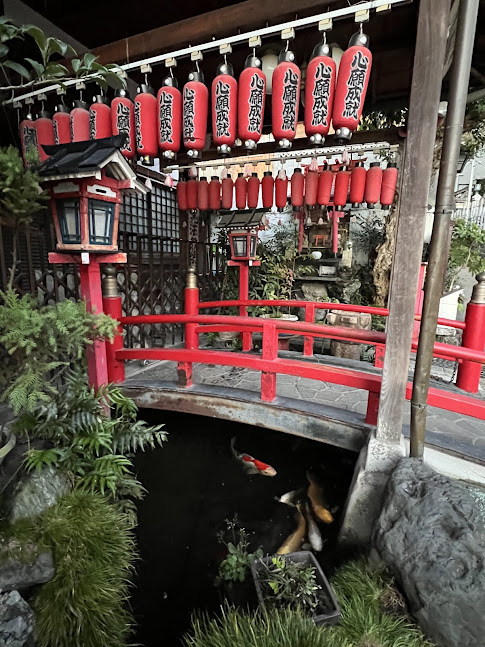
    The vibe of Ikebukuro isn’t quite as energetic or flashy as Akihabara. It seems to cater to a slightly different demographic. In Ikebukuro, you can slow down and take it all in. The vibe is more leisurely, polished, and maybe even a bit more upscale given the amount of nice department stores and licensed character stores (Pokemon Center, Miffy, Sanrio). It is not quite as unique as Akihabara, and it is definitely a bit more commercial, but it offers a broader mix of shops, dining, and experiences.

    So, Which One Should You Visit?

    The good news is that you really can’t go wrong with any of these 3 wonderful neighborhoods! If it’s your first trip to Tokyo, I’d probably prioritize Shibuya just for how iconic and high energy it is. It’s packed with sights and experiences that remind you that you’ve arrived in one of the world’s greatest and largest cities.

    If you’re a gamer, collector, or hobbyist, and you intend to arrive in Japan with a half-empty suitcase to fill up with figures, manga, and collectibles, I wouldn’t miss out on Akihabara. Do your research though, because Ikebukuro offers some stiff competition to Akihabara when it comes to shopping and pop culture. It may even have more shops and experiences that align with your interests than Akihabara. Between these two neighborhoods, I would say that which one you visit is entirely dependent upon your individual goals and interests. They are similar in some ways but they are also delightfully different.

    Wherever in Tokyo you find yourself on your visit to Japan, I promise it will be a trip to remember.

  • Why Fushimi Inari Taisha Is One Of My Favorite Places In Japan

    Why Fushimi Inari Taisha Is One Of My Favorite Places In Japan

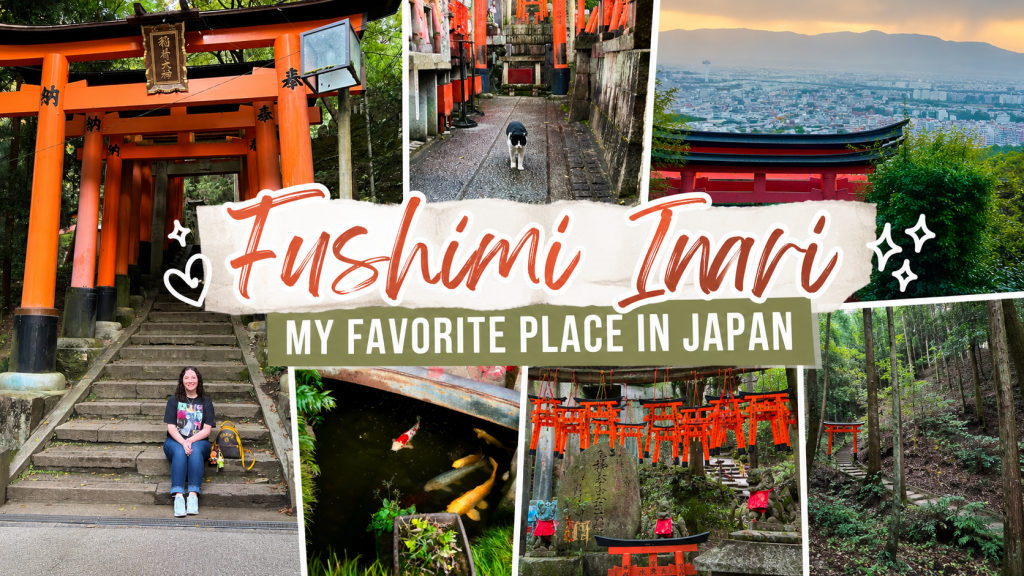
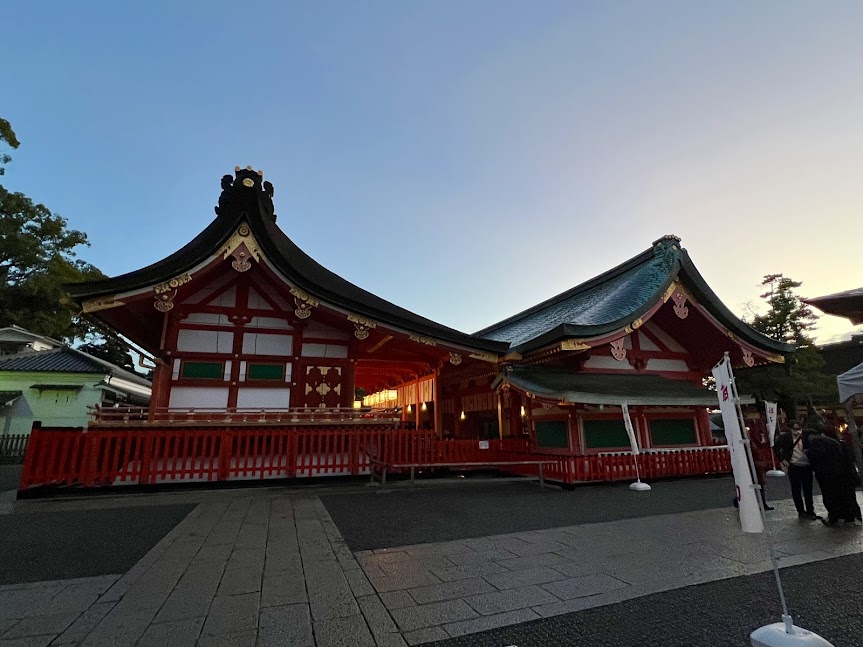
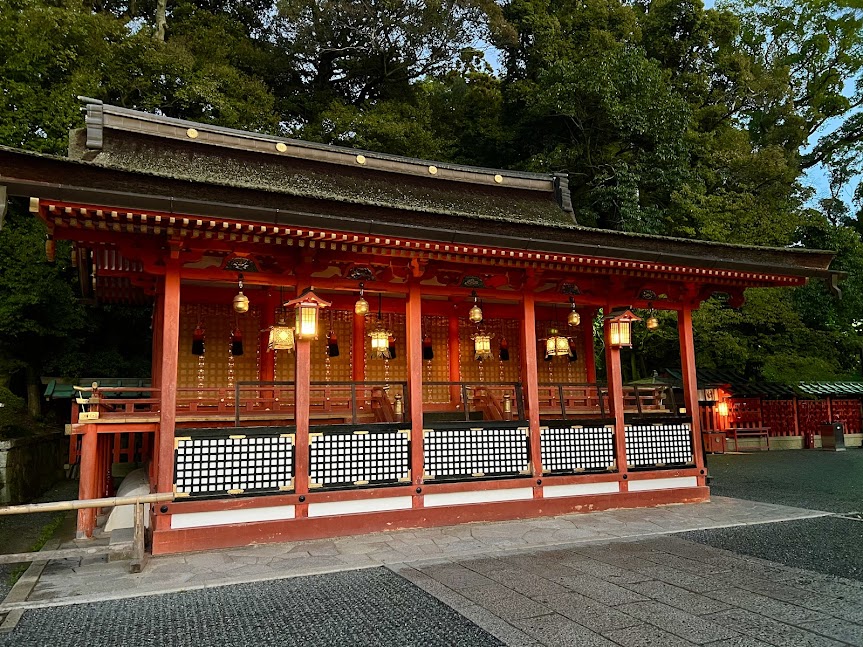
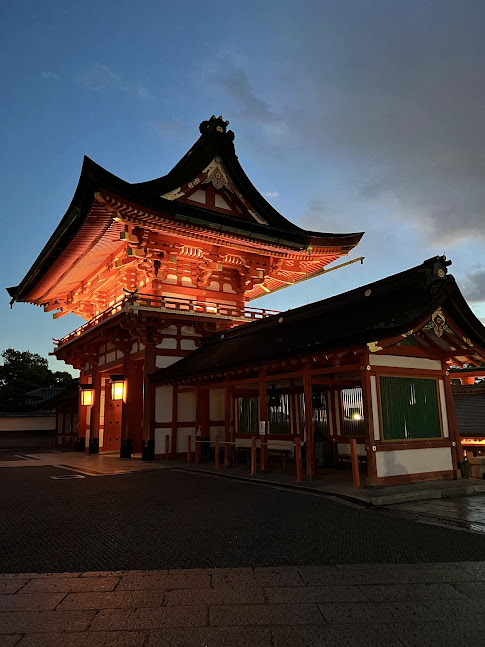
    Of all the incredible places I’ve been lucky enough to visit in Japan, Fushimi Inari remains one of my favorite memories. Like many travelers, I had seen photos of the thousands of bright red torii gates and heard how beautiful, vast, and majestic it is, but experiencing it in person was something else entirely. I will remember it for the rest of my life. As such, it just wouldn’t feel right to have a travel blog without dedicating a page to Fushimi Inari!

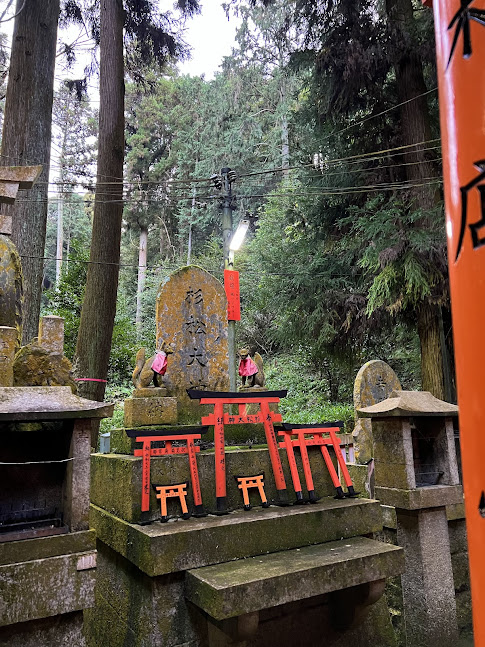
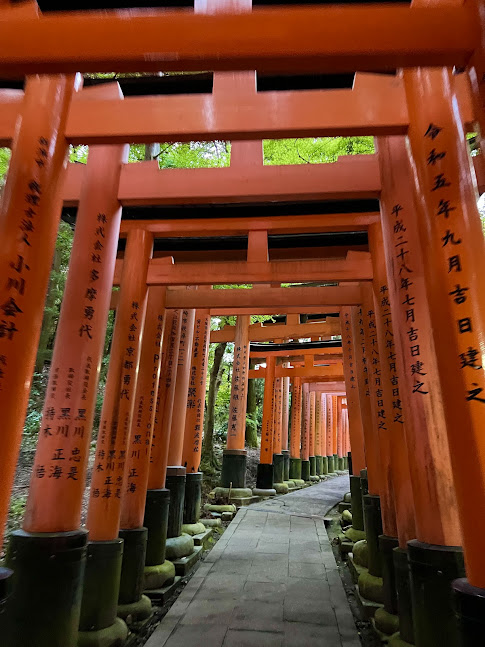
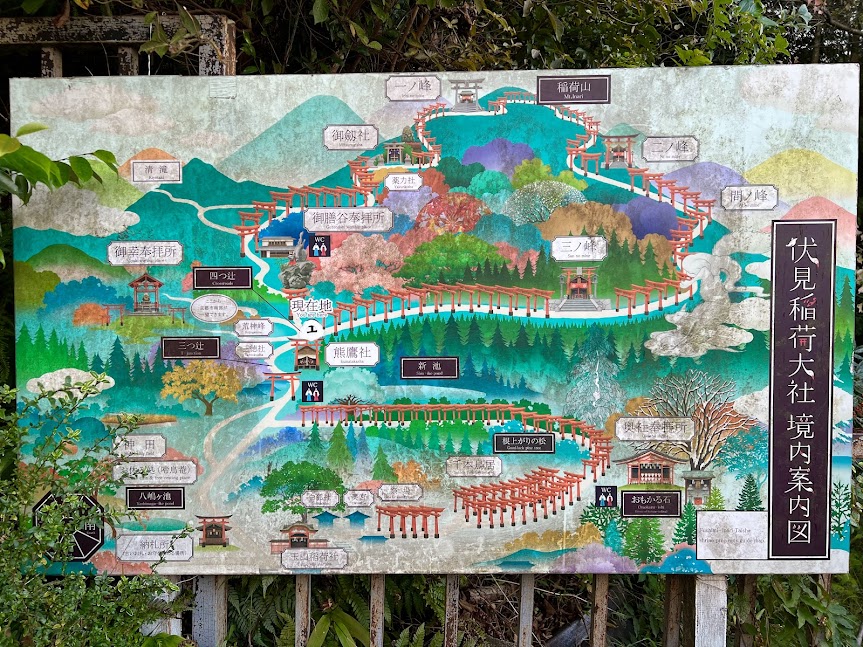
    Fushimi Inari Taisha is the head shrine of the Shinto god, Inari. It’s located in southern Kyoto, Japan, and it is famous for its thousands upon thousands of torii gates that line the many trails that lead to the top of Mount Inari. It is a popular tourist destination, so the lower paths get very crowded in the afternoon. Many people don’t hike all the way to the top- an endeavor that can take around 3 hours.

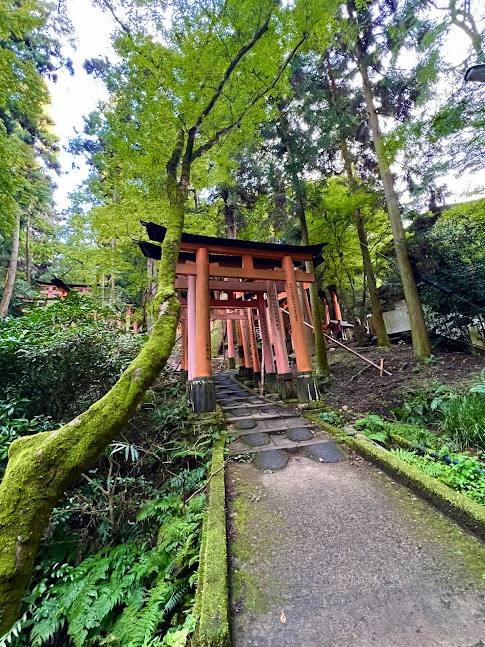
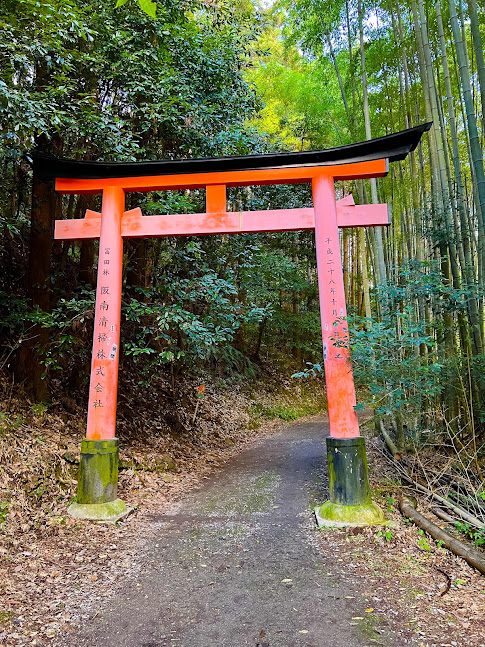
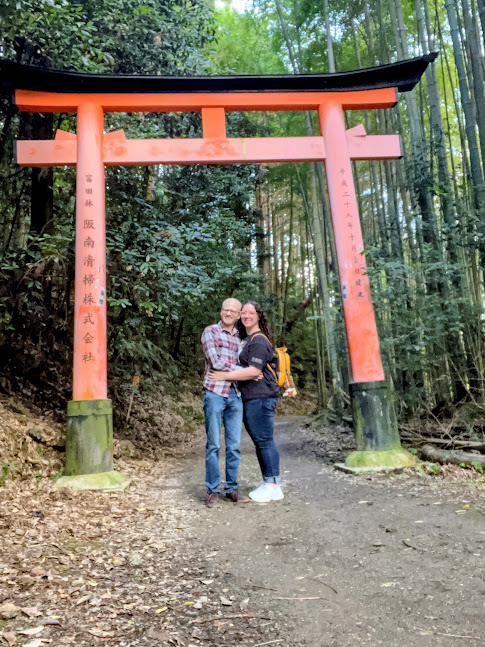
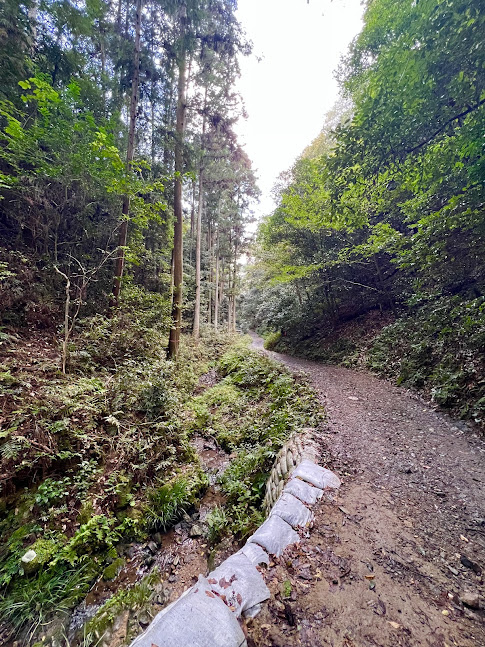
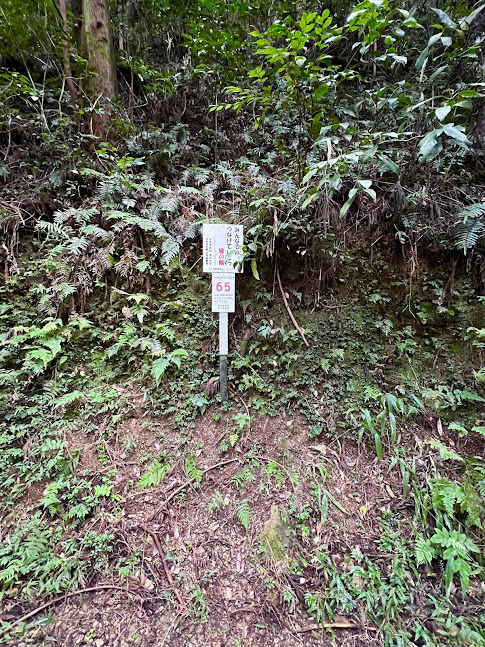
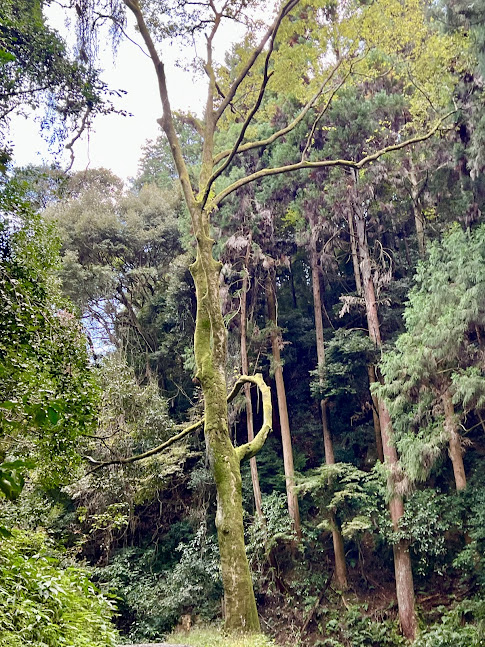
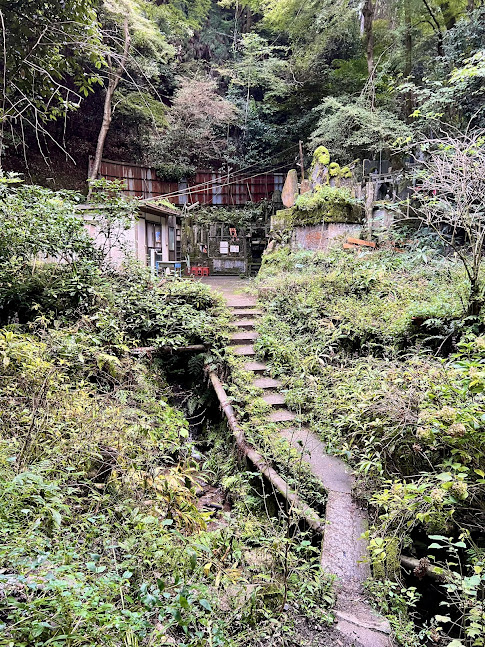
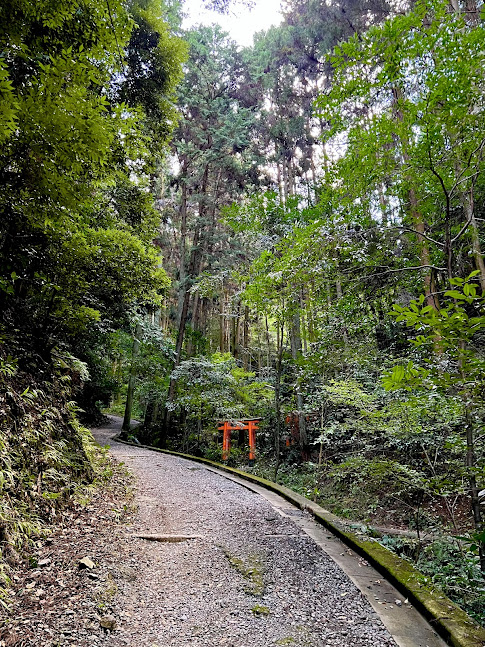
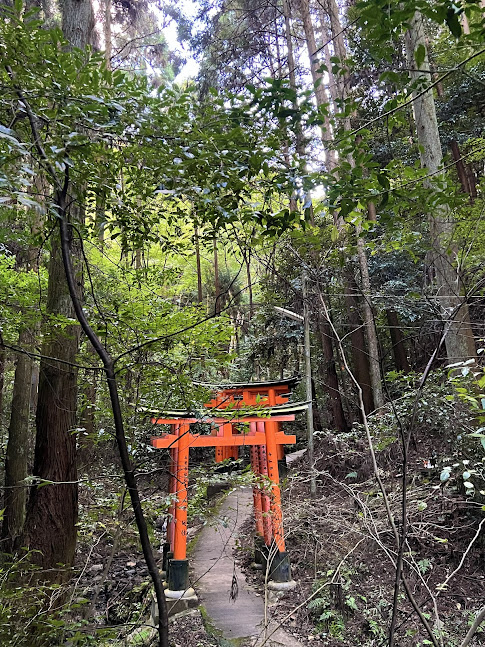
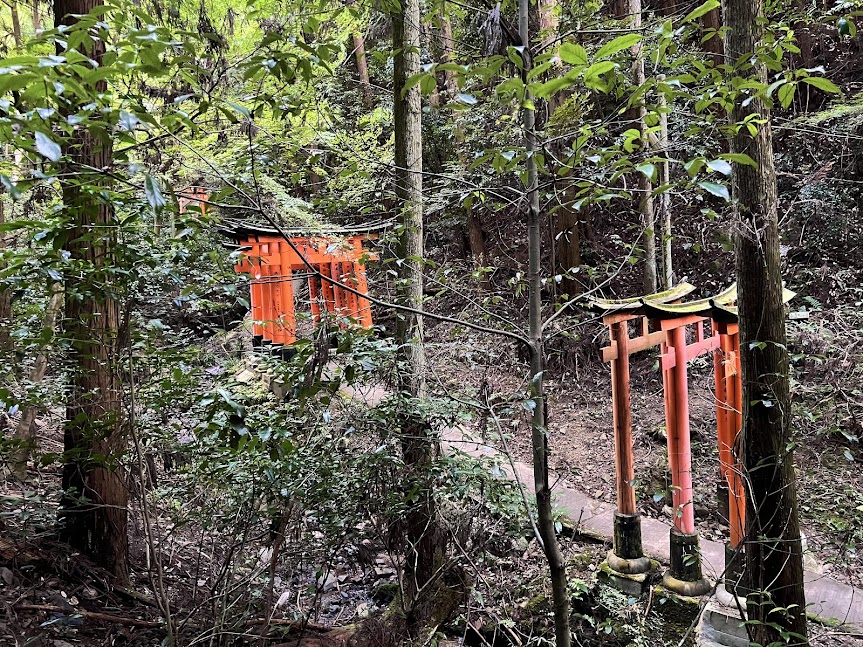
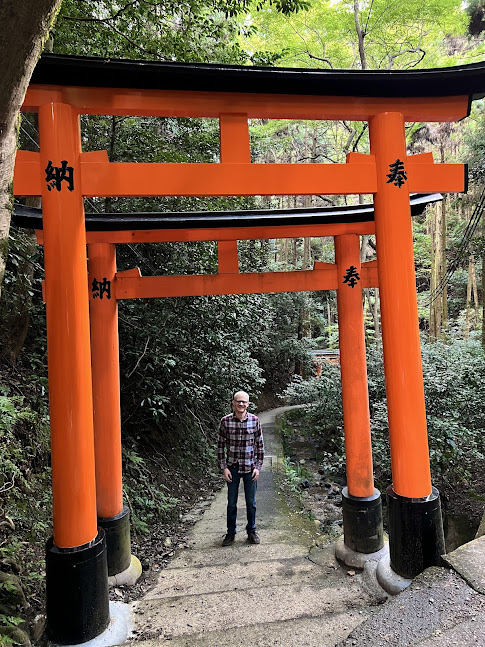
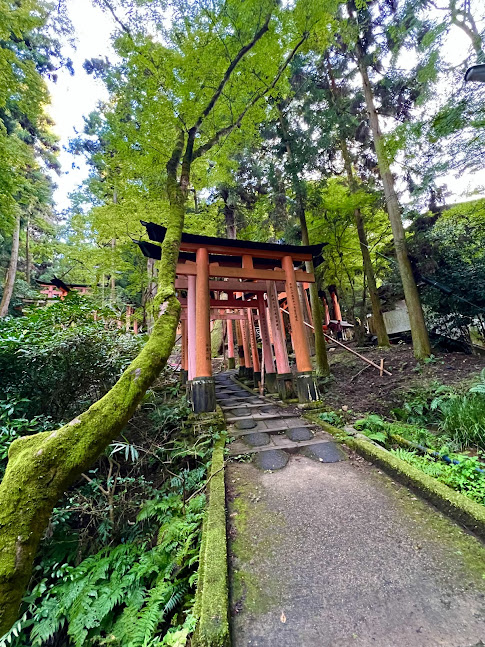
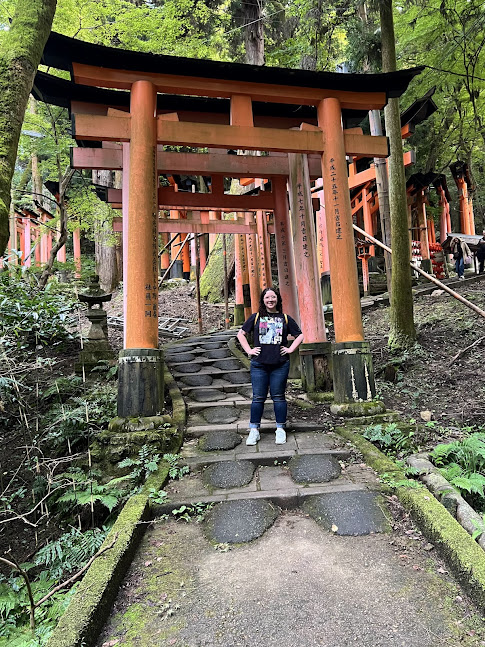
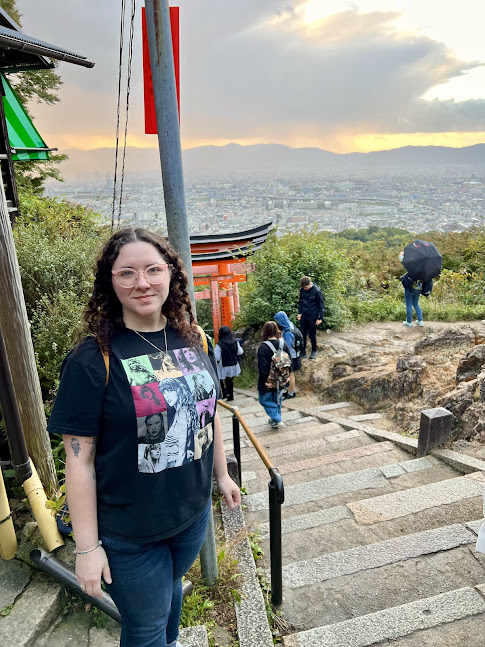
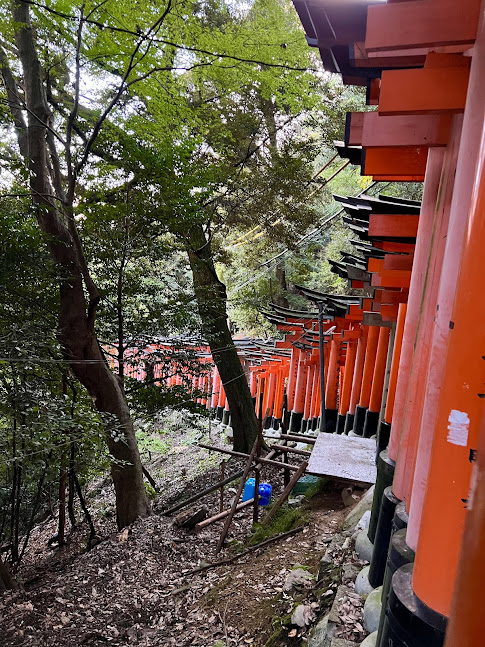
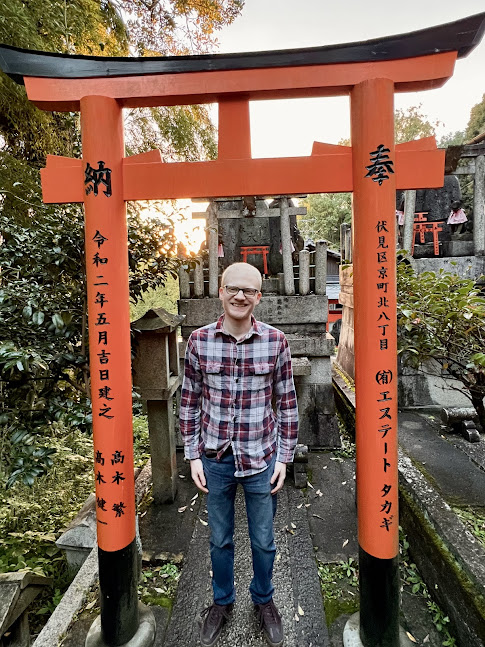
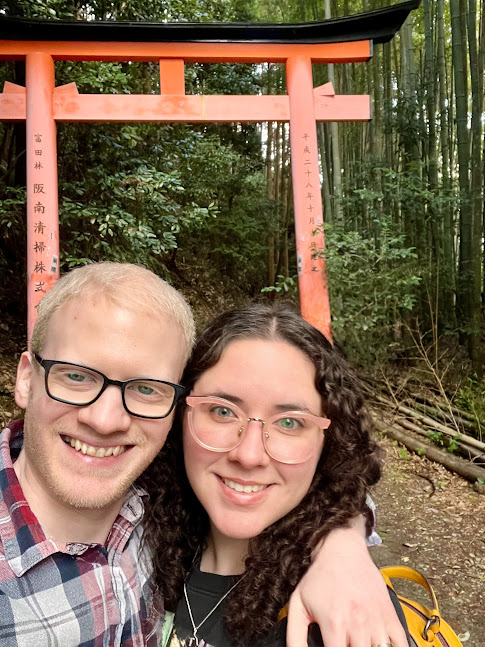
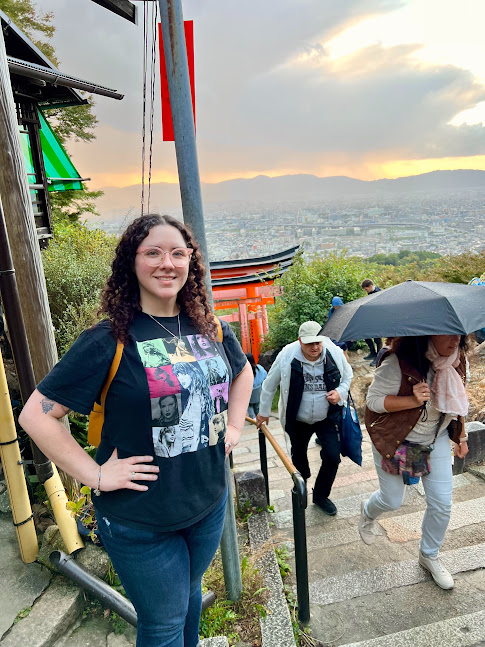
    What made our visit to the shrine especially memorable was the somewhat unusual and lesser-known-to-tourists way that we entered. Before our trip, my husband Tim found an alternate trail online that leads into the shrine from the side instead of through the main entrance. We took a taxi to the beginning of the trail and entered into the shrine that way! Doing this allowed us to reach a higher point on the mountain than many people are willing or able to walk to, and we were completely alone on that first trail! It was our third full day in Japan, and the experience of wandering through the quiet and peaceful forest felt like exploring a hidden gem. We got to really take our time and we ended up with some beautiful pictures of just the two of us under some of the bright red torii gates.

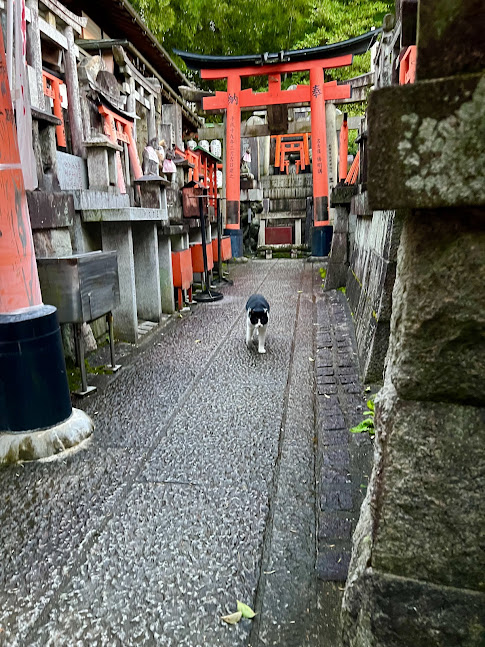
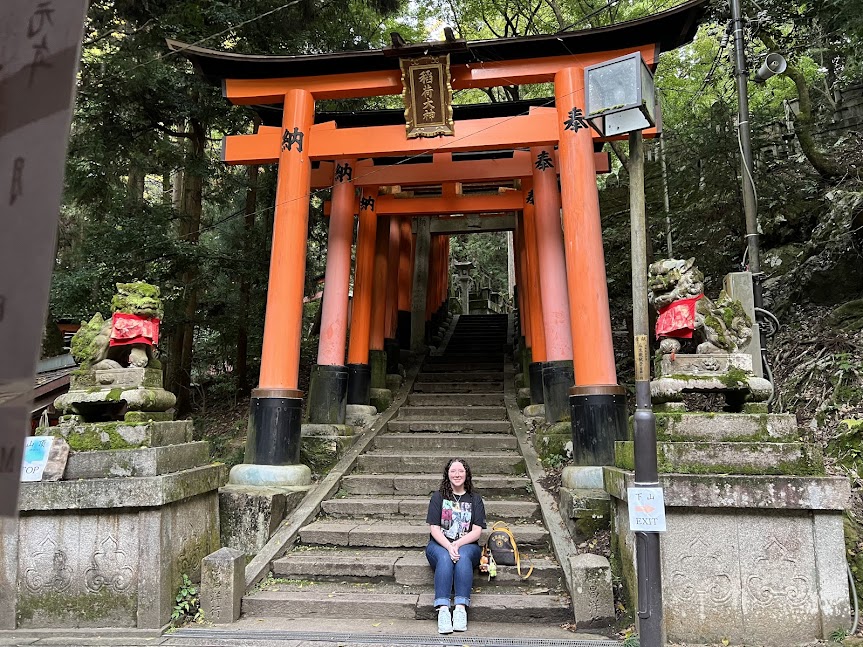
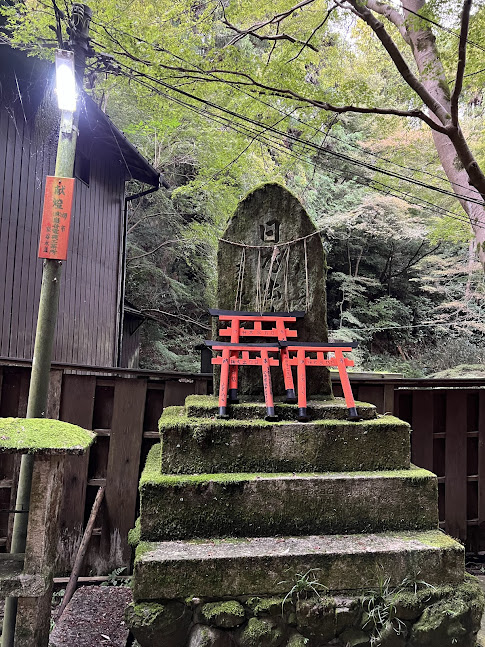
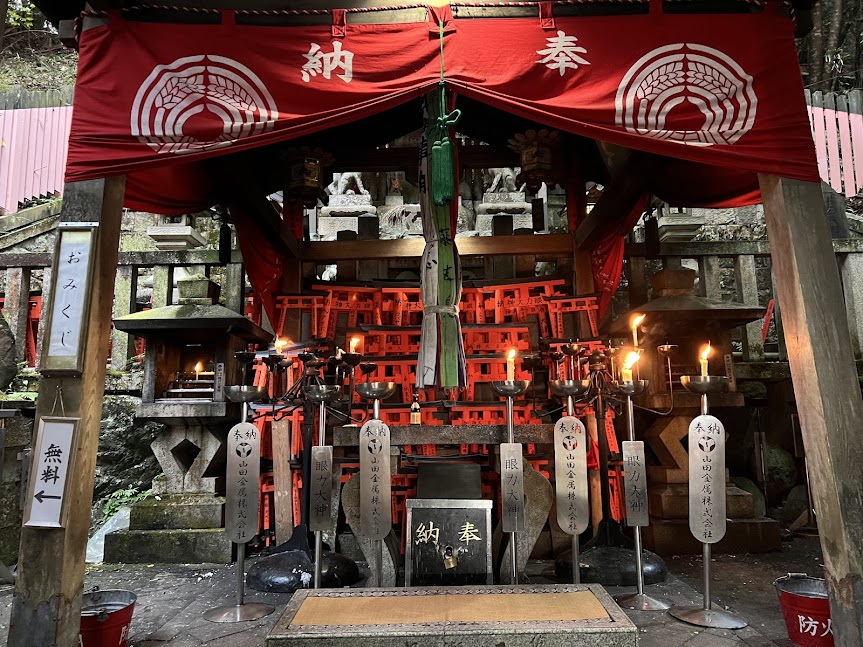
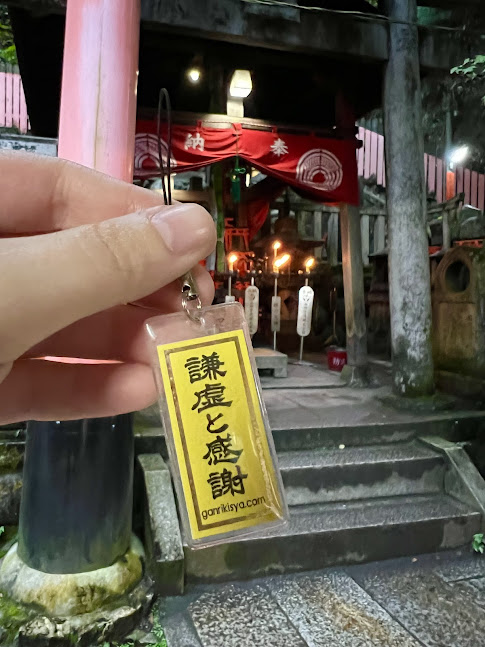
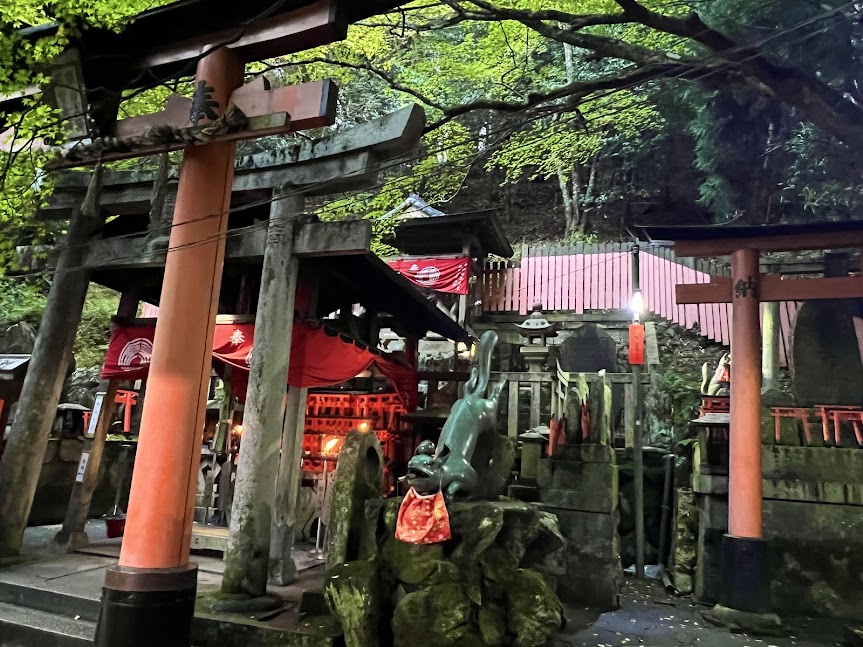
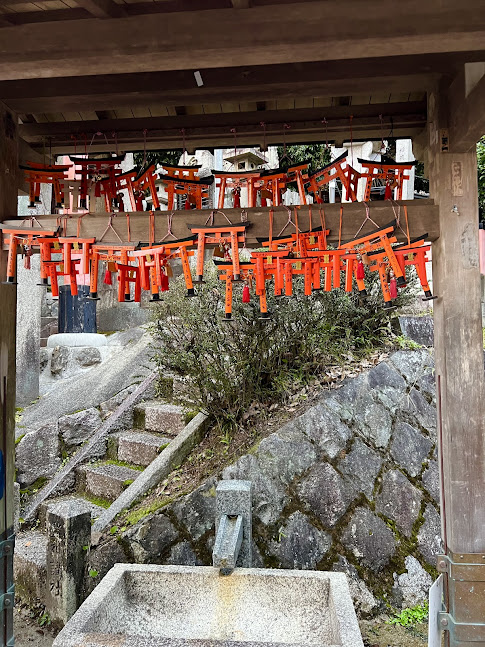
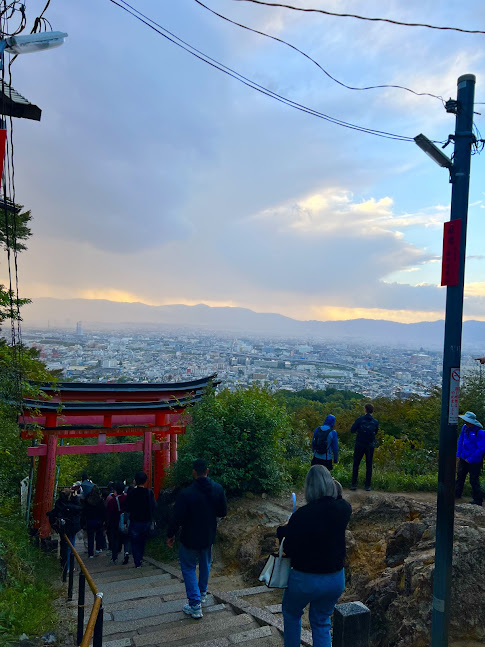
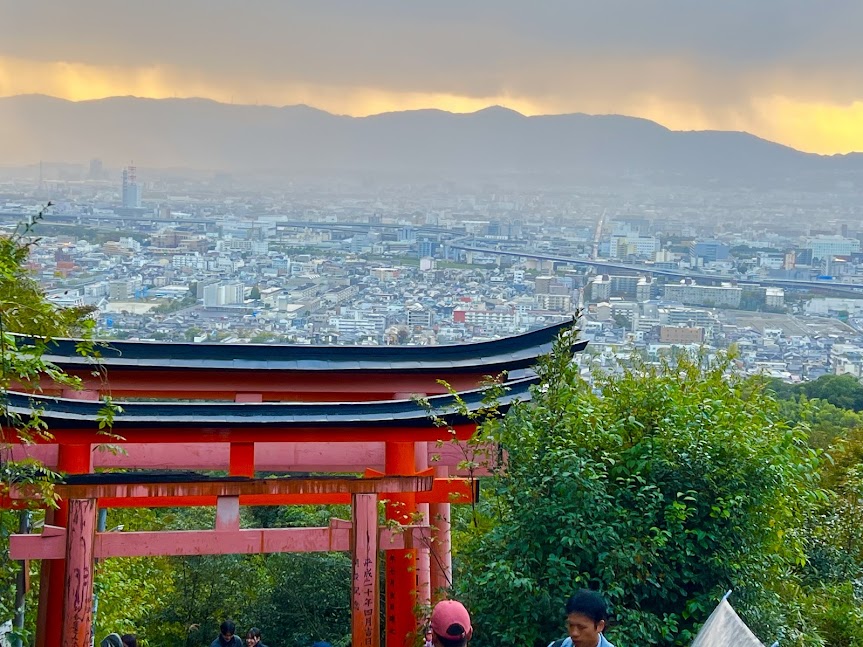
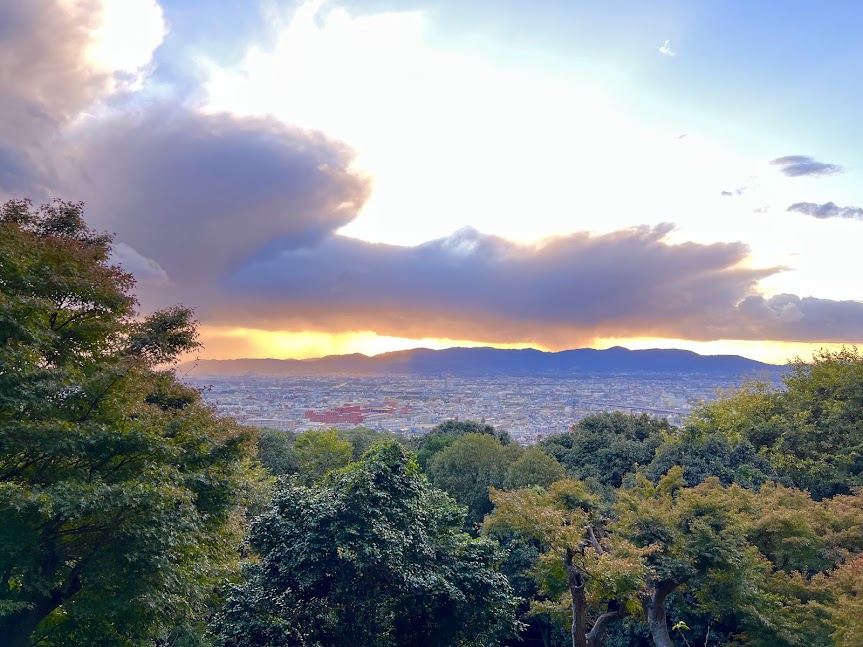
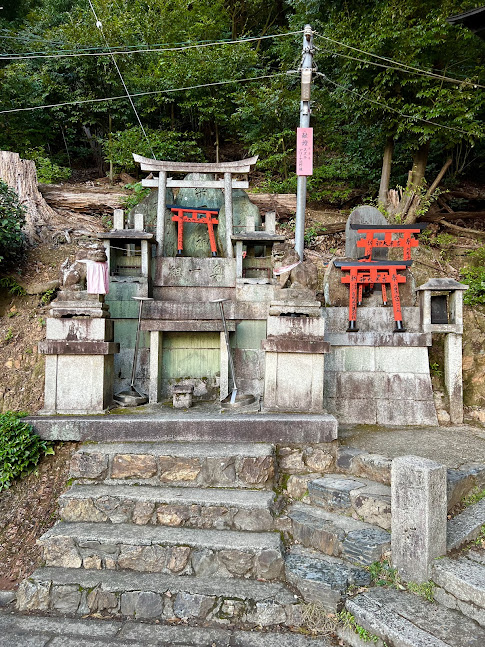
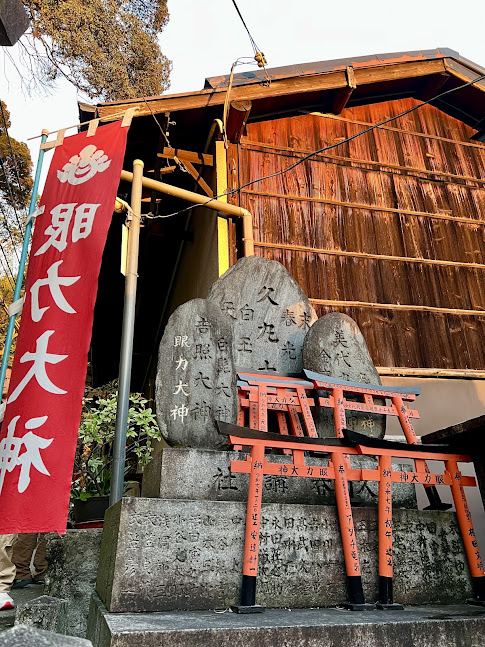
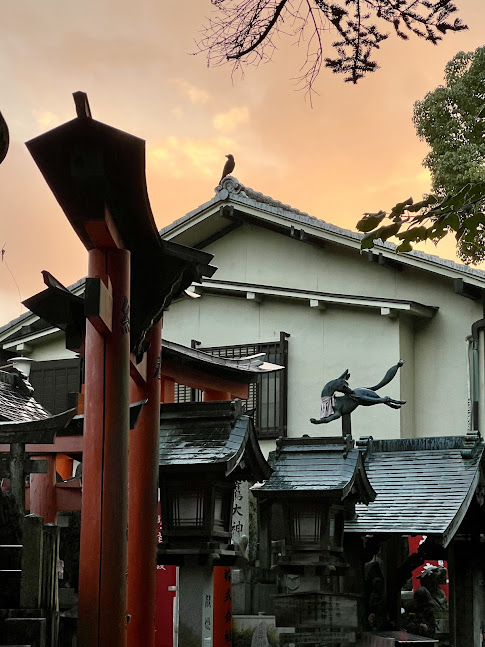
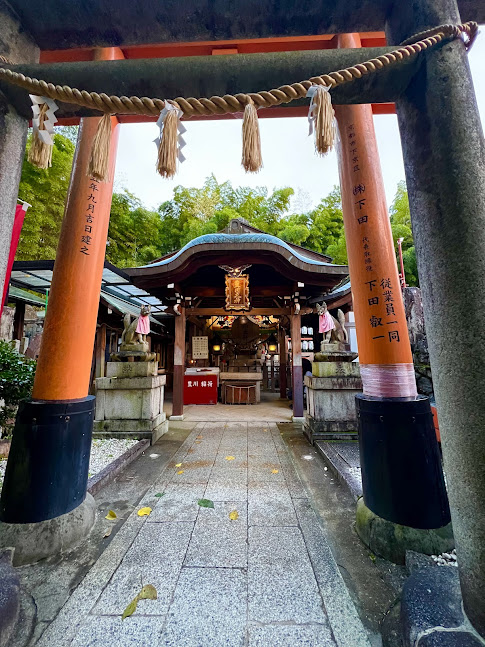
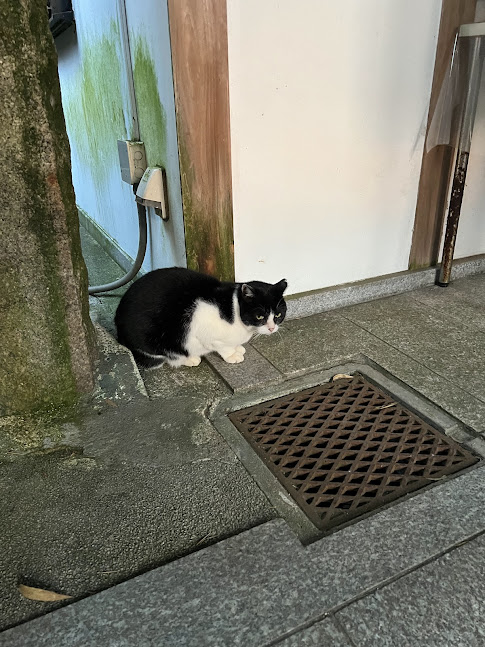
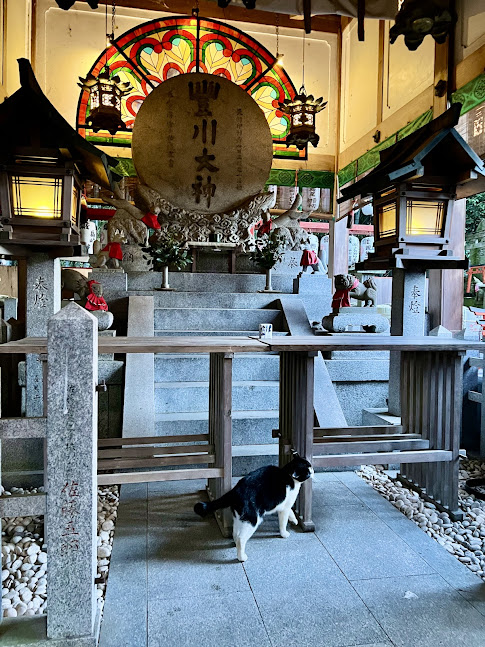
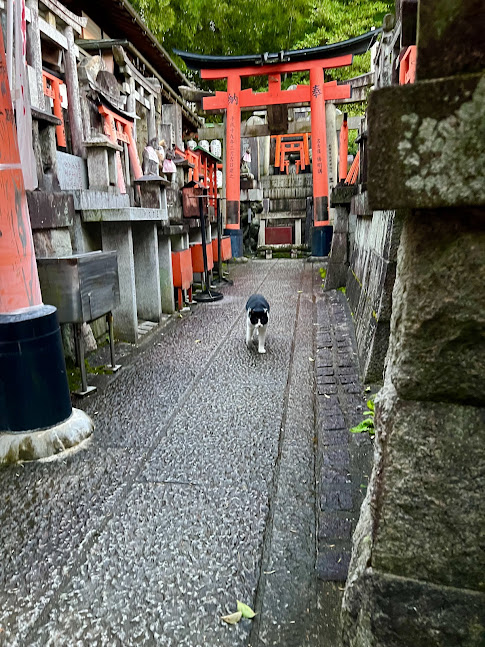
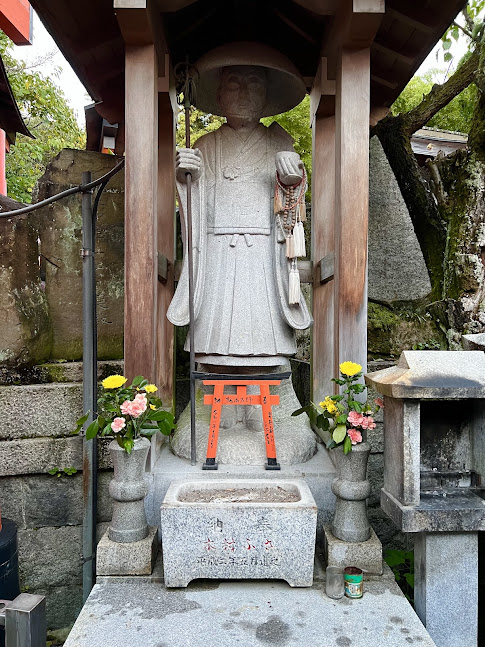
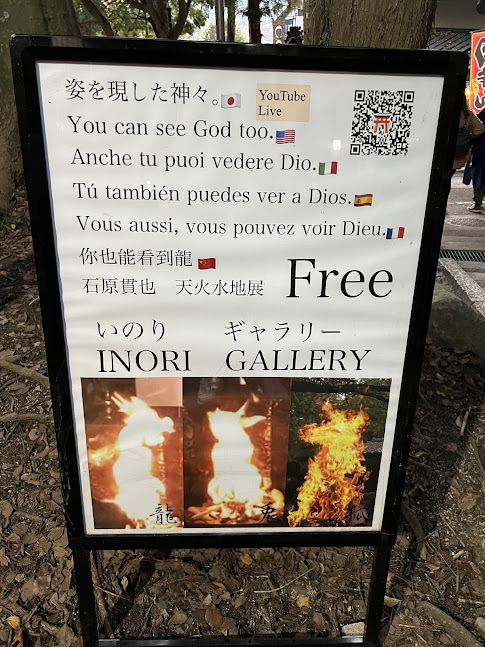
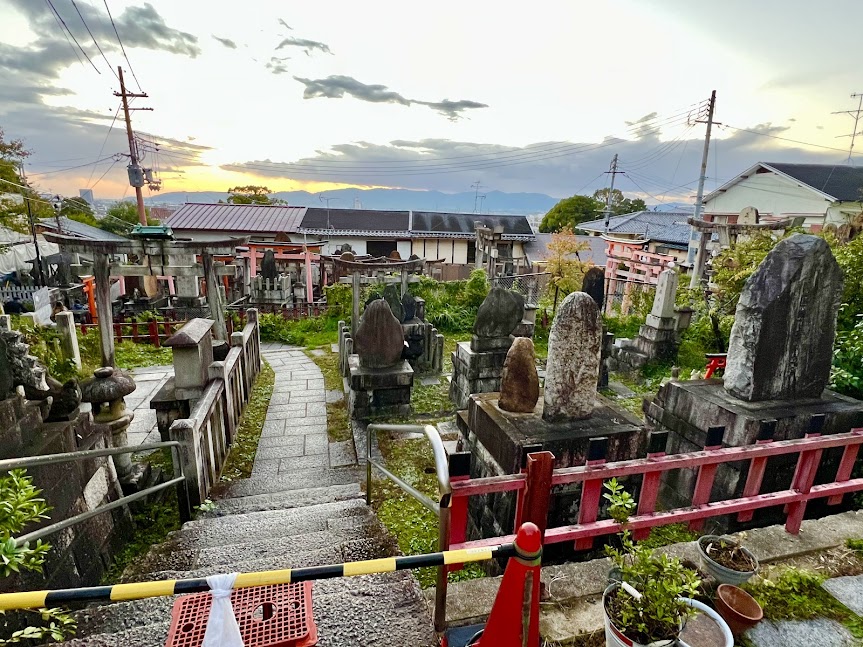
    When we got to the main trail, we started working our way down. And the further we walked, the more I came to realize that Fushimi Inari is so much more than the iconic tunnel of gates spread across the mountainside that it is so well known for. There are also smaller shrines, fox statues, koi fish ponds, cats, stone lanterns, and beautiful views of Kyoto. Everywhere I looked, there was something new to admire. Some of my favorite moments were the little surprises along the way. A bright red bridge, tiny torii gates, a friendly black and white cat we saw wandering through one of the shrine paths, and a very nice lady who was selling good luck charms. I bought one, and she blessed it with a flame.

    If I have one piece of advice for anyone visiting Fushimi Inari, it’s this: don’t just walk through the first section, take a few photos, and leave. Keep exploring. Whether you start at the main entrance and hike up the mountain, or utilize some of the lesser known walking trails to access the shrine like we did, it’s worth it to see as much of the shrine as you are able. Don’t push yourself too hard, or make yourself so tired that you are unable to enjoy yourself, but try to see everything that you can within your ability. I can honestly say that I’ve never seen anything like it. The atmosphere, all the big and small details, the sheer amount of culture and history to soak in make Fushimi Inari truly beautiful. It feels so magical.

    Fushimi Inari is one of the first places I think about when I start daydreaming about Japan (which is quite often!). I can’t wait to go back one day. It has a piece of my heart forever.

  • 10 Tips For Your First Trip To Japan

    10 Tips For Your First Trip To Japan

    Planning my first trip to Japan was as exciting as it was overwhelming. There is so much to see and do, and it’s easy to worry about everything that could go wrong, or like you have to cram as much as you possibly can into a single itinerary.

    After spending 18 days traveling through Tokyo, Kyoto, Osaka, Nagoya, and Nara, I came home with a few lessons that I wish I’d known before I left. If you’re planning your first visit to Japan, here are my biggest tips.

    1. Plan A Rest Day If You’re Visiting For Two Weeks Or Longer

    If you’re walking 20,000+ steps per day, navigating busy train stations, traveling between cities, and constantly taking in new sights, it catches up to you. Traveling and sight seeing is truly amazing, but it is also very exhausting.

    About halfway through our trip, I kind of hit a wall. For a couple days, I was extremely tired and burnt out. We didn’t plan a slower itinerary or a rest day around the middle of our trip; instead, we visited three theme parks almost back to back: Nagashima Spa Land in Nagoya, Ghibli Park in Nagoya, and Tokyo DisneySea. While I still had a great time, I felt like I wasn’t able to enjoy some of the attractions quite as much as I would have liked, particularly the large and sprawling Ghibli Park. At the end of our visit to Ghibli Park, it was time to walk over to the area of the park to see the Whisper of the Heart attractions, including a replica of the antique shop that is a focal point of the film. Whisper of the Heart is my favorite movie, and instead of being as excited as a little kid on Christmas Eve, I considered skipping the trek to that area! Thankfully, my husband talked some sense into me and we went. I am so glad because I had an amazing time exploring that antique shop. I even got a little emotional at times because Whisper of the Heart has meant a lot to me over the years!

    Point being, the exhaustion of a packed itinerary is no joke! Plan a rest day or a couple of slow paced days in the middle of your itinerary so that you can recharge. Your body will thank you. It’s better to have one slow day, or one day with not much planned, than to spend 3 days not enjoying yourself to the fullest. Give yourself permission to slow down so you can enjoy the rest of your vacation.

    2. Use Google Translate’s Camera Feature

    Google translate was probably the most useful app on my phone during my trip to Japan, largely due to the camera feature.

    The camera feature in Google Translate allows you to point your phone at menus, signs, museum information, product labels, and more. It will display the translation over the Japanese text. I used it constantly throughout our trip. It came especially in handy when I needed to purchase ibuprofen for a headache. The drug store I went to had hundreds upon hundreds of products, and, obviously, none of the labels were written in English. It was also quite useful while leafing through restaurant menus. Use the technology you have at your fingertips to make your trip as smooth and seamless as possible!

    3. You Only Really Need To Know A Few Basic Japanese Phrases

    Before our trip, I was worried that the language barrier would make traveling difficult. I even purchased a deck of flash cards containing a bunch of common Japanese words, phrases, and questions. I have also had several friends ask me how I was able to spend so long in Japan without knowing the language. This seems to be a common point of stress and worry among travelers, and I can see why!

    In reality, learning just a handful of phrases went a long way. The ones I used the most often were:

    -Hello (Konnichiwa)

    -Thank you (Arigato gozaimasu)

    -Excuse me (Sumimassen)

    -Please (Onegaishimasu)

    The most interactions you’ll have as a tourist are with cashiers, restaurant staff, hotel employees, and transportation workers. I rarely had to say much more than these few phrases. When I did, I spoke into Google Translate and showed whomever I was speaking to the Japanese translation on my phone screen. Everyone I spoke to was very patient and kind. Don’t let a language barrier keep you from visiting Japan!

    4. Spend More Time In Fewer Places

    This is actually my husband Tim’s best piece of Japan travel advice.

    While planning a trip to Japan, it’s tempting to try to squeeze in as many cities as possible. But instead of asking yourself, “How many cities can I visit?” ask, “How much can I experience?”

    Tokyo is a perfect example. We spent 9 of our 18 days there, and we didn’t even scratch the surface. Tokyo is one of the biggest cities in the world, and you should treat each of its many neighborhoods as separate cities. There is so much to see in Tokyo that you could live there for YEARS and still have so much to see and experience. You don’t have to take every possible day trip from Tokyo just to check more cities off your list. If you take this approach, you will spend a sizable portion of your vacation on a train or bus! Cut some of the day trips, and explore some of Tokyo’s many, many neighborhoods. We visited Shibuya, Shinjuku, Toyousu, Shiodome, Ikebukuro, Akihabara, Odaiba, Ginza, and more. Each neighborhood has its own personality and could easily fill a whole day.

    Quality beats quantity every time. On your first trip to Japan, make sure you don’t neglect one of the most impressive and awe inspiring cities in the world. Take your time in Tokyo.

    5. Let Google Maps Handle Public Transportation

    Japan’s train system has a reputation for being intimidating, but Google Maps made it surprisingly manageable.

    The app doesn’t just tell you which train to take. It tells you which platform to go to, when the train leaves, where to transfer, and how long each part of your journey will take. We relied on it every single day!

    If you have Google Maps and a reliable data plan, navigating Japan becomes a lot less complicated than many first-timers expect. We did make an error or two in our travels, but we were able to course correct fairly easily and without losing too much time. I can’t imagine taking the trip we did without it.

    6. Star Places On Google Maps Before You Go

    This is another tip I learned from Tim, and it completely changed how we explored.

    Before the trip, we starred attractions, shops, restaurants, and other areas of interest to us. That way, whenever we found ourselves with extra time, we could simply open Google Maps and see what was close by!

    Some of our favorite discoveries happened because of this approach. Instead of strictly following a rigid itinerary or, conversely, wandering around aimlessly, we were able to wander while knowing there was always something interesting nearby.

    7. Make Time For Your Own Interests

    Your itinerary doesn’t have to look like everyone else’s! Tokyo is enormous, and there is truly something for almost every hobby imaginable.

    As a huge K-pop fan, I loved exploring Shin-Okubo, Tokyo’s Koreatown. I browsed K-pop stores and hunted for albums, photocards, and niche merchandise. (Read more about my K-pop adventures in Japan here!) I also stumbled across stores dedicated to everything from ball-jointed dolls to Lolita fashion to tabletop miniature painting. I visited themed cafes, Ghibli stores, and niche museums. Some of my favorite memories came from the things I did that wouldn’t be on a typical “Top 10 Things to do in Tokyo” list. I recommend opening Google and seeing what’s out there for your hobby or interest!

    8. Leave (Or Make) Room For Souvenirs

    If this is your first trip to Japan, there’s a good chance you’ll come home with a lot more souvenirs than you anticipated.

    Many people visiting Japan purchase stationery, anime merch, snacks, clothing, beauty products, kitchen items, and more. In my case, I bought souvenirs for just about every city, attraction, and Tokyo neighborhood that I went to. I also bought gifts for friends and family, as well as a comically large amount of K-pop merchandise! I knew I had run out of luggage space less than a week into the trip.

    An easy solution for me was to buy a huge duffel bag to check on the flight home. I stuffed it full of all of my souvenirs and other purchases. Stores like Don Quijote make this easy. I was relieved to have the extra room when it was time to pack!

    9. Bring A Portable Phone Charger

    Your phone will be working harder while you’re in Japan than when you’re at home. You’ll be using data and GPS throughout the day, translating signs and menus, taking hundreds of photos, filming videos, looking up train routes, and more.

    A portable power bank will give you peace of mind and will mean that you never have to worry about your battery running out halfway through the day.

    10. Take More Photos Than You Think You Need, And Then Take Even More Photos

    This may sound obvious to some, but it needs to be said. Some people don’t think to take a lot of pictures, or are just not inclined to, but it is so important to thoroughly document your trip. I took over a thousand photos and I regret nothing.

    Take photos of the major attractions, but also take photos of your meals, the view from your hotel window, a funny souvenir, a cute looking cafe you happen to walk by. Just take the damn photo. These smaller moments can be just as meaningful as the famous landmarks.

    When I got home, I chose a couple hundred of my favorite picture and had them made into a photo book that I can look back on forever. I framed a few and have them displayed in the living room. Years from now, you’ll be grateful that you took the extra picture. Looking back through them might bring back memories that you would otherwise have forgotten!

    Final Thoughts

    Japan was everything I had hoped it would be and more.

    If I had to sum up my one biggest piece of advice, it would be: don’t try to see everything. Explore neighborhoods instead of racing between cities. Follow your own interests. Make sure to leave some wiggle room and flexibility for unexpected discoveries.

    I hope you find these tips helpful as you prepare for your own trip to Japan. It’s really not as intimidating as you may be thinking. Don’t forget to look up from your itinerary once in a while!

  • 5 Adorable Foods I Ate in Japan

    5 Adorable Foods I Ate in Japan

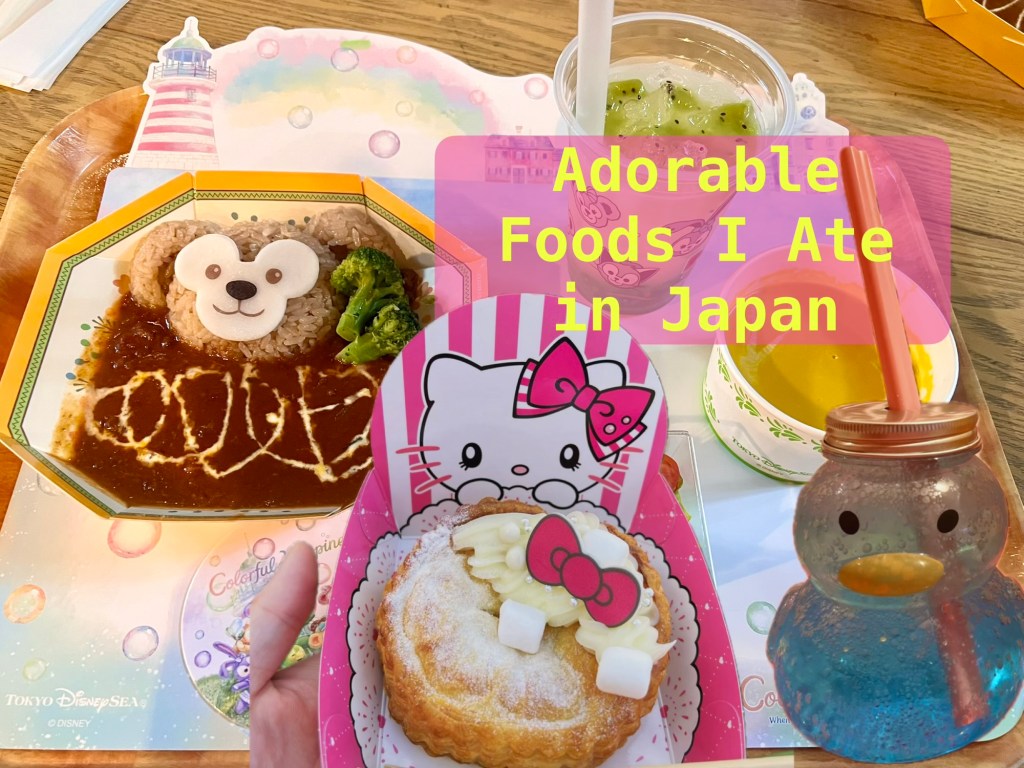
    Japan has a way of turning food into a delightful spectacle, from rainbow colored desserts to themed cafes and character dining experiences. As someone who loves Sanrio, cute cafes, and all things kawaii, I was excited to eat some cute meals during my 18 day trip to Japan! Here are 5 of the cutest foods I ate while visiting last fall.

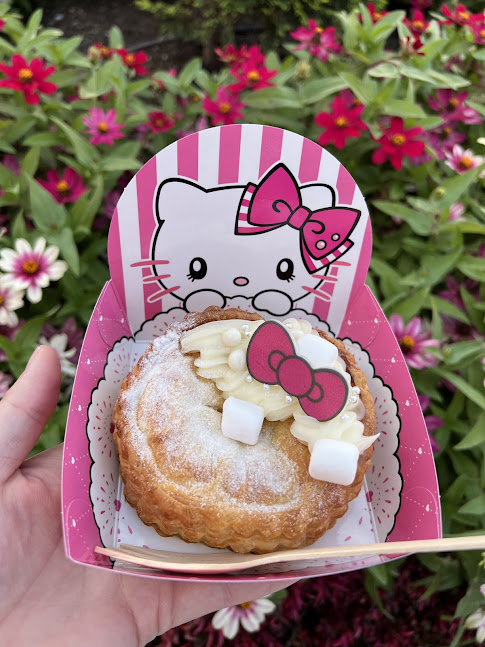
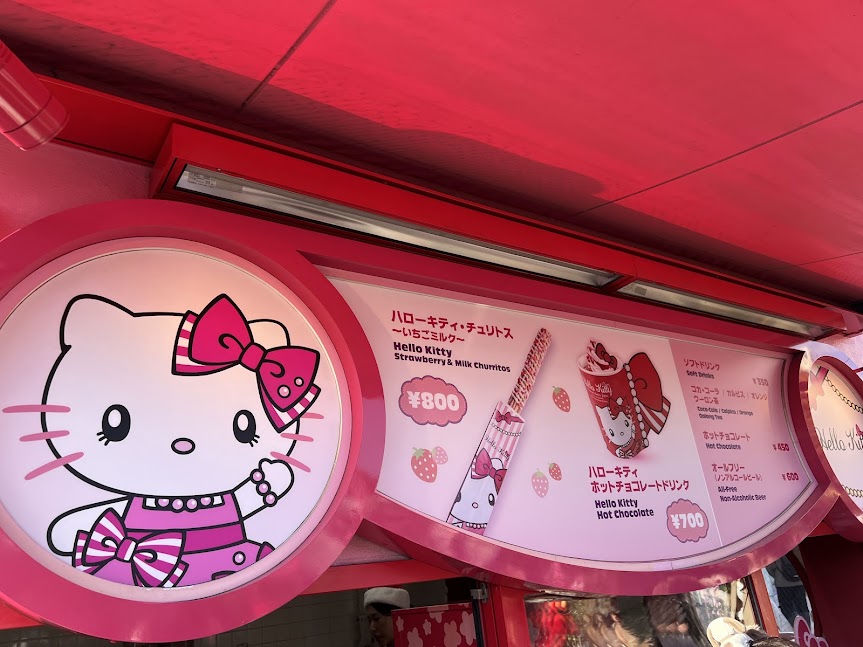
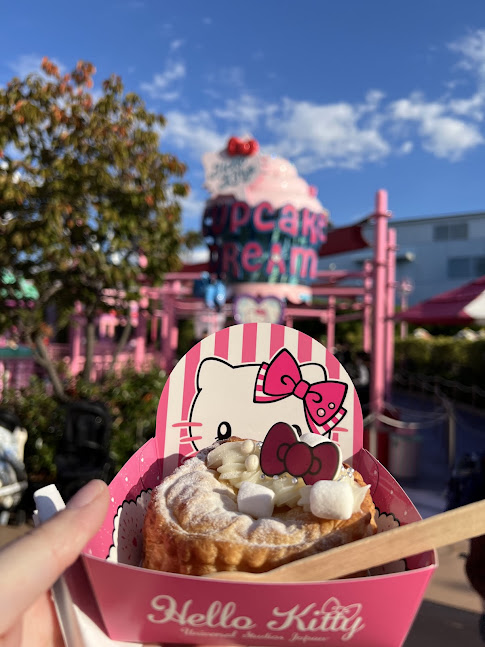
    1. Hello Kitty apple pastry at Universal Studios Japan

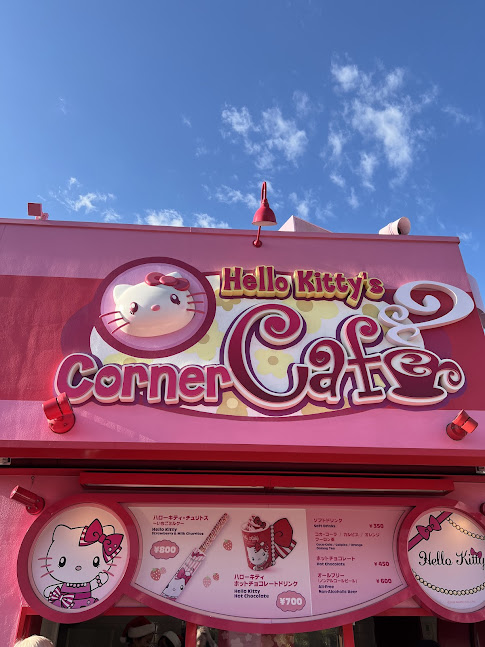
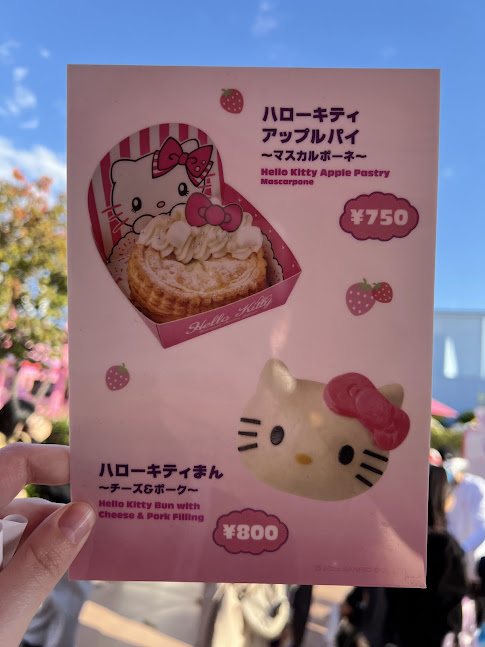
    Universal Studios Japan has a dedicated Hello Kitty area in the park. There is a Hello Kitty bow museum with an opportunity to “meet” Hello Kitty at the end of your visit, a teacup ride, a gift shop, and a food stall called “Hello Kitty’s Corner Cafe”. This is where I picked up this adorable apple pastry with a mascarpone topping. Decorated with a pink bow and pearlescent sprinkles, and placed in a cute pink box depicting Hello Kitty herself, this dessert was a visual delight, as well as very tasty! It was almost too cute to eat (key word: almost!), but my husband and I enjoyed sharing it as a mid-day snack before continuing our adventures at USJ.

    The Hello Kitty area of the park is small but very charming and well themed. I saw lots of Hello Kitty fans in cute HK-themed dresses just hanging out, taking selfies, and snacking on the cute desserts on offer. I wish that Universal in Florida had this much Hello Kitty representation. And yes, I made my husband meet Hello Kitty and ride the teacups with me! Sometimes you just have to fully embrace your inner child.

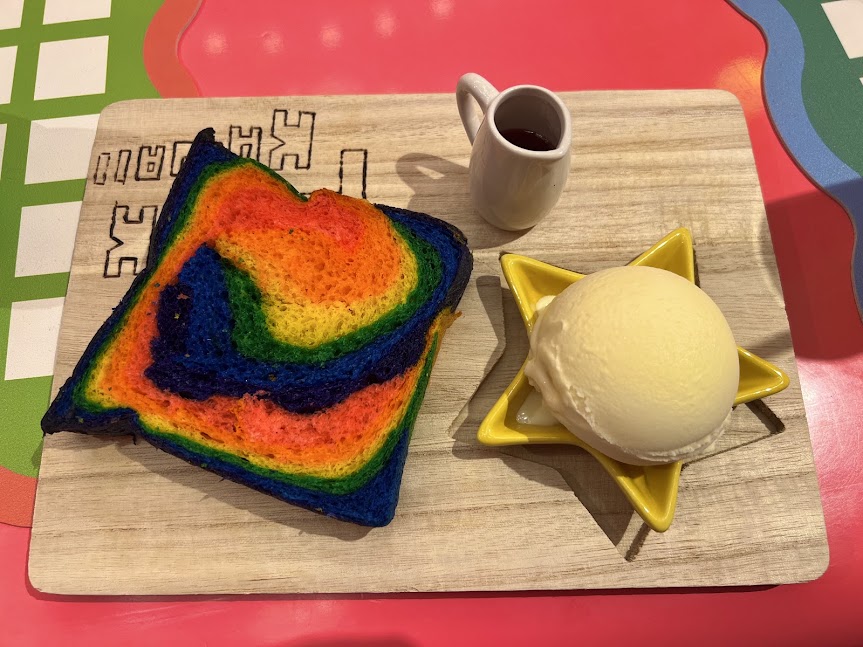
    2. Rainbow French toast at Pink Kawaii cafe

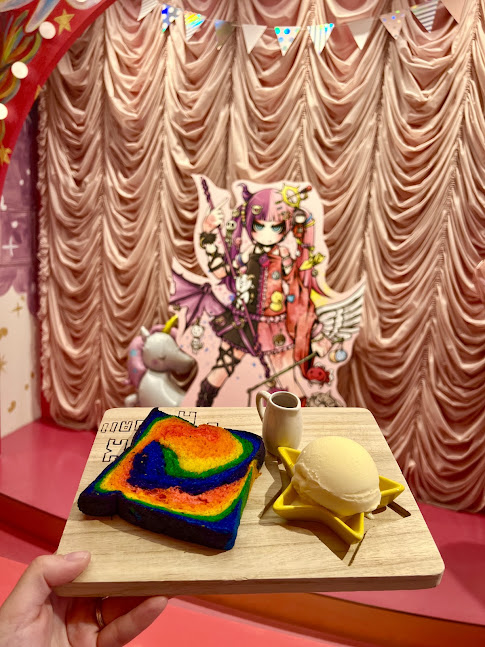
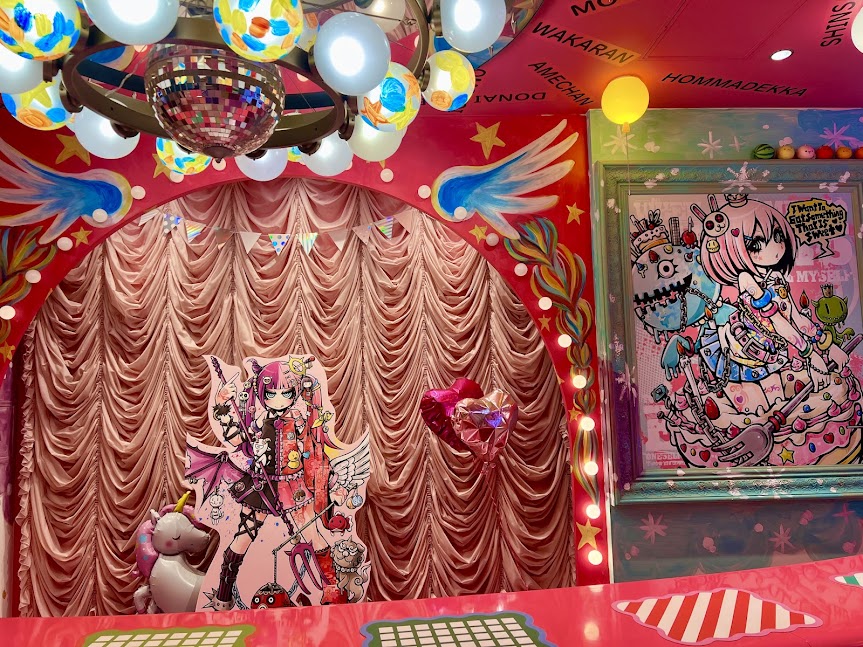
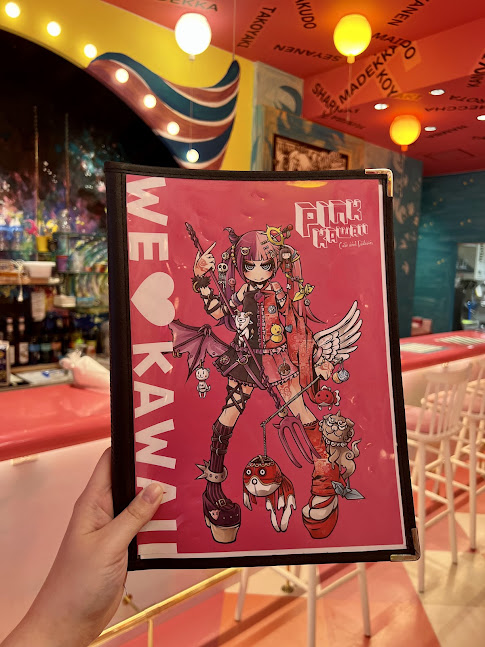
    While exploring Osaka, we stopped into a cafe called Pink Kawaii. The bright colors and over the top presentation made it impossible to resist coming in. This place really committed to the bit, and the execution was on point. While there, we had some cute drinks and one of the most colorful desserts I’d ever seen. And thankfully, it wasn’t just pretty… it was really tasty, too!

    The rainbow French toast we shared was impressively colorful, with saturated rainbow hues swirled into the bread. It also came with a scoop of ice cream served in a star shaped dish, and a cute little ceramic pitcher for maple syrup.

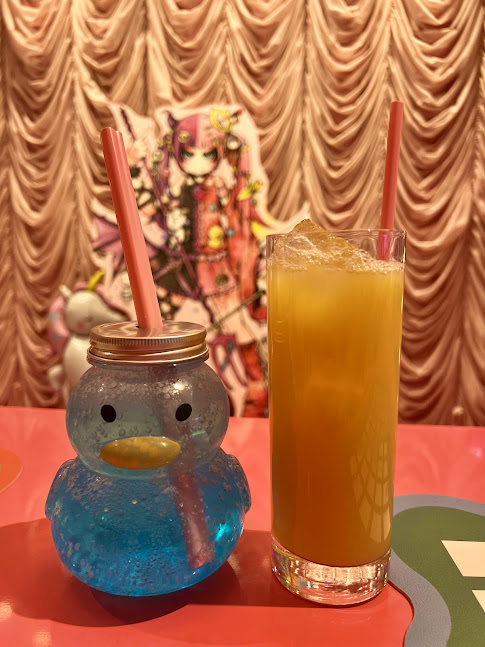
    We also ordered a couple drinks to refresh and rehydrate in the middle of our long day in Osaka. I got pineapple juice, and Tim got some kind of blue soft drink. I can’t remember exactly what it was, but it came in a souvenir cup shaped like a duck that we got to keep as a memento to remember the cafe by. Pink Kawaii is definitely worth checking out if you are a kawaii lover visiting Osaka. The food is good and there are many opportunities to get some very instagrammable shots.

    3. Duffy-themed lunch at Tokyo DisneySea

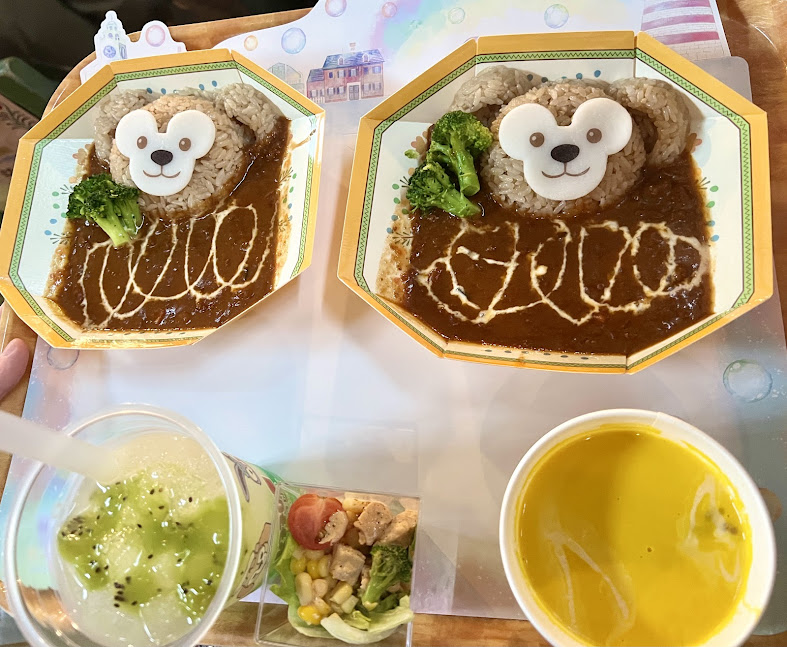
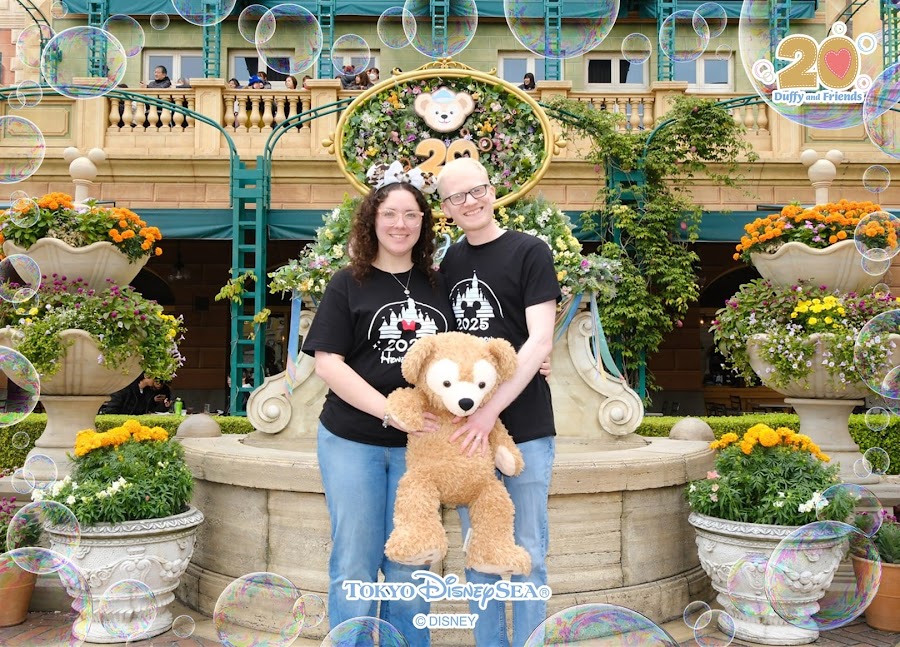
    For those unfamiliar, Duffy is a widely beloved character in Japan. He is Mickey Mouse’s teddy bear, and he is so popular that entire shops are dedicated to him and his friends. He was created for Tokyo DisneySea, and he is undeniably the face of the park. It wasn’t uncommon to see park visitors carrying around Duffy stuffed animals or otherwise donning Duffy merchandise. I fell in love with some of these characters myself during my day spent at the park, and indulged in Duffy photo ops, purchasing multiple stuffed animals and keychains, and ordering this themed meal for lunch.

    The meal was offered for Duffy’s 20th anniversary celebration, which happened to be going on while we visited. It consisted of Japanese curry with rice, pumpkin soup, and a small salad. I also ordered a fun boba drink with a scoop of kiwi.

    As you can see, the rice in the curry dish resembles Duffy the bear! Between the adorable presentation and the fact that I had just fallen in love with this sweet little guy, this meal quickly became one of my favorite memories from visiting Tokyo DisneySea.

    My love for this bear knows no bounds!

    4. My meal at the Cinnamoroll Cafe

    I go much more in-depth about this dining experience here, but despite having already written about it, the Cinnamoroll Cafe needed its own spot on this list.

    This cafe was whimsical, adorable, immersive, and everything a Sanrio fan would hope it would be. My husband ordered Japanese curry, and I ordered omelette rice. As you can see from these pictures, the sheer cuteness factor alone makes this cafe worth a visit. There are locations in both Tokyo and Osaka, and I’m sure you cannot go wrong with either location. We went to the location in Tokyo. I truly can’t recommend this place enough.

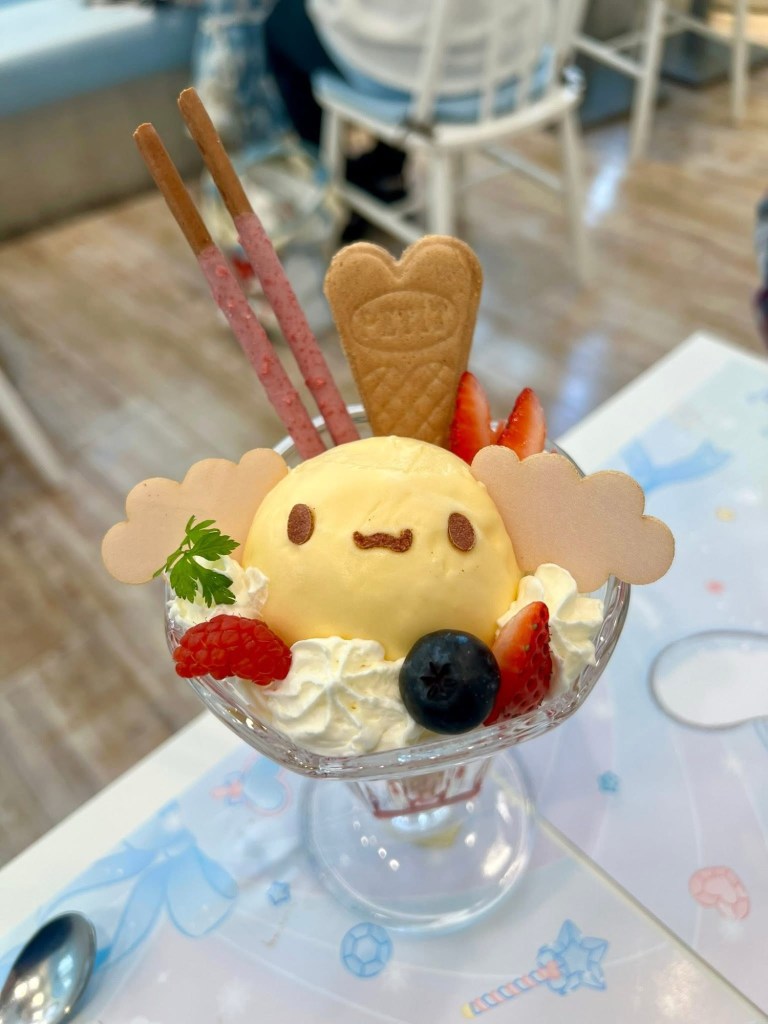
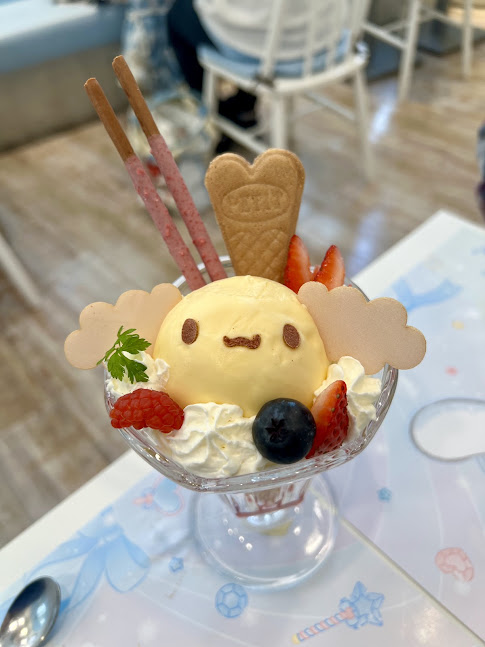
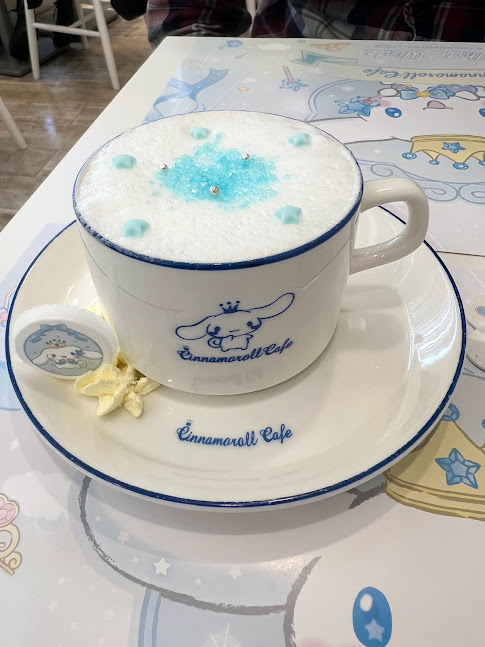
    Along with our main entrees, we got a dessert to share and a cheesecake flavored milk. The dessert, as seen above, featured a scoop of ice cream made to resemble Cinnamoroll’s friend, Chiffon. It also had whipped cream, fruits, and some Pocky for good measure.

    If you are interested in visiting the Cinnamoroll Cafe on your upcoming trip to Japan, please refer to my post dedicated entirely to my experience here!

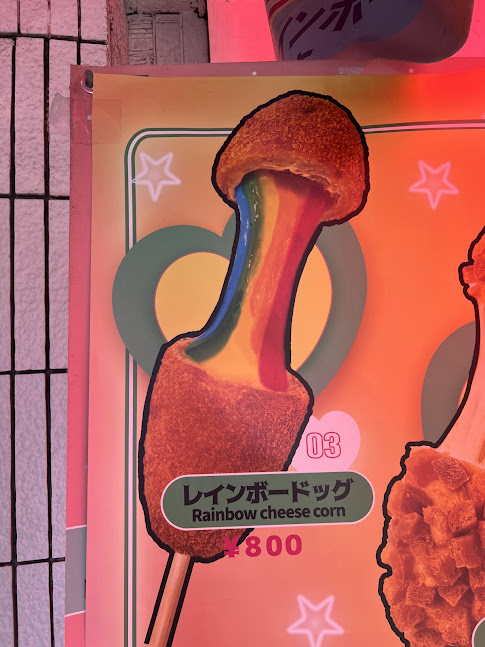
    5. Rainbow cheese corn dog on Takeshita Street in Harajuku

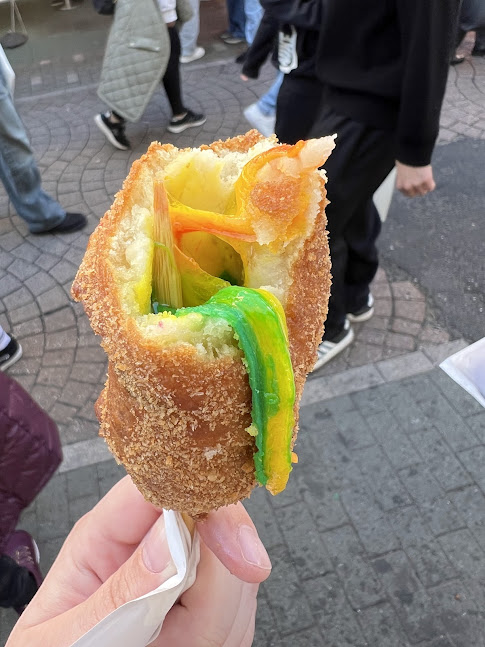
    On our final full day in Japan, we visited Harajuku. Harajuku is a neighborhood in Tokyo known for its over-the-top street fashions, often called J-fashion. It is also known for it’s many novelty food items, including this Korean style corn dog filled with rainbow colored cheese.

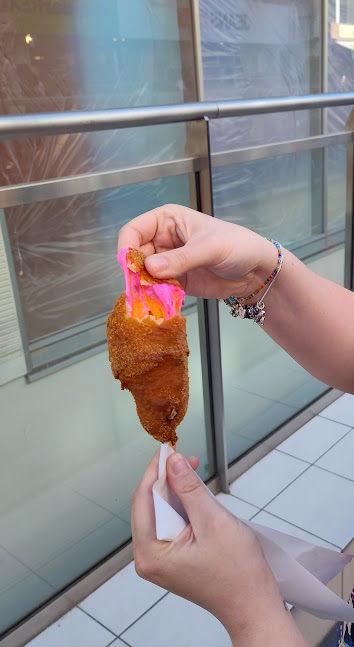
    Taste wise, it was a pretty basic street food. It was fine. Visually, it was much more impressive than it was taste-wise. As soon as I pulled it apart, colorful strands of melted cheese stretched between my hands. I wish I had better photos!

    Takeshita Street was far too crowded for my tastes, and in some ways our visit there was a bit disappointing, but at least I got to eat rainbow cheese.

    Final Thoughts

    Japan is famous for its incredible cuisine, but one of my favorite discoveries was how cute and fun the food can be too. The foods I listed above were just as much experiences as they were meals. Most of them made me smile as much as the theme parks, temples, and other attractions did. As a foodie traveler, I absolutely cannot wait to experience even more cute food on my next trip to Japan. I already have some places in mind!

    Whether it’s a rainbow dessert or a curry resembling the world’s cutest teddy bear, Japan has a way of making themed dining experiences feel like you’re a little kid again. These meals may not have been the most authentic or sophisticated things I ate in Japan, but they captured another side of the country that I fell in love with over and over again: its willingness to embrace joy, fandom, and whimsy.

    Gallery:

  • My Day Trip to Uji: The Matcha Capital of Japan

    My Day Trip to Uji: The Matcha Capital of Japan

    When people think of day trips from Kyoto, Osaka and Nara tend to get most of the attention. And while those destinations are incredible and certainly worth visiting, one of my favorite excursions during my honeymoon trip to Japan was our day spent in Uji.

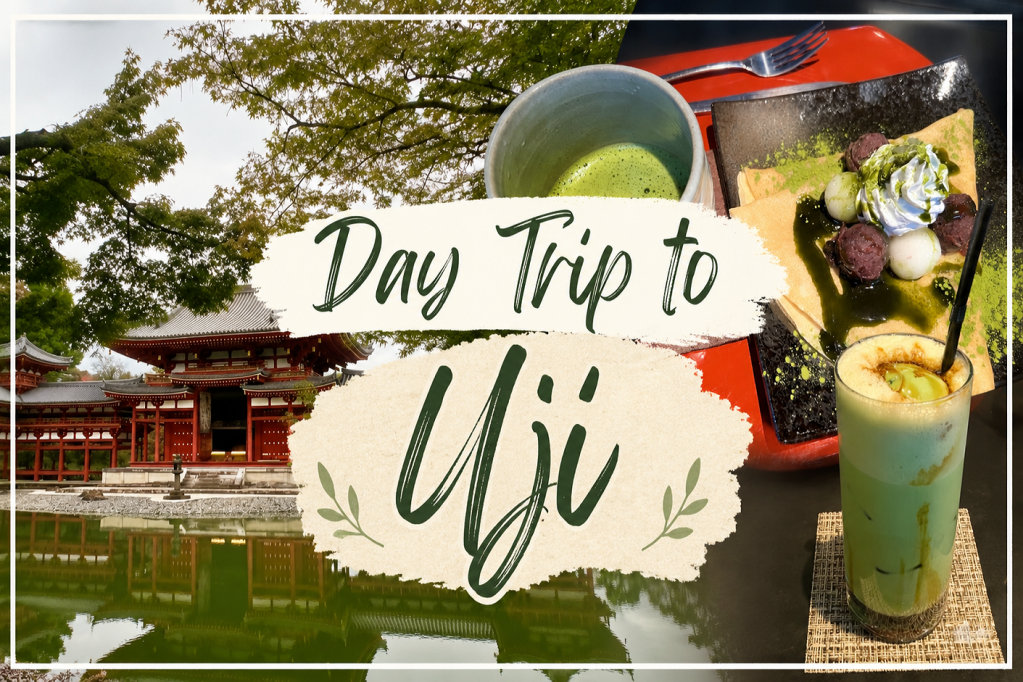
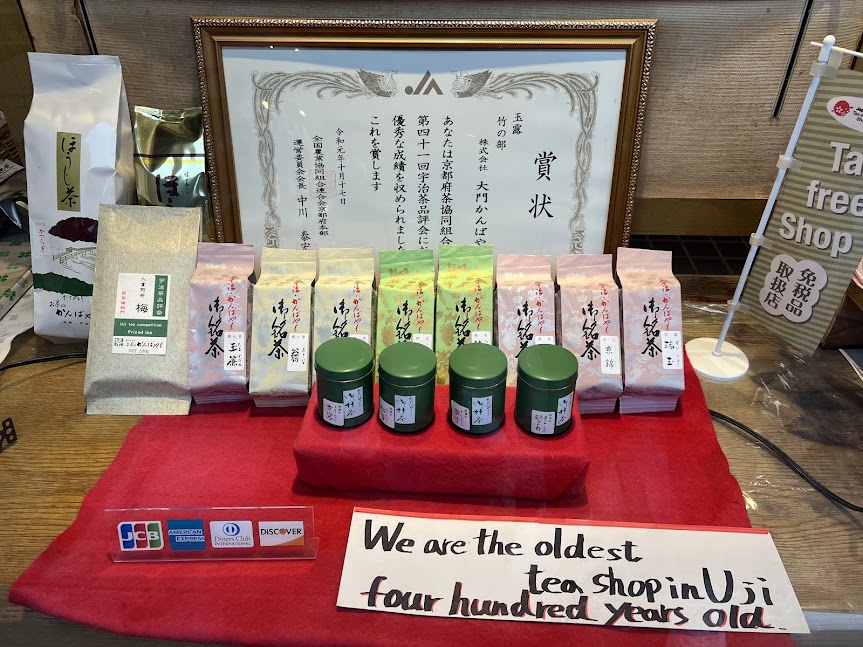
    Located just outside of Kyoto, Uji is best known for centuries of superior quality matcha. For those unfamiliar, matcha is Japanese powdered green tea. In the last decade or so, it has become increasingly popular globally. Most popular coffee shops, including Starbucks and Dunkin’, offer their own matcha latte drinks. The matcha you’ll find in Uji, however, is the real deal! We saw some matcha shops with signs boasting their centuries-long tenure. One shop in particular was 400 years old. Uji is also home to Byodo-in Temple and the recently-opened Nintendo Museum.

    Pre-Nintendo Museum lunch: conveyor belt sushi at Kappa Sushi

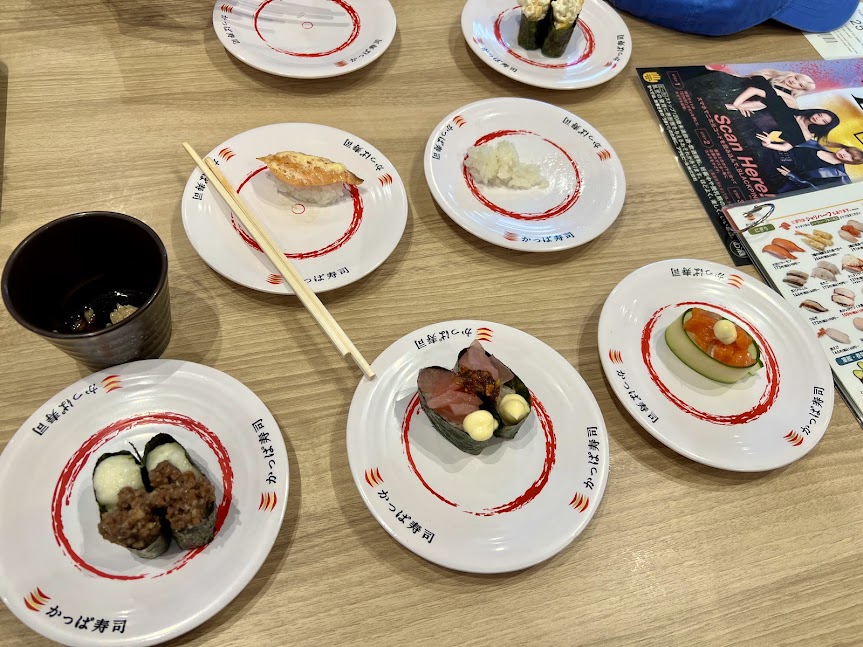
    Kappa Sushi, located near the Nintendo Museum, is a conveyor belt sushi restaurant. This is a popular genre of sushi restaurants in Japan, and it was our first time eating at one. You order small plates on a tablet or on your phone, and the food arrives at your table shortly after via conveyor belt. Ordering many dishes is encouraged, as each dish is usually only two pieces of sushi. We really enjoyed eating at Kappa Sushi. There’s just something about conveyor belt sushi restaurants that make me so giddy with excitement. It is a lot of fun getting to try so many different kinds of sushi. Visiting a restaurant like this on your trip to Japan is an absolute must if you are a sushi lover like me!

    The Nintendo Museum

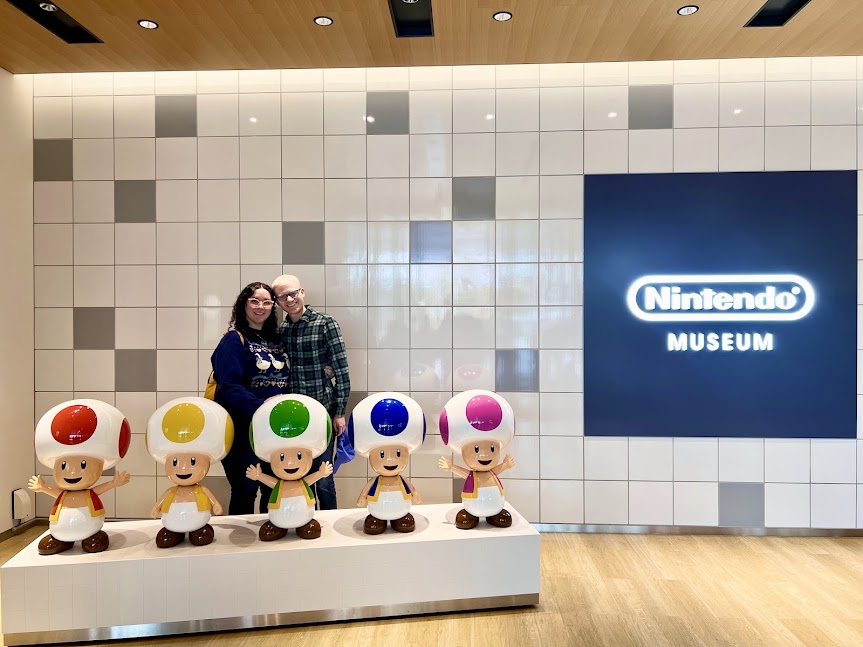
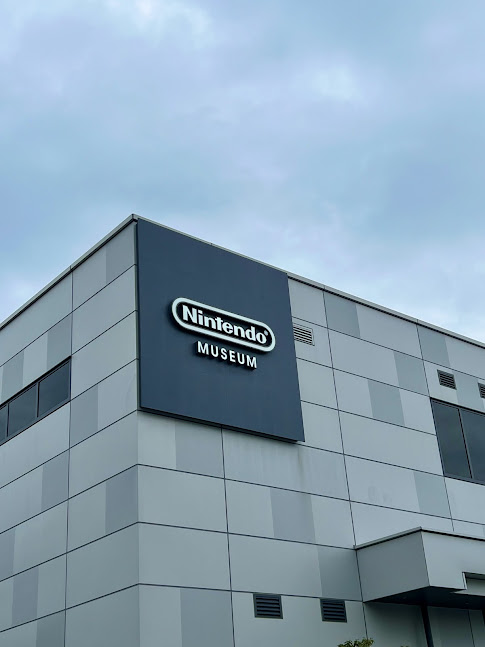
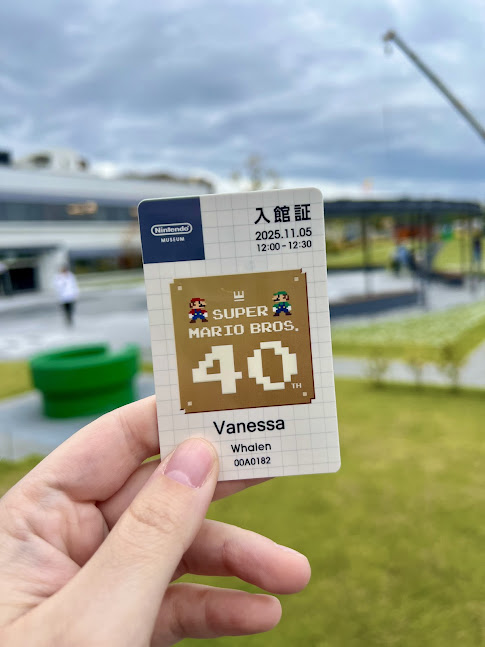
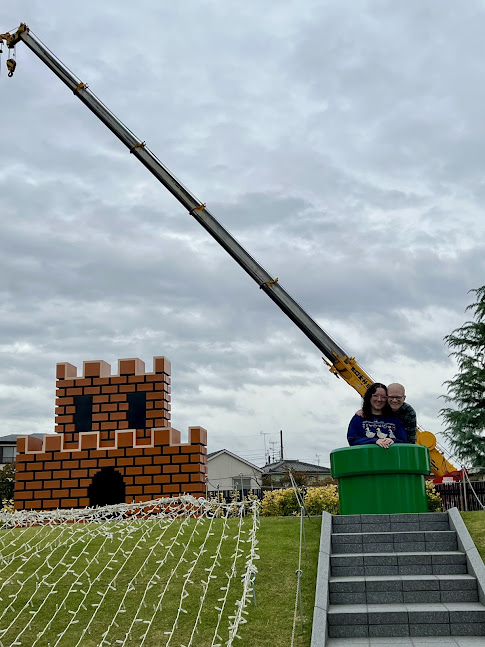
    After our early lunch at Kappa Sushi, we headed straight to the Nintendo Museum. As lifelong Nintendo fans, this was an attraction that my husband and I were both very excited to visit. Fun fact: this museum is in a former Nintendo manufacturing plant!

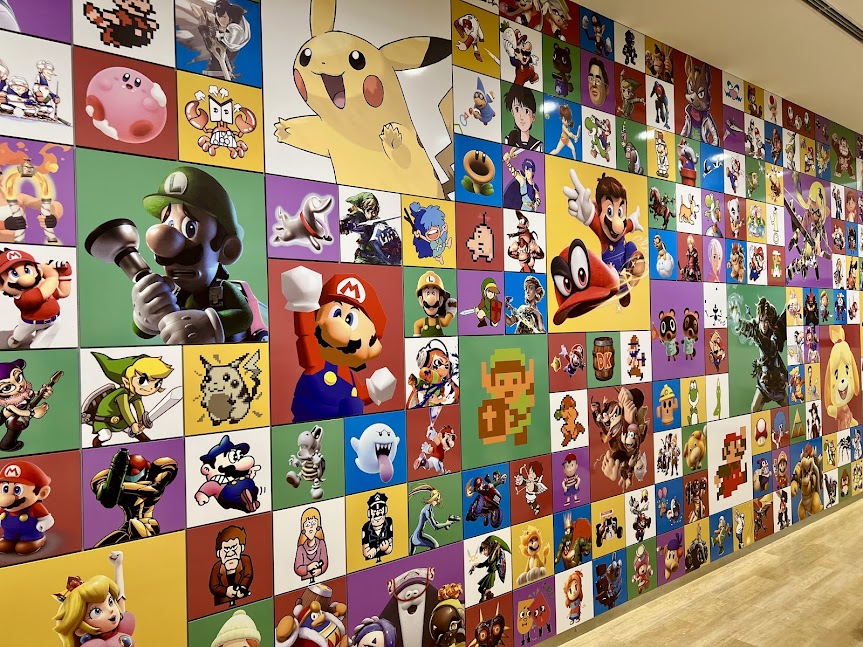
    The museum opened only recently, and it does an incredible job of showcasing Nintendo’s history. There were lots of interactive exhibits and opportunities to play Nintendo games, and a gift shop that sold exclusive items that you could only get at the museum. The layout and the design were very modern and pleasing to the eye, and the displays did a great job of highlighting the evolution of the company over the years.

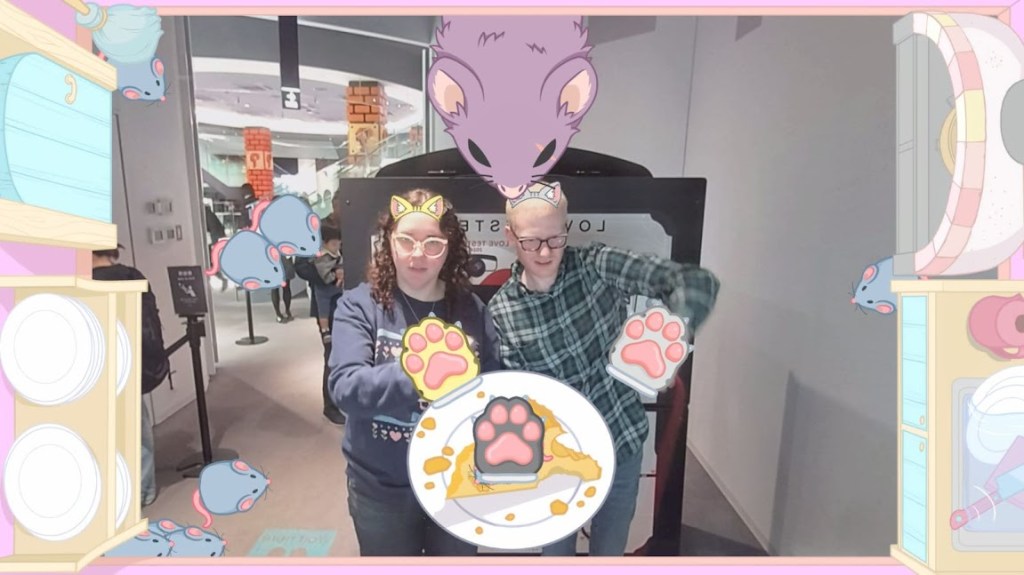
    Photography isn’t allowed in much of the museum, so I don’t have a lot of photos. You’ll have to go see for yourself! And trust me when I say that it’s more than worth a visit for any Nintendo fan. I am not always a huge fan of museums, but I had an absolute blast here.

    Uji Matcha

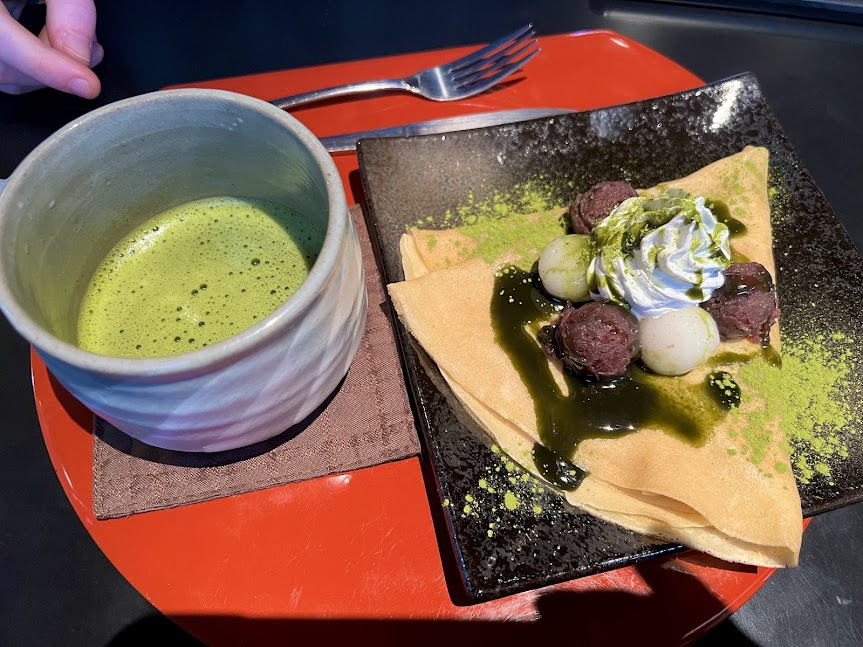
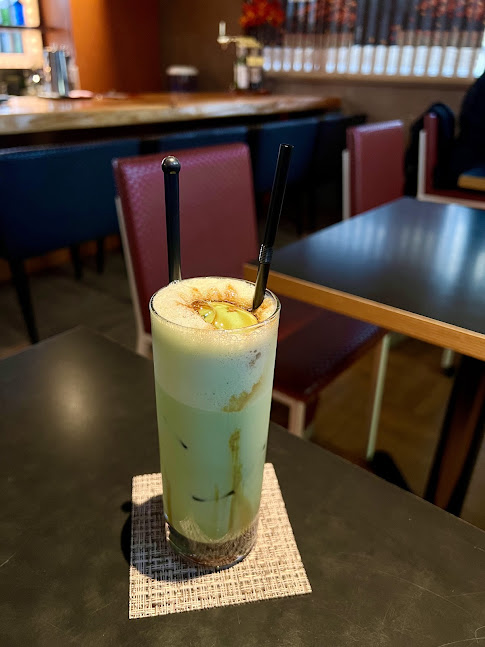
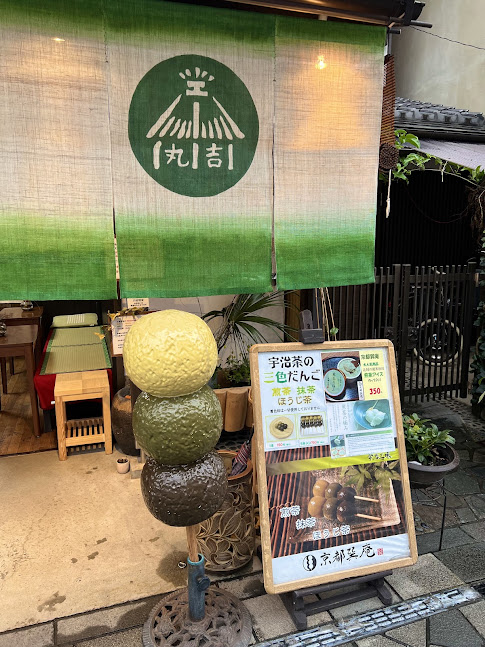
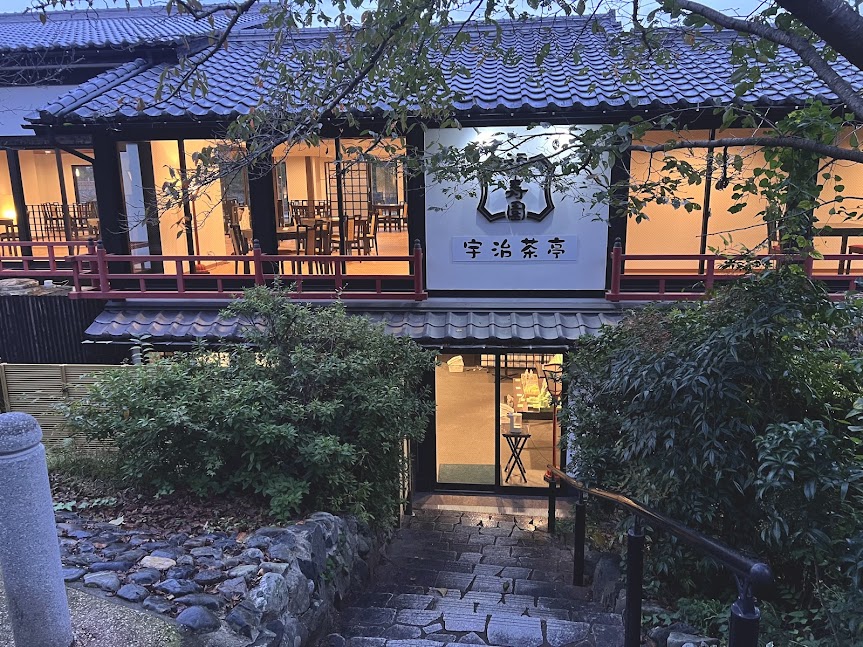
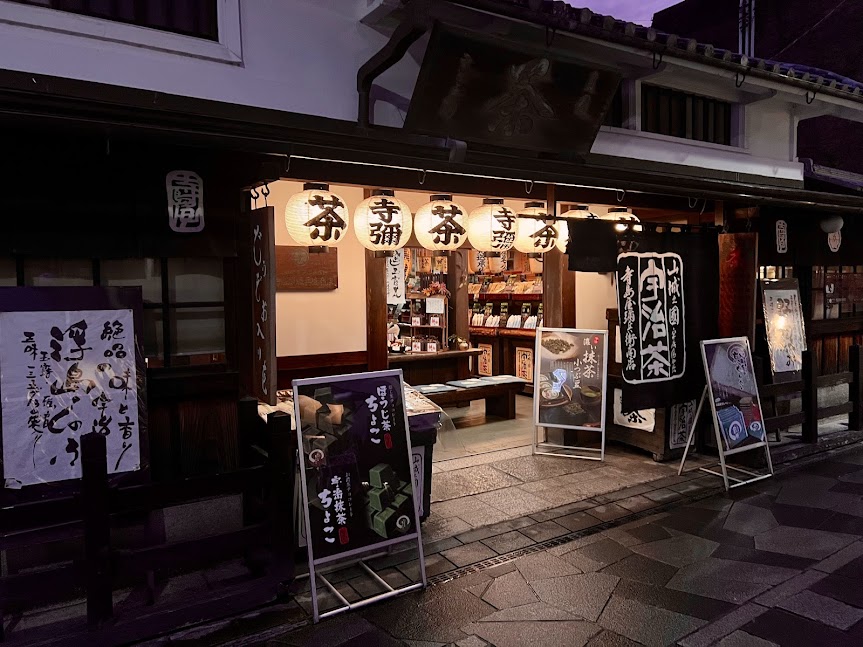
    After finishing at the Nintendo Museum, we took a bus to historic Uji, where we wandered into a cute little cafe called Rokujoan to finally sip on some world-renowned Uji matcha. We got some traditional hot matcha to try, as well as a brown sugar iced matcha latte topped with a scoop of matcha ice cream. We also shared a crepe with some fun toppings. Everything we got was delicious. I really enjoyed hanging out in a matcha cafe in historic Uji, and I recommend anyone visiting Uji find a similar place to relax and refresh for a little while. Spending some time here was the perfect little pick-me-up before continuing our sight seeing.

    Our goodies from the cafe in historic Uji!

    I’ve enjoyed matcha many times, but drinking it in Uji felt like a special experience. It is clear that this city takes a tremendous amount of pride in being the matcha capital of the world. There are endless tea shops and matcha related treats and souvenirs to see while you visit. While you’re here, make sure you take some time to walk the streets and pop into some of the shops. The vibes here are traditional yet modern in a uniquely Japanese way.

    Byodo-in Temple

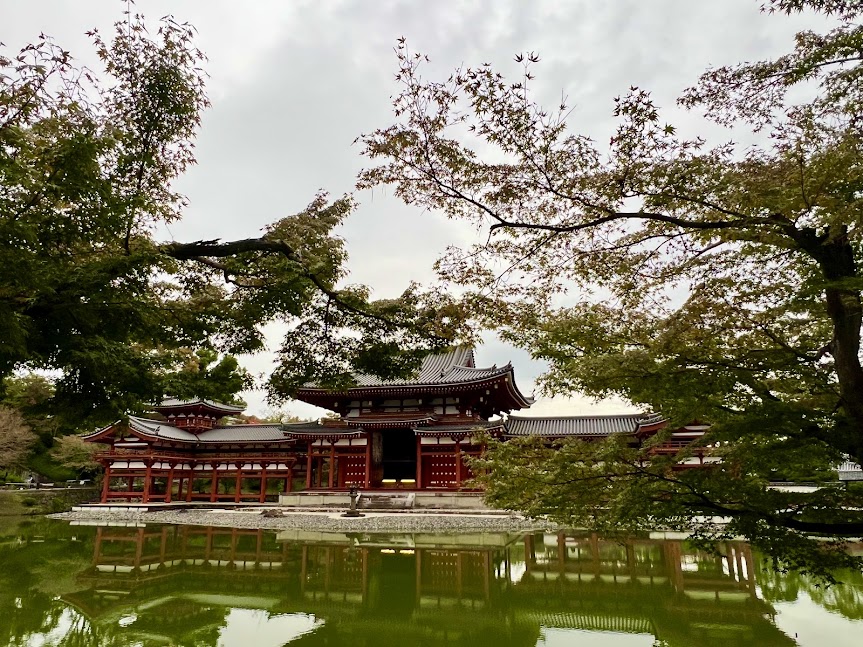
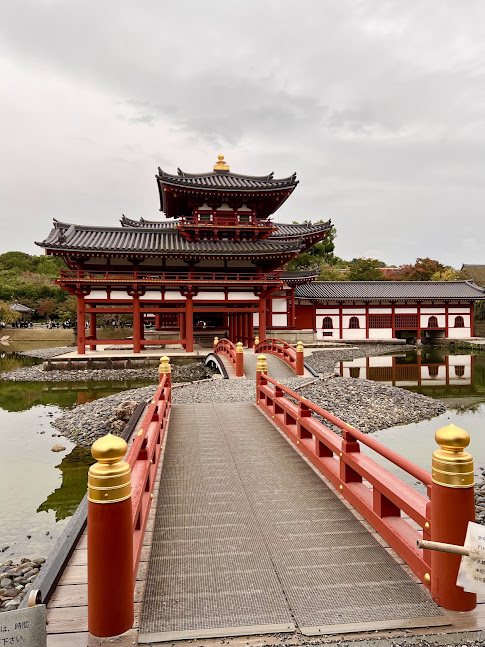
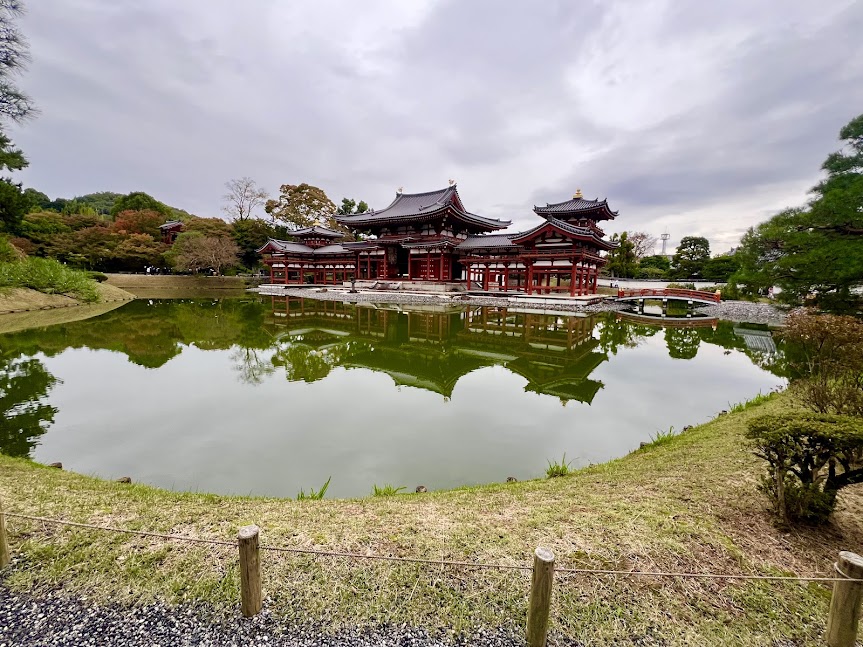
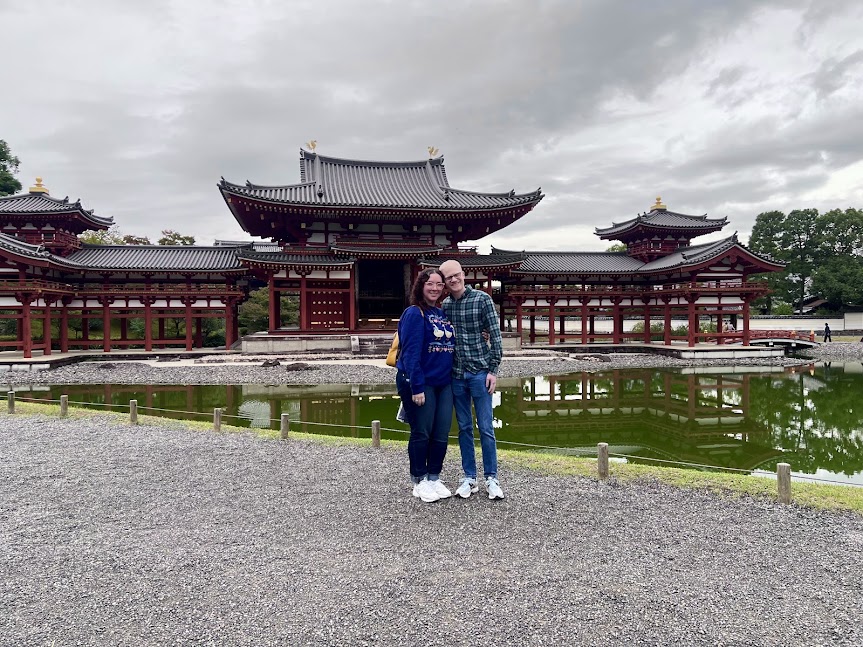
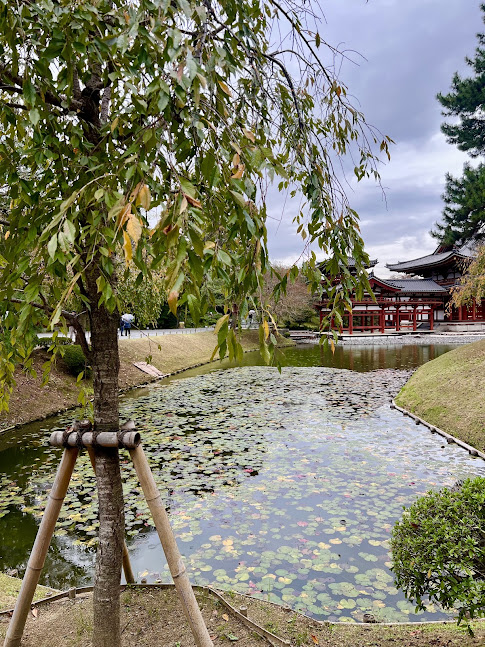
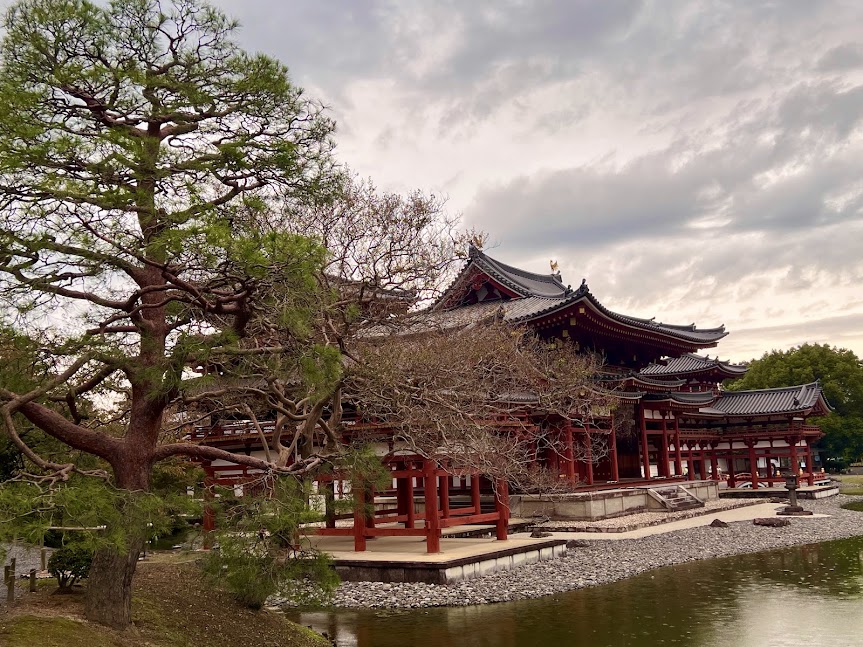
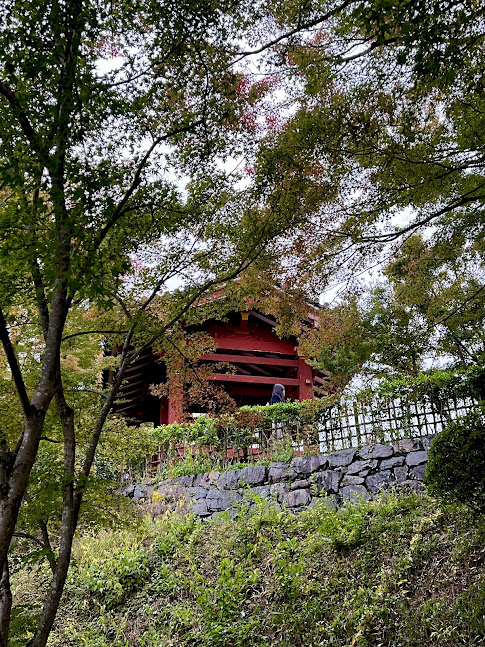
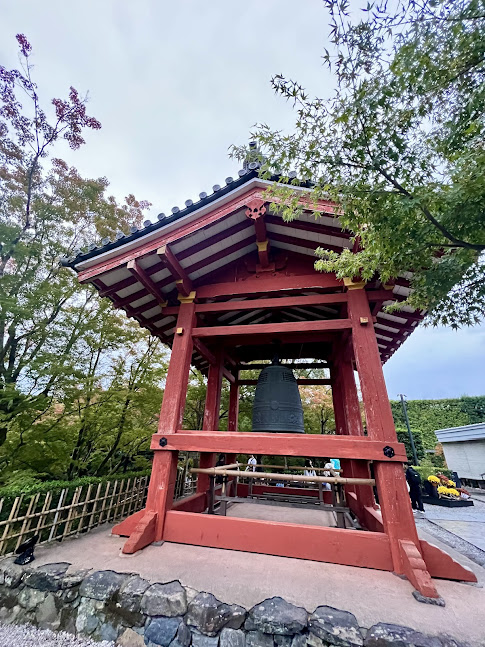
    Next, we went to Byodo-in Temple and museum, one of Japan’s most famous landmarks. It’s even featured on the ten yen coin! Sadly, we arrived after ticket sales to visit the interior of the temple had closed, but we were still able to explore the grounds, admire the temple from the outside, and visit the museum. Just walking around outside was really nice. As you can see, Byodo-in Temple is quite a sight to behold!

    The museum was very interesting. There were restorations of old paintings, maps of Uji created during the Edo period, statues, and other artifacts. No photos were allowed, but the exhibits offered a wonderful glimpse into the history of Uji.

    And even without visiting the inside of the temple, I thought it was one of the most beautiful sights of our trip.

    A sunset stroll

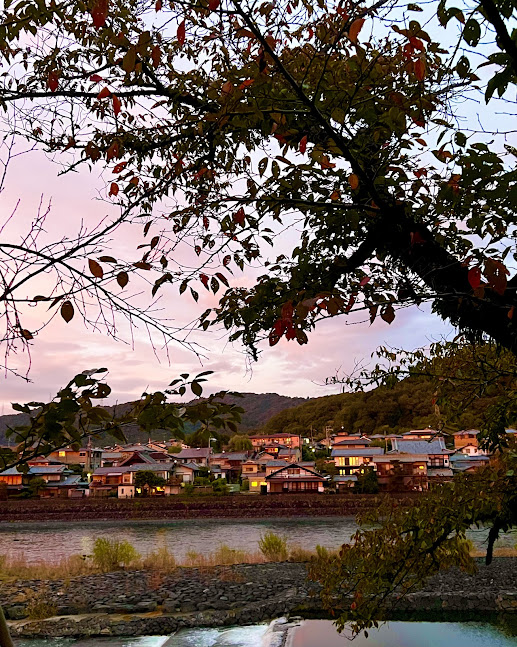
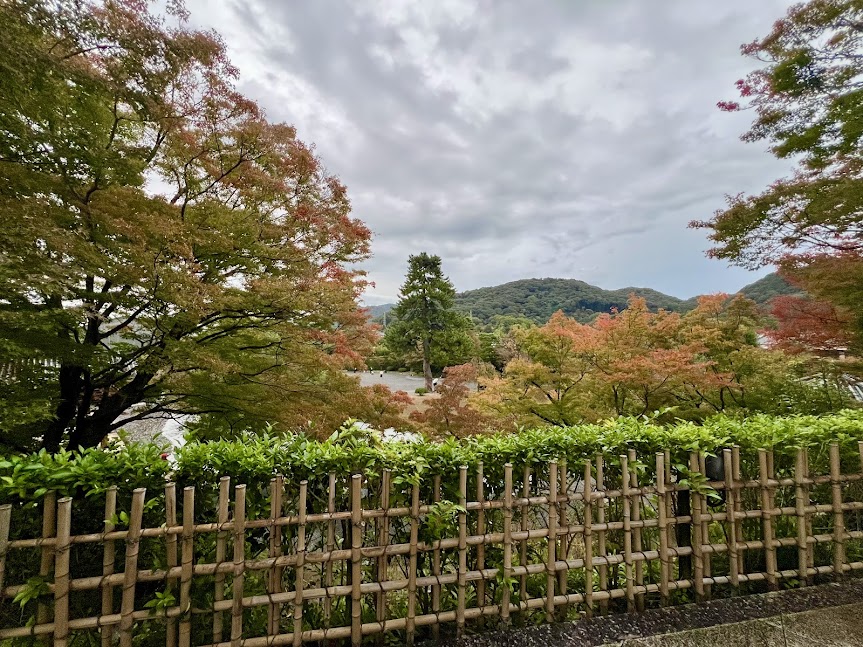
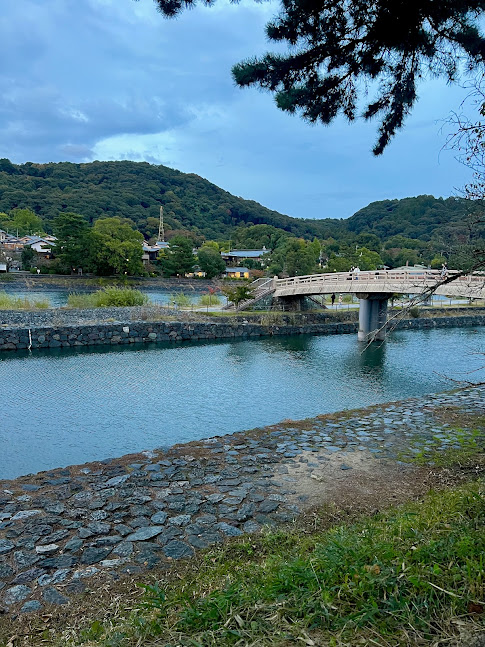
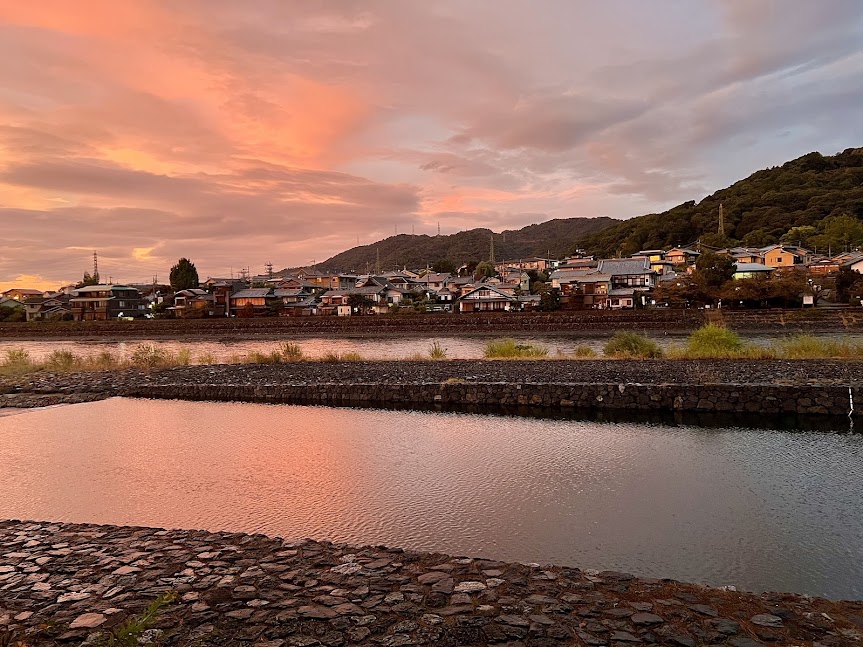
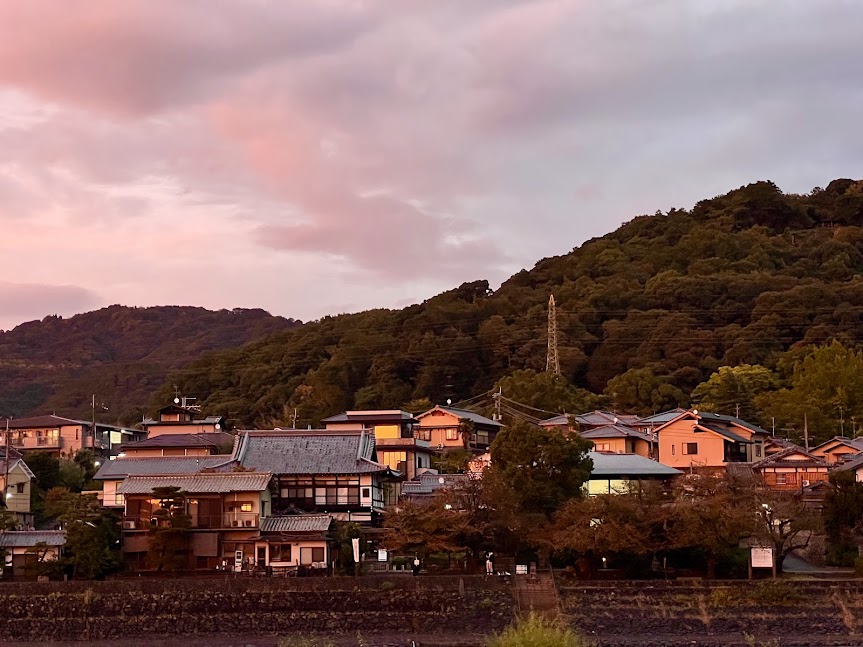
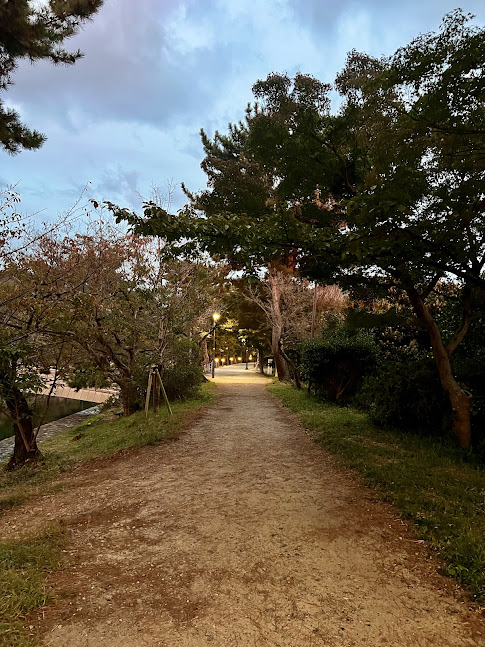
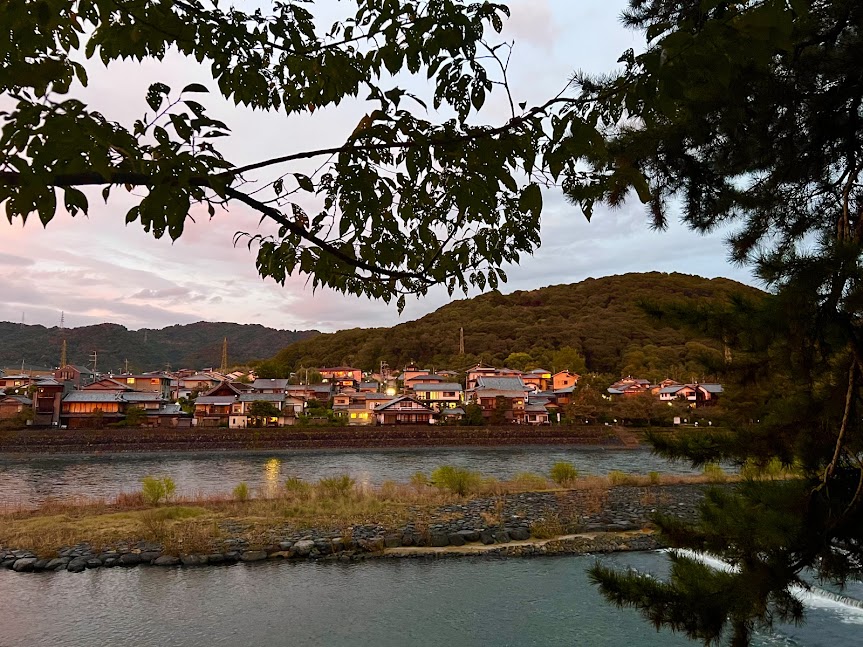
    My favorite memories from Uji weren’t from visiting a major attraction! We left Byodo-in around sunset, wandered away from the more densely touristed areas, and explored some of the city’s side streets. Eventually, we found a bench overlooking the Uji river and a pedestrian bridge. Across the river, there were mountains visible in the distance, as well as a mix of both traditional and modern Japanese homes. The sky was pink, and the energy was quiet and reflective. I remember that during this part of our day in Uji, it hit me that I’m in one of the most beautiful countries in the world, and in one of it’s most historically and culturally rich cities.

    Why Uji was one of my favorite day trips

    My day in Uji was packed with variety, which is one of the things that made it stand out the most. On the modern side, I got to experience conveyor belt sushi and the incredibly impressive and brand-new Nintendo Museum. On the more traditional side, I got to sip matcha in historic Uji, and I got to visit the stunning Byodo-in Temple. It was cool getting to see one of Japan’s newest major attractions before learning about centuries of history. And our evening spent at a slower pace and enjoying the sights and the sunset on the slower side streets made for a beautiful end to our day.

    If you’re visiting Kyoto on your upcoming trip to Japan, I strongly recommend a day trip to Uji. It’s an easy day trip, and it combines food, culture, and history with a little bit of Nintendo magic. I don’t think you’ll regret coming to this beautiful city.

    Gallery:

  • My Experience Dining at the Cinnamoroll Cafe in Tokyo

    My Experience Dining at the Cinnamoroll Cafe in Tokyo

    As anyone who knows me personally could tell you, I am a lifelong enjoyer of all things cute and “kawaii”, and Sanrio characters are no exception. Visiting the Cinnamoroll Cafe was a highlight of my trip to Japan last fall. Going into it, I knew the food would not be life-changing, but I knew that everything would be adorable. And boy, did it deliver on that front. The cafe was everything I hoped it would be.

    A bucket list stop for Sanrio fans

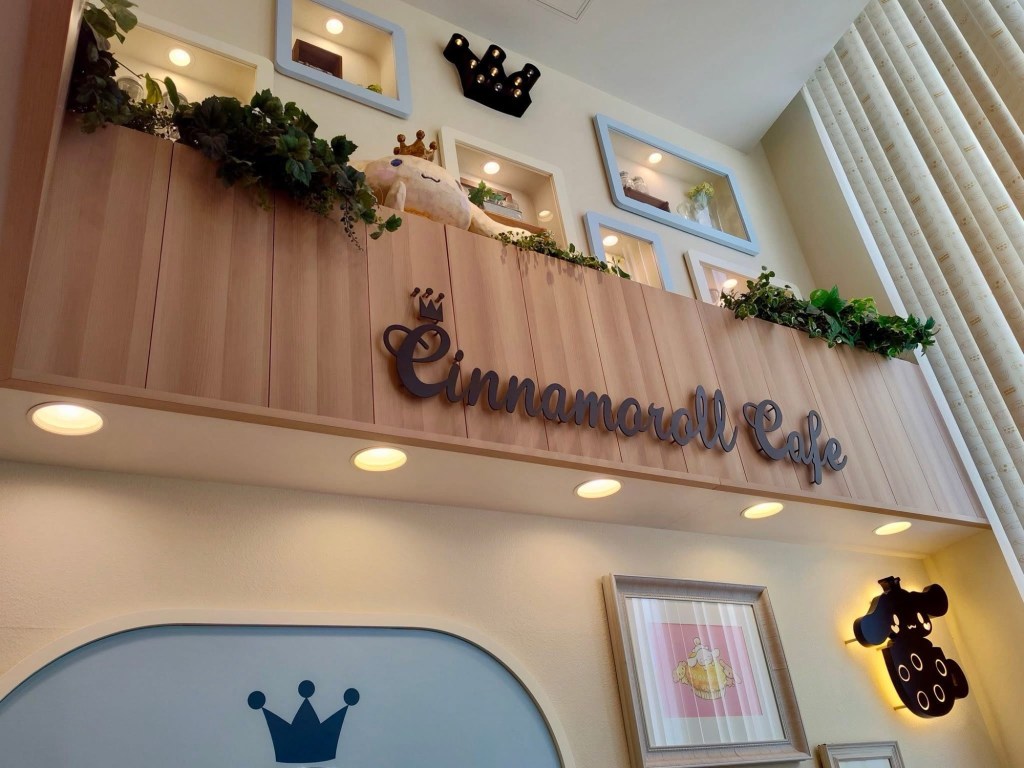
    As soon as we arrived, it was obvious that this cafe was designed with love, care, and attention to detail

    We visited the cafe on our second-to-last day in Japan. By that point in our trip, we had already experienced so much of what Japan has to offer: temples, shrines, theme parks, city skylines, shopping districts, and countless amazing meals. Even still, I was incredibly excited to come here. The Cinnamoroll Cafe doesn’t take reservations. We lined up nice and early so we didn’t have to wait very long, and we were seated almost immediately. I suggest lining up 20 or 30 minutes before it opens.

    Part of the fun of visiting Japan as a pop culture nerd and/or lover of kawaii characters is Japan’s commitment to the bit. Everyday experiences can be completely themed around widely beloved and absolutely adorable characters. And while character dining experiences exist in the United States, they are nothing like what you can find in Japan. And I say this as someone who spent a year in Orlando and visited Disney World many, many times! Japan just takes character dining to another level.

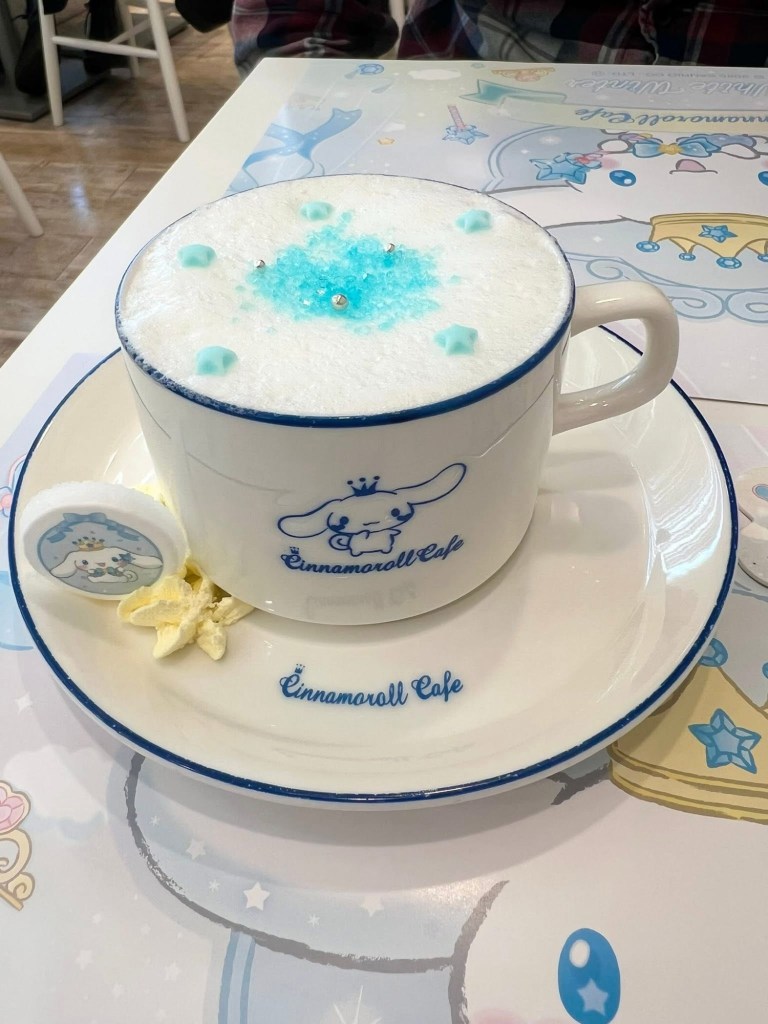
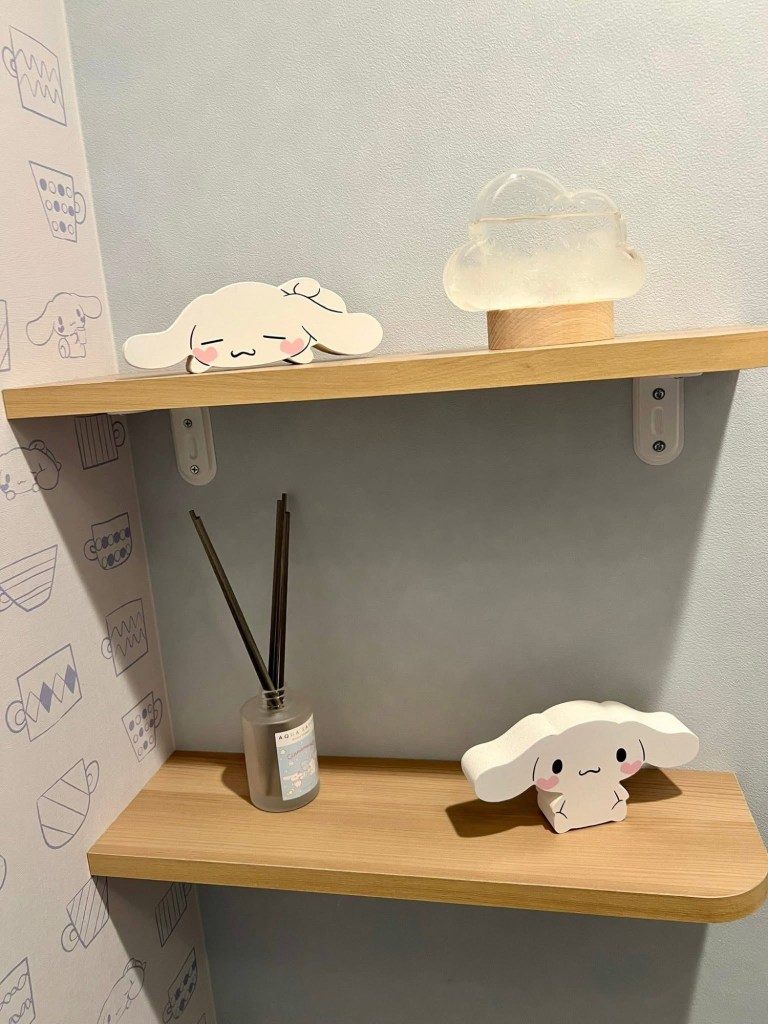
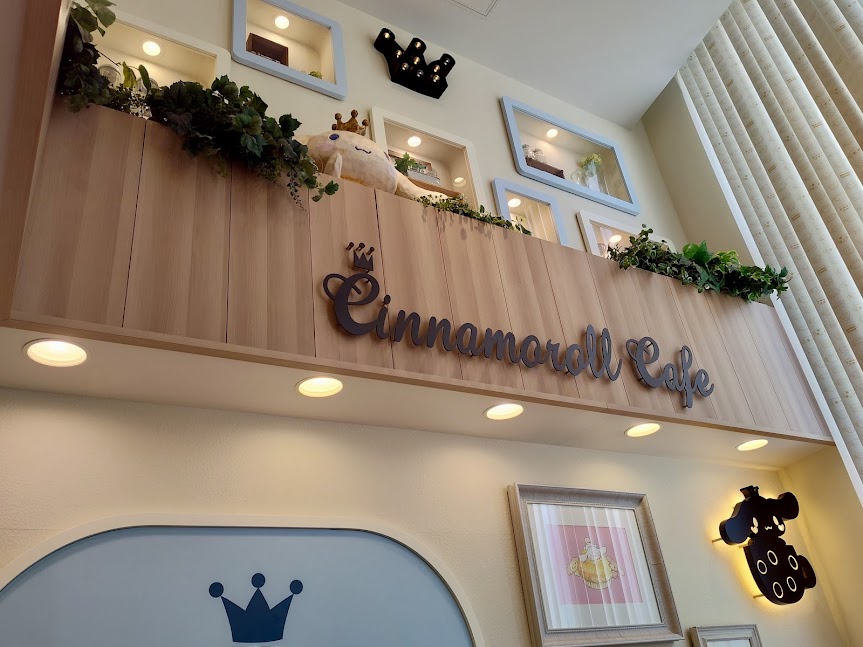
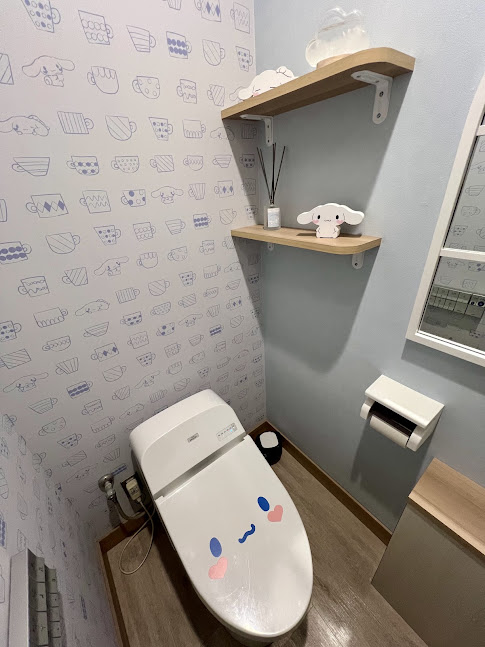
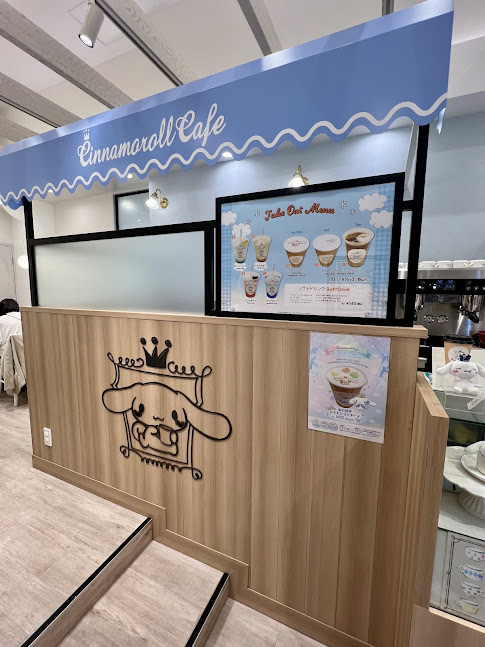
    Aesthetically speaking, the cafe did not disappoint. Everywhere you looked, there were cute Cinnamoroll details incorporated into the decor. Even the bathrooms were adorable and full of Cinnamoroll! It was an immersive experience, and it felt like stepping into a kawaii wonderland. Many of our fellow patrons were dressed for the occasion, with Cinnamoroll themed outfits, which added to the feeling that we were somewhere special, whimsical, and somewhere you could leave your worries and your adult responsibilities at the door.

    This was a cheesecake flavored milk. I really enjoyed it! ❤

    The food

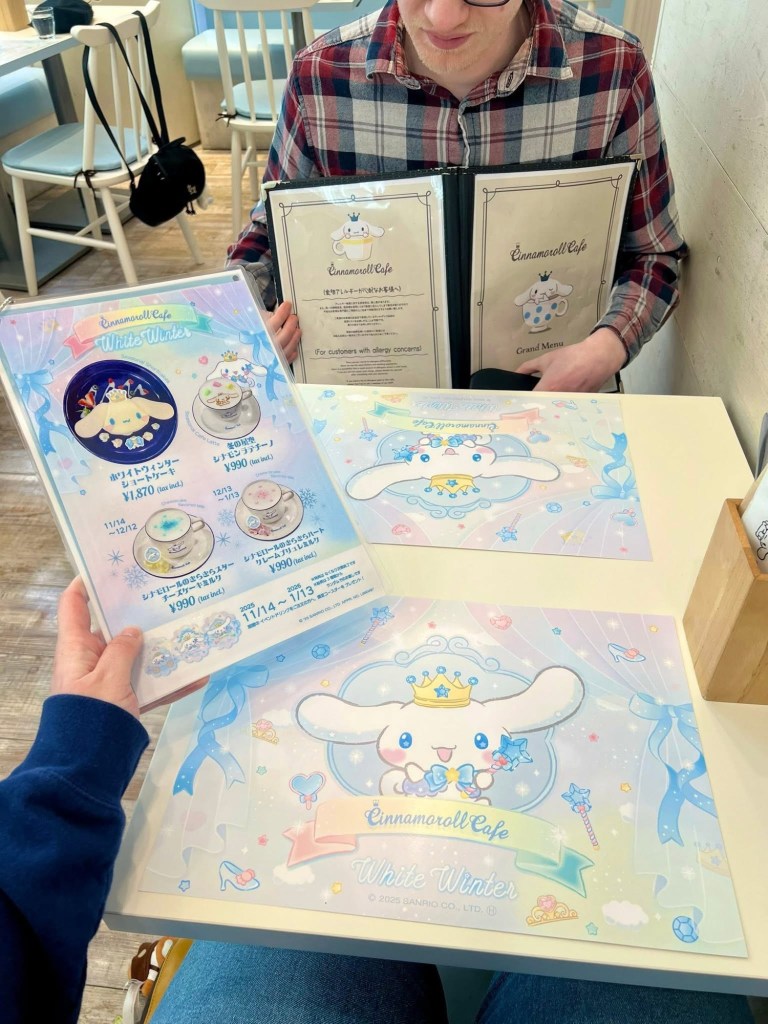
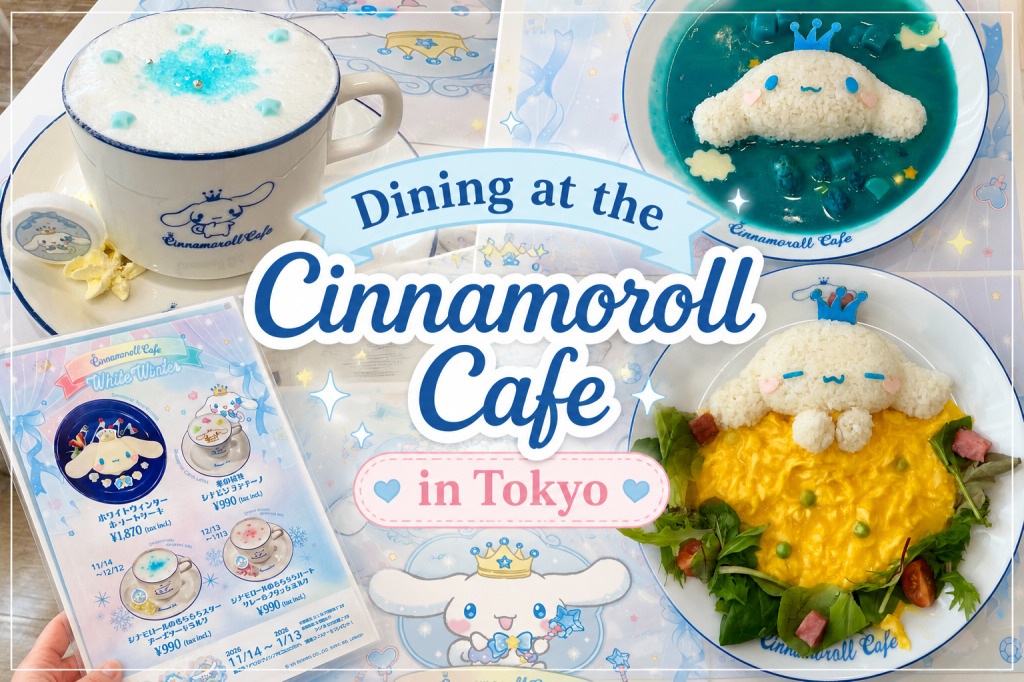
    For lunch, Tim ordered Japanese curry and rice. I got the omelette rice. The food was good! And although Tim found it a little unsettling that his curry was bright blue, I thought it was a nice touch. We weren’t there to eat gourmet, we were there to smile! And the way these adorable meals were presented to us, with Cinnamoroll shaped rice for both, had me smiling and giddy with excitement the whole time we were there. The real star of the experience is the atmosphere itself. The food was tasty and enjoyable enough, and the presentation made it as memorable as any fancy omakase. We did hear the microwave beeping in the kitchen somewhat constantly, but we were able to find the humor in that. We knew going into this experience that we weren’t getting a Michelin star meal!

    Tim’s Japanese curry on top, and my omelette rice on the bottom. The curry featured chicken and potatoes, and my omelette rice had greens, cubes of ham, and peas.

    The joy of being a fan

    One of my favorite things about Japan is how it openly embraces fandom. Whether it’s Pokemon, Nintendo, anime, Studio Ghibli, or Sanrio, the culture feels so accepting of the idea of being a fan. It’s okay to enjoy “childish” things, and being loud and proud about your fandom(s) is welcomed with open arms. The Cinnamoroll Cafe embodies that spirit.

    Nobody was too cool to be here. Nobody here was aloof or detached. All of us were there to take photos, admire the decorations, and eat some cute food. It was so refreshing!

    Final thoughts

    I think the Cinnamoroll Cafe is worth a visit if you’re a Sanrio fan, a lover of cute things, or someone who is interested in themed dining experiences. The food was serviceable, the atmosphere was on point, and it turned out to be a uniquely Japanese experience that I am so glad I had the opportunity to indulge in. Even my husband, who is much less interested in cute characters and these kinds of themed experiences, found our lunch at the cafe to be a fun time. And he pointed out how well executed the concept was!

    Be sure to check out the gift shop if you come here! I was able to pick up a pin with artwork of the omelette rice I got. It’s a very nice little memento to remember the experience by!

    Thank you for reading, and be sure to let me know in the comments if this post made you want to visit the Cinnamoroll Cafe! And if you can’t fit this stop into your Tokyo itinerary, not to worry, as there is another location in Osaka as well!

  • My Experience Staying at a Traditional Japanese Ryokan

    My Experience Staying at a Traditional Japanese Ryokan

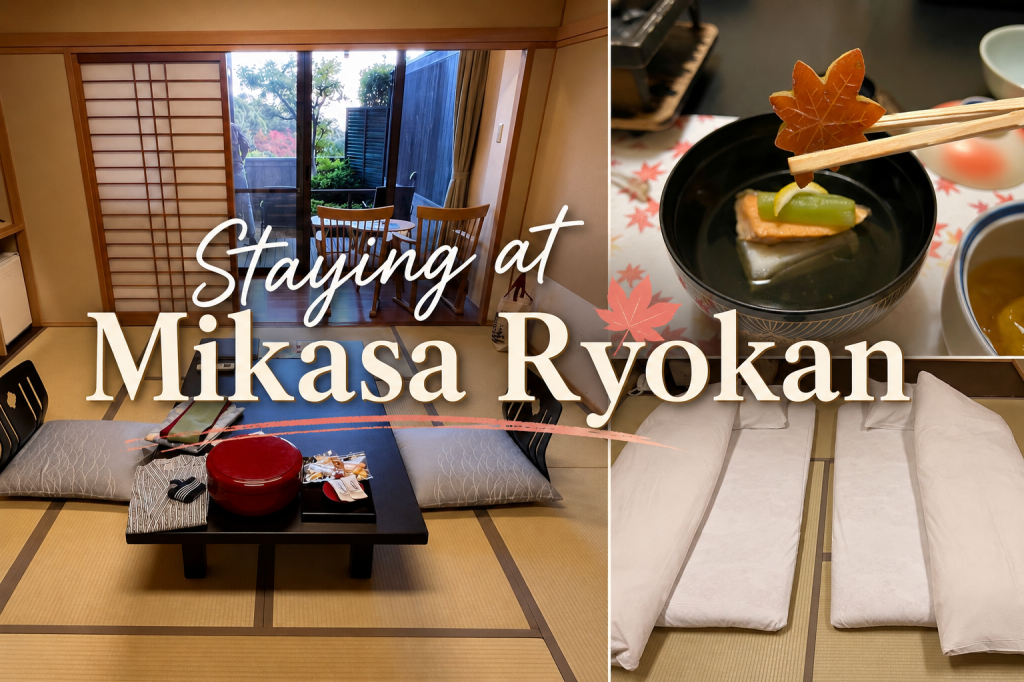
    One of the experiences I was most excited for during my honeymoon in Japan was staying at a traditional ryokan. After spending a week exploring bustling cities, major tourist attractions, and crowded train stations, I was ready for something quieter and more traditional. And, for one night in Nara, that came in the form of Mikasa Ryokan.

    Arriving in Nara

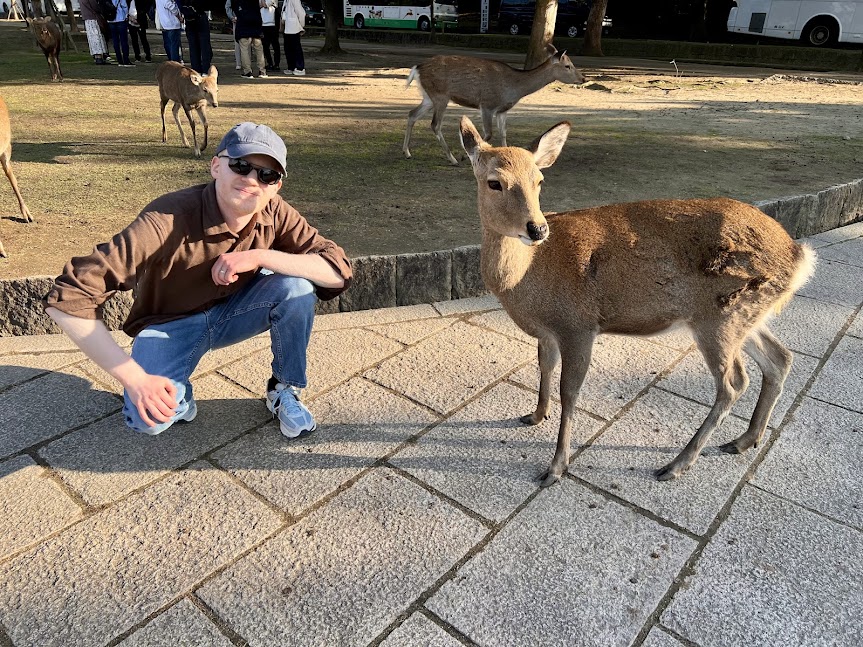
    My husband, Tim, posing with one of Nara’s 1400 free roaming deer

    Our day began at Nara Park, one of Japan’s most famous destinations and home to over 1,400 free-roaming deer. I plan on writing a separate blog post about Nara Park and our experience of getting to see the deer, so I won’t get too into it here, but it was a wonderful time. As a lover of woodland creatures, and especially deer, I had been looking forward to this day for months and months, and it did not disappoint. And of course, I purchased many deer related souvenirs to bring home. After spending the morning and much of the afternoon exploring the temples and taking in the view of hundreds of deer walking around the park, it was time to take our shuttle up into the hills to our ryokan. During our bus ride, we were treated with even more deer sightings as we drove through the woods.

    The contrast was immediately noticeable, as the busy and touristy areas of Nara gave way to a much more tranquil atmosphere. It quickly became clear that the purpose of staying at a ryokan isn’t just to crash somewhere for the night, but to slow down and soak in the experience.

    A different kind of hotel

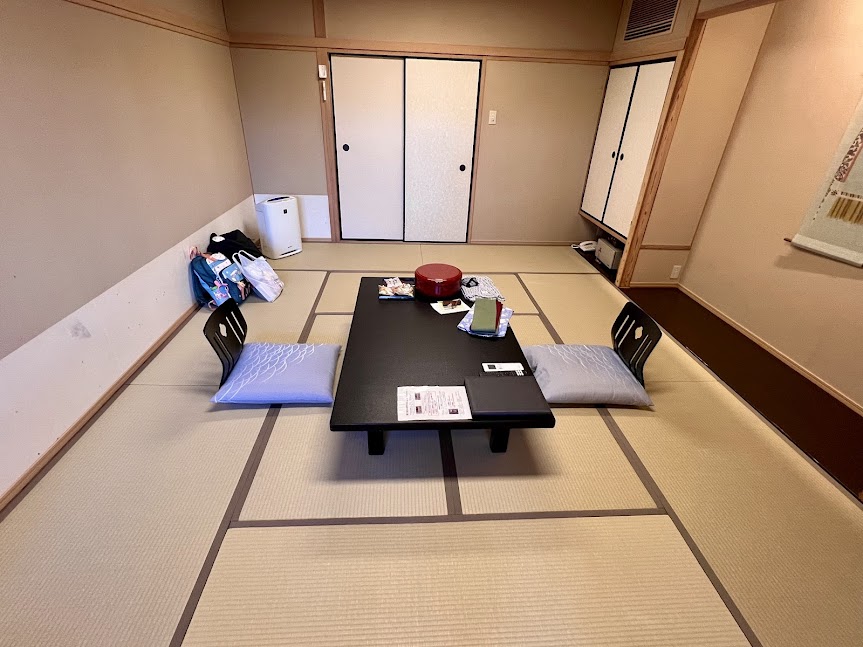
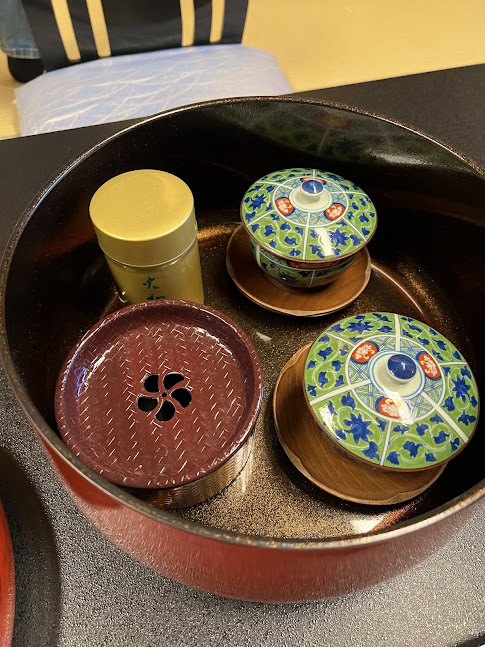
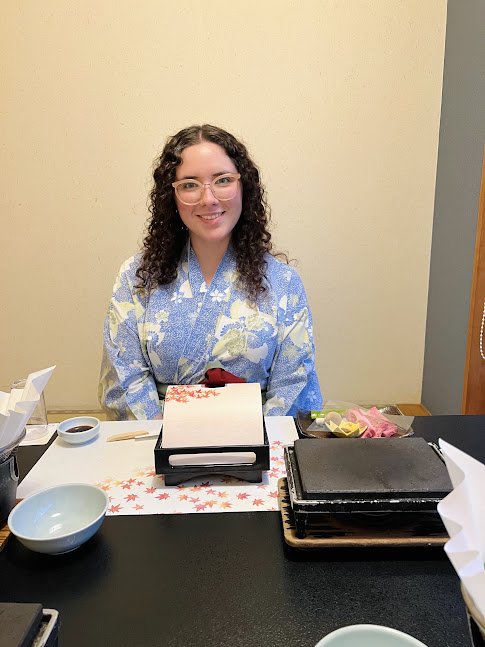
    For those unfamiliar, ryokans are traditional Japanese inns. They offer a completely different experience than you would find at a standard hotel. At Mikasa ryokan, our room featured tatami mat flooring and traditional Japanese design elements. We were provided with yukatas, which are traditional Japanese robes that are meant to be worn casually around the property, which added to the feeling of a traditional Japanese experience and a relaxing, slow pace. And, our room was stocked with free rice crackers and other salty snacks as well as several free alcoholic beverages!

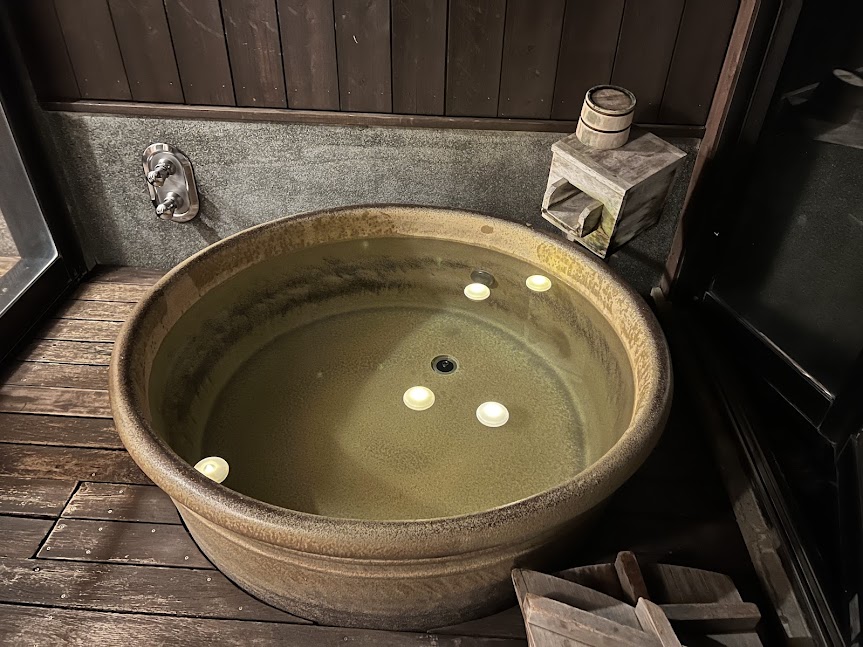
    One of the highlights of our stay was that we booked a room with a private bath. Most ryokans have public baths, but not all of them have private ones. If you would like to book a stay at a ryokan with access to a private bath, be prepared to pay extra for it. For my husband and I, it was worth it. It meant that we didn’t have to go to the public baths, which we weren’t comfortable doing this trip. Also worth mentioning is that many public baths do not allow people with tattoos to use them.

    Our private bath at Mikasa, featuring some floating LED candles I got on Amazon for a little extra romantic flair

    An incredible multi-course dinner

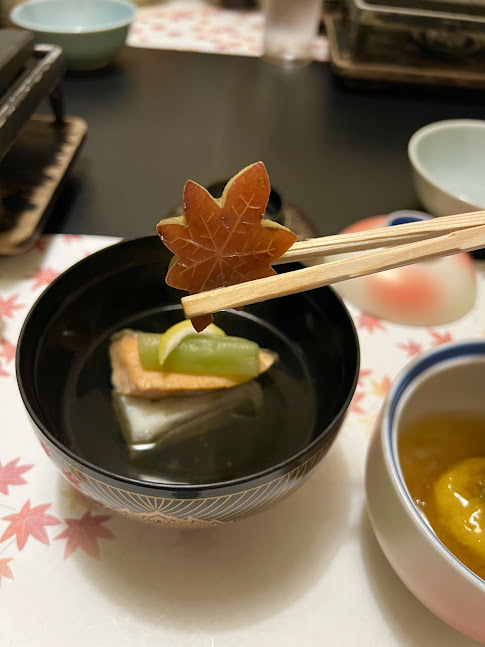
    Our dinner at Mikasa was easily the most memorable part of the experience. We were served in a private dining room, and the meal lasted almost two hours. Multiple courses were served to us throughout the meal, which made this dinner feel like a premium and luxurious experience, as well as a traditional one.

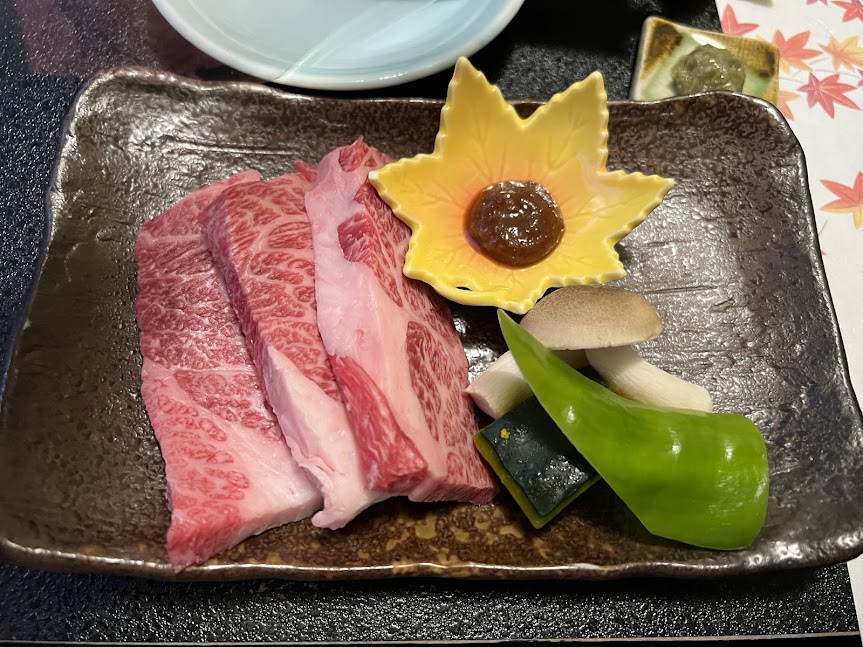
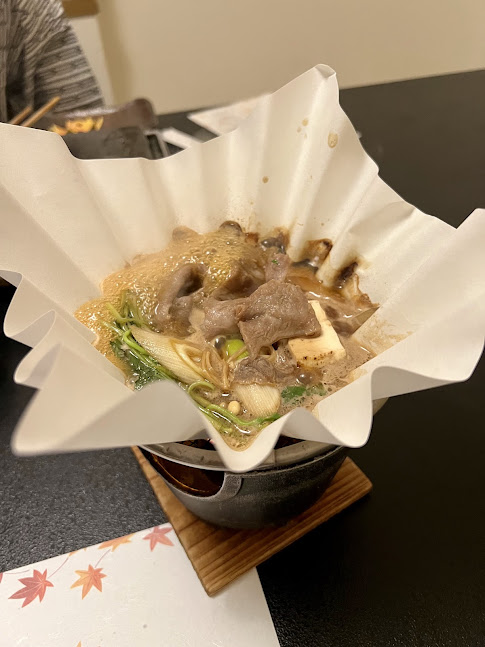
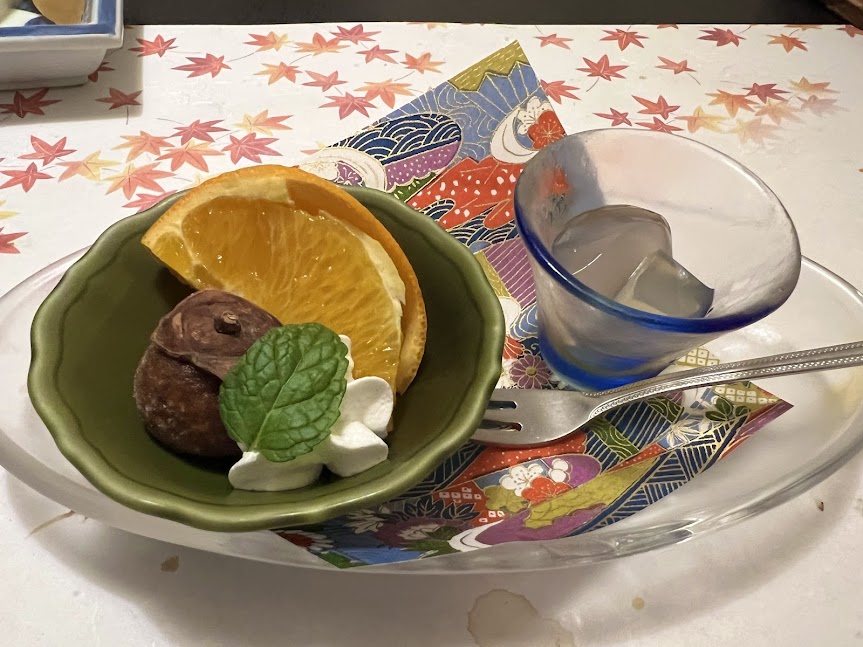
    Our meal included appetizers, hot pot, sushi, pickled vegetables, yakiniku, rice, soup, and dessert. And everything was very beautifully presented. The highlight for both me and my husband was the hot pot. It was truly delicious.

    Sitting down for such an elaborate dinner, donned in our yukatas, felt so special.

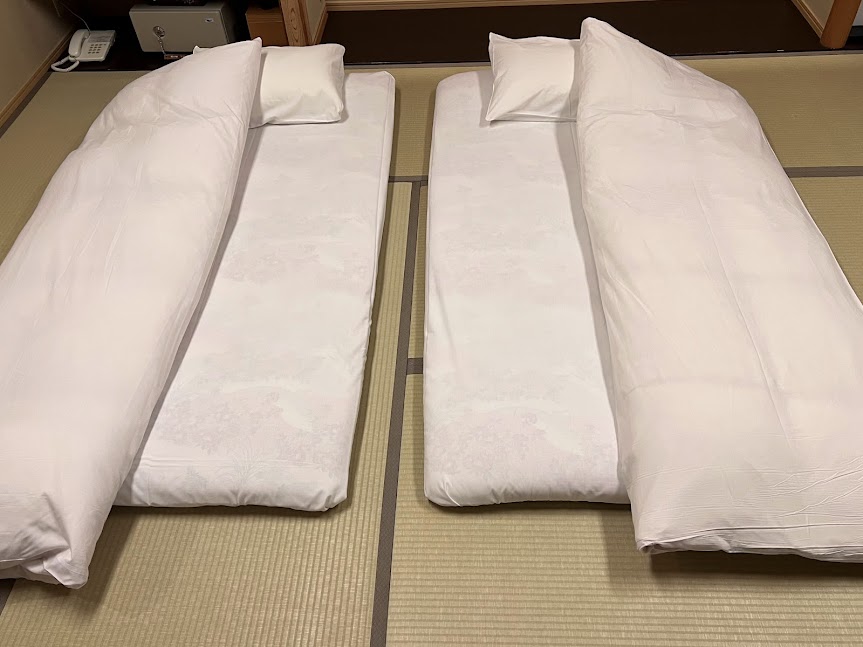
    After dinner, we spent the night relaxing in our room, imbibing with the free beer, and reflecting on our experience thus far. I will say, if you’re used to Western style beds and hotels, the futons directly on the floor take a little bit of getting used to, but they were more comfortable than they look, and we were able to get a pretty decent night’s sleep. If the sleeping arrangements are the only thing giving you pause in your decision whether or not to stay at a ryokan, I would suggest not letting that stop you. Especially if it’s for just one night, like it was for us.

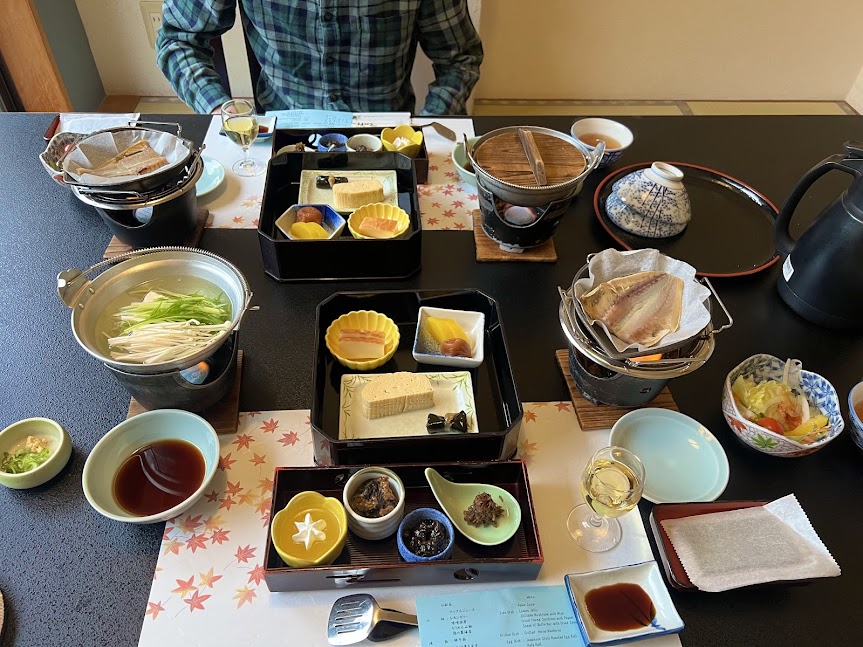
    A traditional Japanese breakfast

    The next morning, we were treated to another multi-course meal. As someone who does not typically eat a large breakfast, I was not able to eat more than half of this meal. It was a lot! Meals are very clearly a big part of the experience of staying at a ryokan. Our breakfast courses included grilled fish, tofu, fruit, rice, and more.

    Is staying at a ryokan worth it?

    I would say that a night or two at a ryokan is worth it if you are interested in having a more traditional Japanese experience. It may not be for everyone, especially those who are drawn to visiting Japan for their modern cities and amenities. For us, a night at a ryokan was a very special experience. We may not do something like this for every trip, but for our honeymoon, it was special and peaceful and wonderful. The main drawback for me was the sleeping arrangements, which I feel very guilty saying because I understand that the futons are traditional and part of Japan’s rich cultural history. With that being said, it wasn’t a HUGE deal, and I was still able to get a reasonable amount of sleep. I just felt like mentioning it because this experience may not be for everyone!

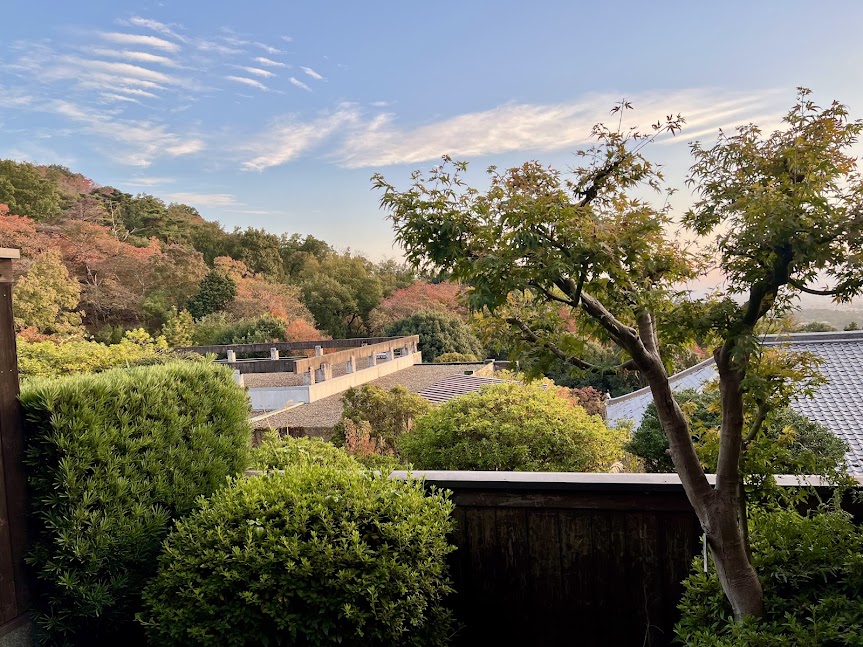
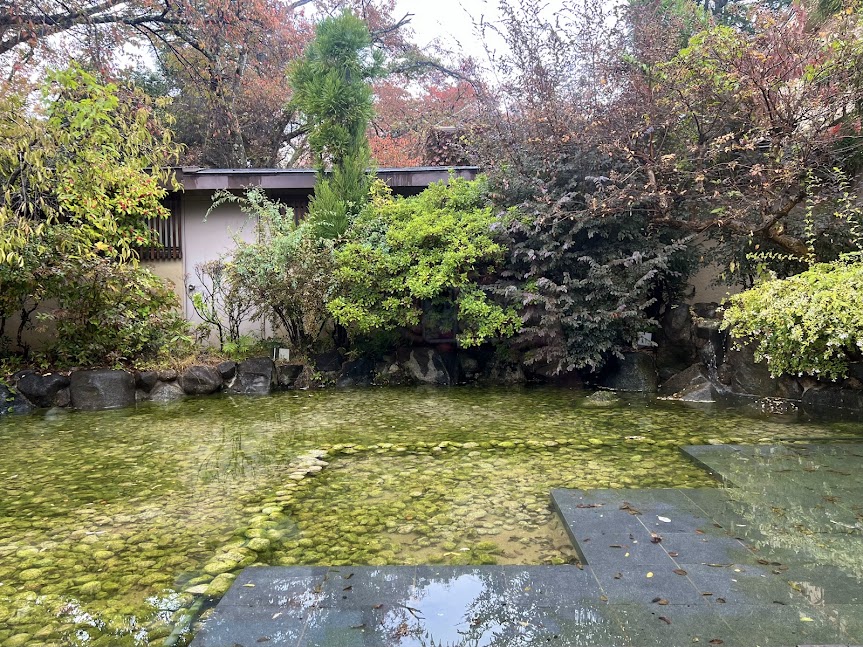
    A beautiful view from the Mikasa ryokan

    In the midst of a packed Japan itinerary, a night at a ryokan will allow you to slow down and reflect on the wonderful experience of traveling and visiting such an amazing country. Let me know if this blog post made you consider staying at one during your upcoming trip!

  • 4 Must-visit Places in Japan for K-pop fans

    4 Must-visit Places in Japan for K-pop fans

    As a longtime K-pop fan, visiting South Korea is high on my bucket list. In fact, I am planning a trip there for early next year! However, I was pleasantly surprised by the amount of K-pop culture and merchandise I came across while visiting Japan. While Japan tends to be known for their anime/video game/otaku culture, K-pop is very popular there as well. Between K-pop stores, Korean restaurants, secondhand shops featuring inexpensive used K-pop albums and more, Japan (and especially Tokyo) turned out to be a fantastic destination for K-pop fans! Here are some of my favorite places in Japan for K-pop lovers.

    1. Shin-Okubo: Tokyo’s Koreatown

    If you only have time for one K-pop related excursion in Tokyo, make it Shin-Okubo.

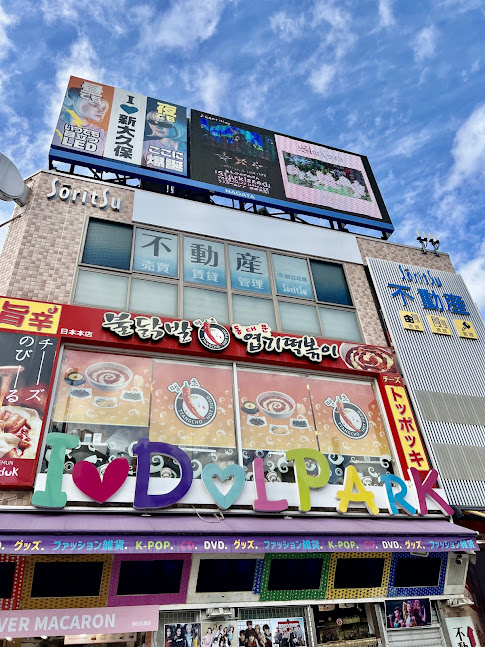
    Idol Park in Shin-Okubo

    Shin-Okubo felt like stepping into a little paradise for lovers of K-pop and Korean food and culture. As soon as I arrived, I could hear K-pop music playing loudly in the streets. I could smell Korean street food. Idols were plastered on billboards and on store fronts. Korean beauty and skincare shops were everywhere you look. I had a great time just wandering around and taking it all in. I got some spicy toppokki with cheese and my husband, Tim, had a savory pancake from a street food vendor.

    Toppokki! While not directly K-pop related, the food in Shin-Okubo is a highlight of the experience. You could easily eat your way through the neighborhood between all of the Korean street foods and cafes.

    In Shin-Okubo, there are several shops, such as Idol Park, selling both official and unofficial merchandise. If you are opposed to unofficial merchandise, do be wary as it is quite prevalent! There are shops selling unofficial DVDs, socks, posters, photobooks, and more. While in one of the shops, I picked up an unofficial Sana photobook.

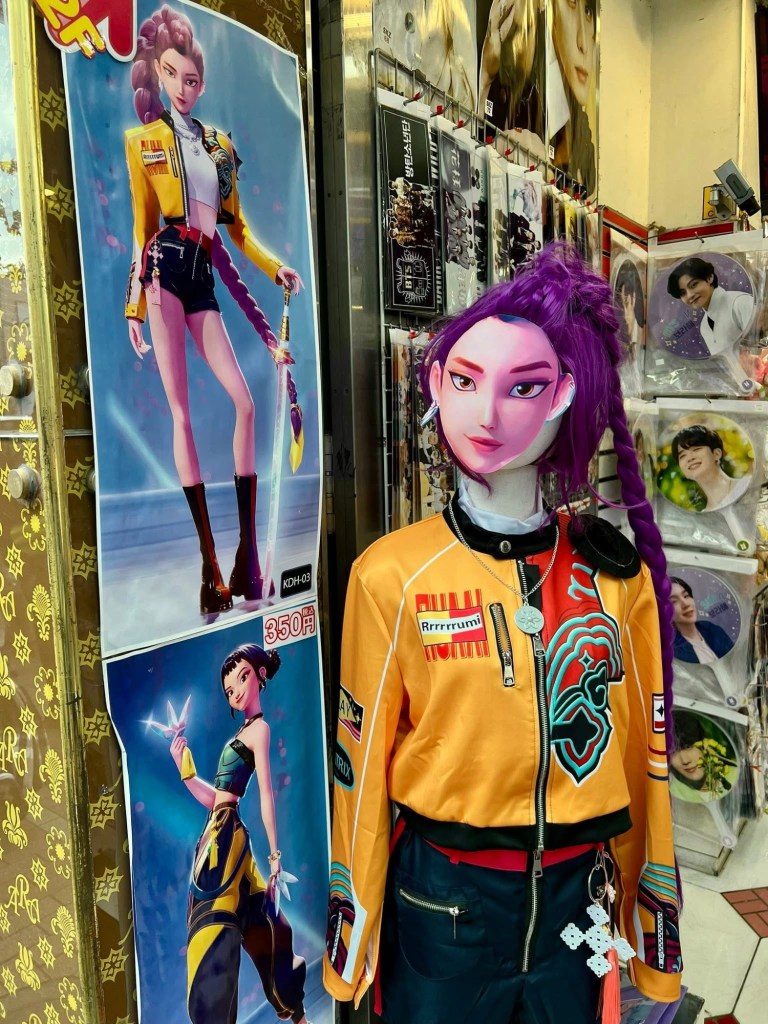
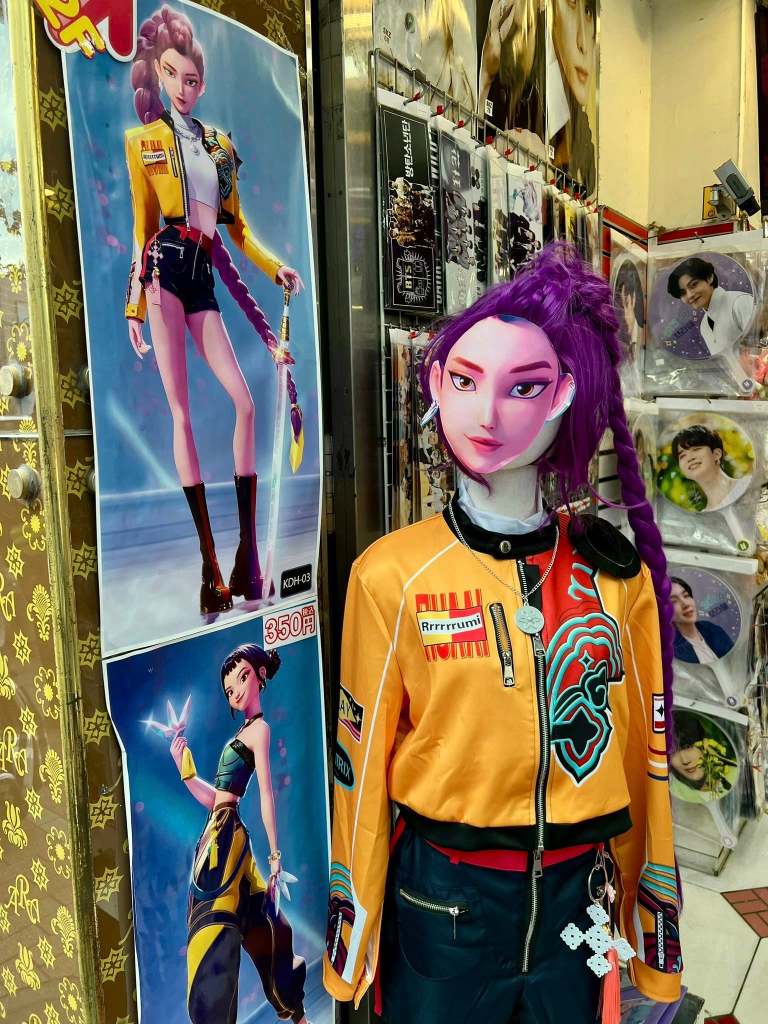
    Lots of K-Pop Demon Hunters merch when I visited!

    For K-pop fans, Shin-Okubo is one of the most exciting places to visit in Tokyo. One of the things that makes it so appealing is how condensed everything is. You can hop from one K-pop shop to the next, grab a Korean corn dog, and be just a minute or two away from your next stop. The atmosphere is energetic and lively, and easily explored on foot.

    2. Tower Records

    K-pop fans (and honestly, music fans in general) visiting Japan should make time to check out Tower Records.

    I visited multiple Tower Records locations during my trip and was very impressed by the amount of space dedicated to K-pop.

    Even if you don’t purchase anything, Tower Records is worth visiting if only to see the scale of Japan’s retail music scene. Tower Records has a tremendous amount of music, both CDs and vinyl records, to look through. As a Swiftie, I was very tempted to get Japanese editions of a couple of her albums! And as far as K-pop goes, you will not be disappointed by their selection.

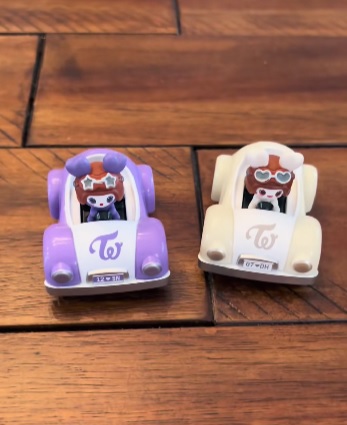
    YMMV, but one of the Tower Records locations I visited even had Twice gachapon machines! I pulled Sana and Dahyun racecar toys ❤

    One thing to keep in mind when visiting Tower Records, however, is the fact that new releases are not any cheaper than if you were purchasing them from online back home. Expect to pay roughly $30 USD for a new album. This is what I paid for a couple of albums, and I even went when the yen wasn’t doing fabulous (fall 2025).

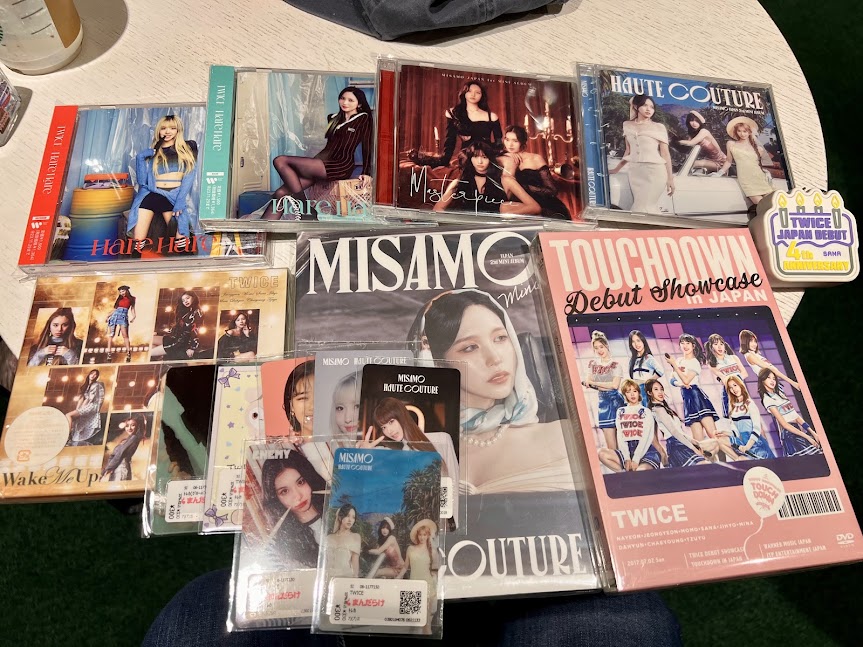
    Another thing that I would like to note about Tower Records is that it can be a great place to buy any Japanese music releases from your favorite idol groups. Twice, for example, has an extensive Japanese catalog, as well as their Japanese subunit MiSaMo. In my experience, it is more of a challenge, often requiring third party shipping services, to acquire these Japanese releases from back home in the States. For some reason, Japanese releases are not as easily accessible for international online purchasing as Korean music releases. So, while you’re in Japan, it could be wise to stock up on some Japanese music releases while you have the opportunity!

    As a fun aside, while visiting a Tower Records in Shinjuku, my husband and I stumbled across a J-pop girl group concert inside the store! The group was called .BPM and they were fantastic! I think any K-pop fan would appreciate this group, even though they are J-pop instead of K-pop. It was a fun little surprise to get to see this show!

    3. Mandarake and other secondhand hobby stores

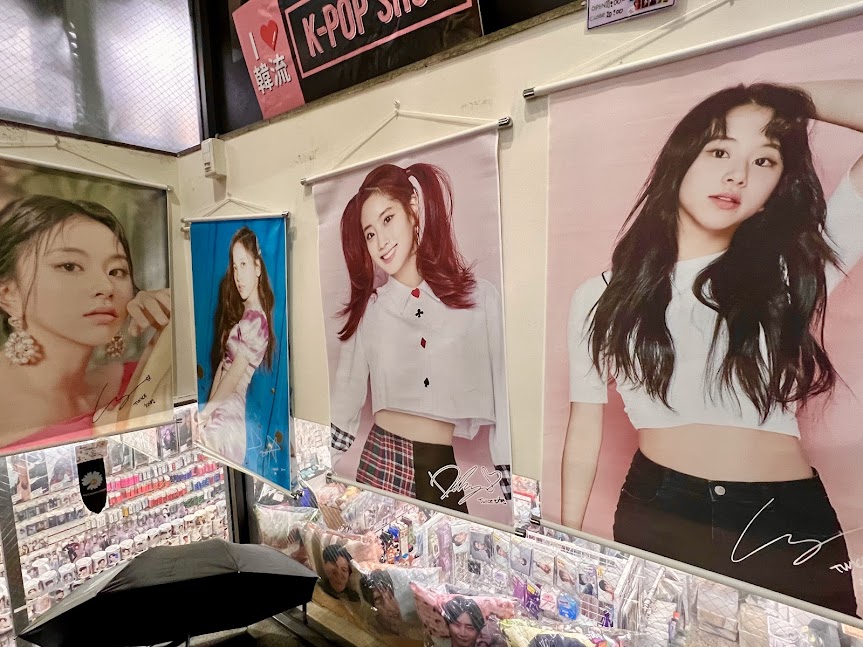
    There was no shortage of preowned Twice goods at many of these shops!

    Many people associate Mandarake with anime goods and collectibles, but K-pop fans shouldn’t overlook these stores! While exploring Shibuya, I stopped into Mandarake and left with a huge K-pop haul. It was one of the most rewarding stops on my trip as far as K-pop collecting is concerned. And you truly cannot beat the prices at secondhand hobby stores. I was paying 300, 400 yen for some of these albums! The main drawback being, of course, the lack of photocards and other inclusions. Not to worry, though, because these stores often have photocard singles by the hundreds, if not thousands, to rifle through! I actually got a small binder to store the PCs and other K-pop paper goods I got in the hobby stores I visited.

    Can you tell I’m a ONCE?

    You cannot beat the prices at Mandarake and similar stores. As someone who lives in the United States, I am quite certain that there is nothing like it, price OR selection wise, anywhere at all in the US. Other than Mandarake, be sure to visit Book-Off stores, K-Books in Ikebukuro, and Surugaya in Akihabara.

    4. Korean Restaurants

    For many K-pop fans, our love of Korean music can easily lead to an appreciation of Korean food and culture in general.

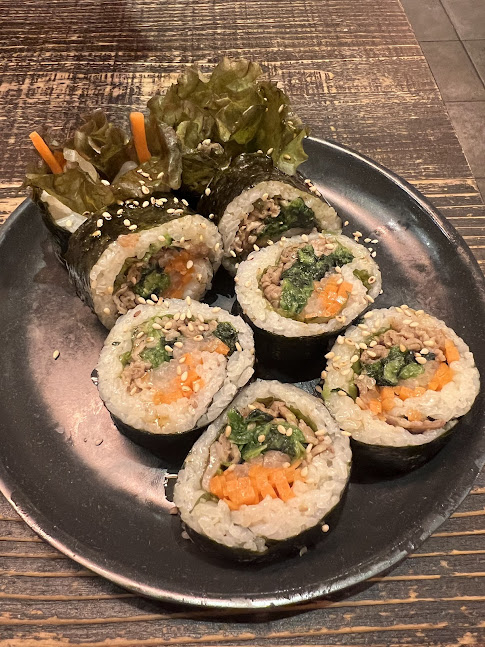
    Have you ever been curious to try the Korean foods that you often hear your favorite idols mention? Kimbap, ramyeon, Korean BBQ, Korean fried chicken and more are generally quite easy to find in Japan’s larger cities! I would suggest using Apple or Google maps and finding a sit-down Korean restaurant to eat at.

    During one of our nights in Kyoto, my husband and I ate at a Korean restaurant and bar called Kokkio, located in the Porta dining hall. There, we ate house-made fresh kimchi, spicy fried chicken, shellfish, and cheese dakgalbi, which was the highlight of that dinner for me. Cheese dakgalbi is a dish featuring pieces of chicken marinated in a spicy and somewhat sweet gochujang-based sauce and topped with mozzarella cheese. This is one Korean dish that I had not yet been able to try until I got to Japan, as it has not been available at any of the Korean restaurants I’ve visited in the States. It’s very comforting and delicious, and I recommend it to anyone who loves cheese and a little spice!

    My husband and I still talk about the kimchi we ate at Kokkio!

    Final Thoughts

    Before visiting Japan, I knew that there would be some K-pop and general Korean culture to immerse myself in, but I didn’t anticipate just how much K-pop I would casually encounter throughout the trip. In one train station, there was an enormous billboard of Sana from Twice promoting for one of her brand deals. It wasn’t uncommon to see pictures of famous idols modeling makeup products at department stores. While wandering around Tokyo, I saw many billboards showcasing Blackpink’s Asahi Super Dry promotion.

    It is so cool to see K-pop’s influence on Japanese pop culture, even when you’re not actively seeking it out. Idols are frequently used in advertising campaigns across Japan, and it’s a fun surprise to randomly see an idol or a group that you’re a fan of while you’re out and about during your trip to Japan.

    Between Shin-Okubo, Tower Records, Mandarake, Book-Off, and all of the wonderful Korean foods I got to indulge in, Japan turned out to be a great destination for a K-pop fan. Of course, K-pop was far from the main event in my trip, and if you are looking to take some kind of K-pop related pilgrimage, your best bet would be to visit South Korea. However, my little K-pop side quests in Japan were so much fun and so memorable. If you are a K-pop fan visiting Japan, you do not want to miss out on some of these shops and experiences.

    Thank you for reading, and be sure to keep an eye out for more Japan travel content!